How to create a vertical garden using repurposed plastic bottles and natural fibers
Introduction
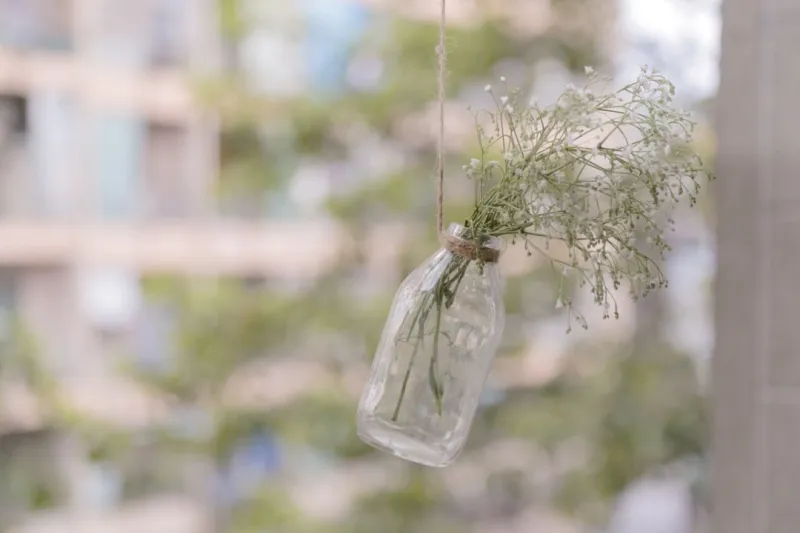
Vertical gardens have gained immense popularity in recent years due to their aesthetic appeal and practicality, especially in urban settings with limited space. By turning empty plastic bottles into a lush vertical garden, not only do you reduce waste, but you also create a stunning piece of decor that can enhance your living space.
This DIY project is not just an eco-friendly initiative; it's also a rewarding way to connect with nature. Imagine stepping onto your balcony or patio to a vibrant wall of greenery, right there within your reach. The benefits are multifaceted—reducing plastic waste, enhancing air quality, and growing your herbs, flowers, or succulents in a limited area. Moreover, creating this garden can be a fun family project, engaging both kids and adults in sustainable practices.
In this guide, we'll walk you through the steps needed to create your vertical garden, making it suitable for beginners—even those with minimal DIY experience. The project requires some basic tools and readily available materials, and it’s an opportunity to express your creativity while making a positive environmental impact.
Tools Needed
1. Utility Knife: Used for cutting the plastic bottles to create the desired planting pockets. Ensure the blade is sharp for clean cuts to avoid jagged edges.
2. Drill or Screwdriver: To make drainage holes in the bottle and possibly attach the garden to a wall or frame. A drill can make the process quicker, but a manual screwdriver can work too.
3. Scissors: For trimming any excess plastic or refining bottle edges after cutting.
4. Measuring Tape: Essential if you want precision when measuring spacing for your vertical garden or the arrangement of bottles.
5. Marker or Pen: Useful for marking cutting lines on the bottles before cutting to ensure straight and accurate cuts.
6. Hanging Hardware: Includes hooks, screws, or brackets that will help mount your garden securely to a wall or frame.
7. Watering Can: Helpful to water your plants once you’ve planted them. Having a long spout can aid in reaching all the plants without hassle.
8. Gloves: Protect your hands from sharp edges of plastic and dirt while handling the bottles and soil.
Materials
1. Plastic Bottles: 10-12 two-liter bottles; this can vary based on the size of your vertical garden. Aim for bottles that are clean and transparent for visibility of roots.
2. Natural Fiber: 2-3 yards of jute twine or burlap; these will serve as a natural buffer and planters within the bottles.
3. Potting Soil: 3-4 quarts; make sure you choose a high-quality mix to nourish your plants.
4. Plants/Seeds: 10-20 plants, or 1-2 packets of seeds (like herbs, succulents, or flowers) suitable for vertical gardens.
5. Watering System (Optional): Drip irrigation tubing to facilitate watering; consider this if you want a more automated watering process.
6. Paint (Optional): Non-toxic spray paint or acrylic paint for decorating your bottles to fit your aesthetic.
7. Sealant (Optional): Waterproof glue or silicone sealant may be needed if you want to ensure that the bottles are fully watertight.
8. Protective Mesh or Fabric: 1-2 square feet; this can be used if planting directly in the bottle obtains adequate drainage.
Step 1: Gather Your Bottles
What: Start by collecting used plastic bottles. It's crucial to gather a sufficient number of bottles to create a size for your vertical garden that fits your space.
How: Rinse each bottle with warm water to remove any residue. Cut both ends of the bottles to create vertical openings for planting. This not only allows you to plant but provides adequate drainage.
Tips: You might want to collect different sizes of bottles for a unique look. A mixture of sizes can also create a more dynamic vertical structure.
Safety: When cutting, be cautious with the utility knife. Always cut away from yourself and consider wearing protective gloves.
Step 2: Prepare Your Work Area
What: Preparing your workspace is an essential step as it will make the rest of the project more manageable.
How: Find a clean, flat surface such as a table or floor space in your garage or your garden that's well-ventilated. Spread out newspaper or a drop cloth to catch any soil spills or debris that might occur.
Tips: Work in the shade if you’re doing this during the summer. The heat can make the plastic very pliable, and you risk cutting yourself if the knife slips.
Safety: Keep sharp tools out of the reach of children or pets while you’re working.
Step 3: Create Drainage Holes
What: Drainage is necessary for your plants' health, so creating holes in your bottles is a must.
How: Use your drill or screwdriver to make several small holes at the bottom of each bottle. If you don’t have a drill, a heavy duty nail and a hammer can work as well. Be sure the holes are spaced out well enough to allow excess water to escape.
Tips: If you want to reduce soil loss through the holes, line the bottom of each bottle with a small piece of mesh or fabric.
Safety: Again, be careful with sharp tools and ensure to hold the bottle securely while making holes.
Step 4: Design Your Layout
What: Before securing anything, it's crucial to decide how you want your vertical garden to look.
How: Lay your bottles out in the pattern you envision. You might choose to have them staggered, aligned, or in a specific shape.
Tips: Consider plant growth. Taller plants may need to be positioned higher up and shorter plants below.
Safety: Ensure there’s adequate support behind your garden to hold the weight of the full bottles of soil and plants.
Step 5: Secure the Natural Fiber
What: Natural fiber helps retain moisture and provides a growing medium for your plants.
How: Cut strips of burlap or jute twine that are long enough to line the insides of the bottles. Use hot glue or waterproof sealant to attach it to one side of the bottle, ensuring the fiber stays in place.
Tips: Adding a bit of soil at the bottom of the bottle before lining it with fiber can help keep the fiber from falling into the drainage holes.
Safety: When using glue or sealants, work in a space with ventilation to avoid fume inhalation.
Step 6: Fill With Soil
What: Filling the bottles with potting soil is a crucial step to prepare it for planting.
How: Carefully pour potting soil into each bottle through the opening. Leave about two inches of space from the top to accommodate the plants.
Tips: Mix some organic compost with the soil to enhance its nutritional value, especially if growing edible plants.
Safety: Wearing gloves during this step can help protect your hands from dirt and soil-borne pathogens.
Step 7: Plant Your Seeds or Plants
What: Now it’s time to actually add life to your vertical garden.
How: Depending on the types of plants you’re using, follow the instructions for planting depths. For small plants, just create a small hole in the soil and place the plant inside, then cover firm with soil. If using seeds, refer to the seed packet for planting instructions.
Tips: Be gentle when placing plants so that you don’t damage their roots.
Safety: Make sure to wash your hands after planting, especially if you used any chemicals or fertilizers.
Step 8: Suspend the Bottles
What: With your bottles filled, it’s time to hang them vertically.
How: Securely attach a hook or a bracket to the wall, making sure that it’s rated for the weight of your garden. Hang each bottle carefully, ensuring they are stable.
Tips: To create a uniform look, use a level while hanging the bottles to align everything evenly.
Safety: Avoid lengthy lifting; if needed, ask someone for help to hold or adjust your vertically hung bottles.
Step 9: Watering and Maintenance
What: The plants need water, and maintenance is crucial for keeping your vertical garden healthy.
How: Use your watering can to gently water from the top, ensuring moisture reaches all levels of the garden. If you decided on drip irrigation, set it up according to the instructions.
Tips: Water in the early morning or late afternoon to avoid evaporation.
Safety: Be cautious if reaching to water the highest bottles, and if necessary, use a ladder or step stool.
Step 10: Embrace the Growing Process
What: Now that your vertical garden is established, it’s time to enjoy the beauty it brings.
How: Monitor your plants regularly, checking for signs of overwatering or pest infestations.
Tips: Adjust watering based on weather conditions—hot days may require more frequent watering, while cooler days may require less.
Safety: While tending to your garden, it’s wise to keep gardening tools safely stored and clear out any debris to avoid tripping hazards.
Troubleshooting
Even with the best intentions, challenges may arise while cultivating your vertical garden. Here are some common issues and their fixes:
1. Overwatering: If you notice yellowing leaves, this might indicate overwatered plants. Fix: Check drainage holes and adjust your watering schedule. Allow the soil to dry out completely before the next watering session.
2. Dry Spots or Wilting Plants: Insufficient water can lead to dry spots in your garden. Fix: Monitor soil moisture regularly. Consider adjusting your watering method, perhaps introducing a drip irrigation system to ensure even watering.
3. Pest Problems: Aphids or caterpillars may invade your plants. Fix: Introduce natural predators like ladybugs or apply an organic pesticide, ensuring it’s safe for the type of plants you have.
4. Insufficient Light: Plants may not thrive without enough sunlight. Fix: Rotate or relocate the garden to a sunnier area. Consider using grow lights if indoors.
5. Plant Growth Issues: If your plants aren’t thriving as expected, it may be due to lack of nutrients. Fix: Fertilize the soil with organic fertilizer or compost for better growth.
Conclusion
Creating a vertical garden from repurposed plastic bottles not only enhances your living space but also showcases your commitment to sustainability. This project encourages creativity and resourcefulness while offering a platform for growth, literally and figuratively.
You can explore variations by painting the bottles in vibrant colors or adding decorative elements—transforming them into true pieces of art. Regular maintenance is key to keeping your vertical garden thriving; make sure to water, prune, and even replant seasonally for optimal health.
So why wait? Gather your materials, roll up your sleeves, and dive into this engaging DIY project today!