How to create a vertical garden using repurposed plastic bottles and a simple drip irrigation system
Introduction
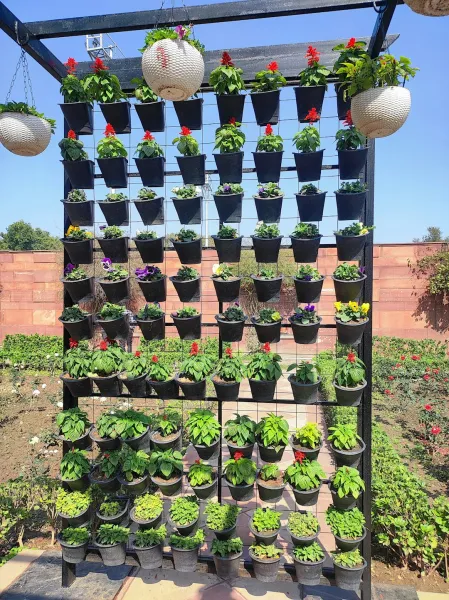
In today’s world, finding innovative ways to utilize waste materials is vital not only for our environment but also for our gardens. One such method is creating a vertical garden using repurposed plastic bottles. This project is more than just a creative way to recycle; it provides an efficient solution for growing herbs, flowers, or even small vegetables in limited spaces. As urban areas grow denser, many individuals find themselves lacking outdoor garden space, yet yearning for a touch of greenery. With a vertical garden, you can transform any wall, patio, or balcony into a lush oasis without requiring too much square footage.
Benefits of Vertical Gardens
1. Space Efficiency: Vertical gardens can be established in areas where you would never think of gardening, such as walls, fences, or balconies. 2. Aesthetic Appeal: They naturally beautify any space, making your home more inviting and colorful. 3. Sustainability: Repurposing materials like plastic bottles diverts waste from landfills and encourages eco-friendly practices. 4. Easier Maintenance: With a vertical garden, bending or kneeling to plant or tend to your greens is minimized, making the process more comfortable. 5. Improved Air Quality: Plants absorb CO2 and produce oxygen, enhancing the quality of the air in your surroundings.
Creating a vertical garden is suitable for beginners and requires no advanced gardening skills. However, it involves some crafting and assembly, making it a fantastic hands-on project for anyone interested in sustainable living.
---
Tools Needed
1. Scissors or Utility Knife: For cutting plastic bottles to create planters. Ensure they are sharp for ease and safety.
2. Drill with Drill Bits: To create drainage and watering holes. A power drill saves time and effort, especially with a large number of bottles.
3. Ruler or Measuring Tape: To measure the height and position for mounting bottles accurately.
4. Hacksaw: Useful for cutting larger bottles or thicker plastic materials while ensuring clean edges.
5. Pencil or Marker: For marking cut lines on the bottles or planning your layout on a vertical surface.
6. Nails or Screws/Anchors: For securing your vertical garden system onto walls or fences. Make sure they are suitable for the weight of the full bottles.
7. Wire or Twine: Ideal for supporting the structure of your garden. It helps to ensure it stays secure even as plants grow.
8. Funnel (optional): A fun addition for filling the bottles with soil easily and with minimal mess.
---
Materials
1. Plastic Bottles: 10–15 bottles, preferably 1-2 liter size. Ensure they are clean and dry.
2. Nylon Rope or Heavy-Duty Twine: 10–20 feet for hanging the bottles and creating plant holding structures.
3. Soil: 1-2 bags of potting soil designed for container gardening. Look for moisture-retaining properties.
4. Plants/Seeds: Choose small plants like herbs (basil, mint), succulents, or flowering plants; around 10-15 plants should suffice.
5. Drip Irrigation Tubing: 10-20 feet to set up a simple irrigation system.
6. Connectors or Emitters: 5-10 for connecting the drip irrigation to each bottle (optional but highly recommended for efficiency).
7. Watering Can or Hose: For initial watering and setup of the irrigation system.
8. Plastic or Metal Brackets (optional): For enhancing the structure stability, particularly when adding several tiers of bottles.
---
Steps to Create Your Vertical Garden
### Step 1: Gather Your Plastic Bottles
What: Collect your plastic bottles, ensuring they're all of similar size for uniformity.
How: Rinse them thoroughly to remove any residues or labels that can attract pests or breed bacteria. Cut off the bottoms of each bottle, leaving about a quarter to a third remaining, creating a planter effect.
Tips: The tops can be saved for other projects or even used as small greenhouses by flipping them over onto the base side.
Safety: Be careful when using scissors or a utility knife. Cut away from your body, and consider wearing gloves to protect hands from sharp edges.
---
### Step 2: Prepare Your Wall for Mounting
What: Choose a wall that receives adequate sunlight, ideally 6-8 hours a day.
How: Use a ruler to measure and mark where each bottle will be mounted. Space them out according to the plant's growth needs (usually 6-8 inches apart).
Tips: Consider the direction of water drainage; ideally, keep the bottles slanted slightly downward to facilitate draining.
Safety: When using a drill, ensure there is no electrical wiring or plumbing behind the wall. Use a stud finder if needed.
---
### Step 3: Create Drainage Holes
What: Prevent water overflow and root rot by ensuring each bottle has adequate drainage.
How: Use a drill with an appropriate-sized bit to create holes near the bottom of each bottle. You can make several small holes rather than one large opening for better drainage.
Tips: Ensure holes are spaced well apart to allow for proper drainage and prevent soil from spilling through.
Safety: Wear safety goggles to protect against plastic shards and ensure your workspace is decluttered to avoid accidents.
---
### Step 4: Set Up a Drip Irrigation System
What: A simple drip irrigation system can save time and ensure consistent moisture for your plants.
How: Measure out your drip irrigation tubing to run along the top of the mounted bottles, cutting it to length. Use connectors or emitters to attach tubes leading to each bottle. Ensure they are placed effectively to provide even water distribution.
Tips: Set up a reservoir at the top of your vertical garden to easily fill the irrigation system without disassembling it.
Safety: Ensure tubes are securely connected to prevent leaks, which could dampen your wall or surrounding areas.
---
### Step 5: Fill Your Bottles with Soil
What: Now it’s time to prepare your bottles for planting.
How: Use a funnel to pour potting soil into the bottles, filling them to about an inch from the top. Add in slow-release fertilizer if desired for extra nutrients.
Tips: Loosen the soil lightly with your fingers to aerate it before planting. This will help roots establish effectively.
Safety: Be mindful of sharp edges created by cutting bottles.
---
### Step 6: Plant Seeds or Seedlings
What: It's time to introduce plants into their new homes.
How: Plant seedlings or seeds into the filled bottles, making sure to follow the instructions for depth and spacing. For seeds, a couple per bottle may be ideal.
Tips: Label each bottle if you’re planting different varieties, so you can easily keep track of care requirements.
Safety: Use your hands or a small garden trowel for planting to minimize the risk of soil spillage.
---
### Step 7: Secure the Bottles to the Wall
What: Once planted, it's essential to secure each bottle to the designated wall.
How: Position each bottle against the wall at your marked points. Use nails, screws, or brackets to hold them firmly in place. This might require more than one person for a large configuration—ask for help to keep everything aligned.
Tips: Begin from the bottom and work your way up. This ensures that each bottle rests on the one below without causing shifts.
Safety: Avoid standing on unstable surfaces when reaching high spots. A step ladder can help reach upper bottles safely.
---
### Step 8: Set Up the Watering System
What: Now ensure that your plants receive the water they need.
How: Connect your water source (such as a watering can or hose) to the top of the irrigation system. Turn it on gently to initiate water flow and check for proper distribution across your bottles.
Tips: Gradually adjust the rate of water flow through emitters to ensure your plants are adequately watered but not oversaturated.
Safety: Avoid using electric devices around water. Keep any electrical connections, especially from the irrigation system, clear of water.
---
### Step 9: Monitor and Adjust Care
What: After setup, you’ll need to monitor your garden.
How: Periodically check moisture levels in each bottle; if the soil feels dry, increase the water flow or adjust irrigation timings.
Tips: Rotate plants regularly if they begin leaning toward the light source—this encourages even growth.
Safety: Keep an eye on the walls around your bottles for any dampness.
---
### Step 10: Enjoy and Maintain Your Vertical Garden
What: Your garden should now be flourishing, but it does require some ongoing attention.
How: Engage in regular activities such as pruning and harvesting as needed. Fertilize your plants monthly according to plant needs.
Tips: Keep a gardening journal to track growth and make notes for future improvements or plant choices!
Safety: Ensure you protect your hands when pruning or harvesting plants with sharp tools or edges.
---
Troubleshooting
1. Plants Wilting or Yellowing: This could indicate either overwatering or underwatering. Check the moisture of the soil with your finger. If it’s soggy, reduce irrigation; if it’s dry, increase water.
2. Water Not Reaching All Bottles: Ensure all hoses and emitters are clear. Look for blockages and adjust the flow settings as needed.
3. Drainage Issues: If water is pooling at the bottom of the bottles, check that drainage holes are not clogged and reopen them if necessary.
4. Plants Are Too Small or Struggling to Grow: This may be due to inadequate sunlight or nutrients. Make sure your plants are receiving adequate light and consider adding organic fertilizer.
5. Pests Infestation: Check for pests like aphids or mites. Remove them manually and apply insecticidal soap or neem oil as a preventative measure.
---
Conclusion
Creating a vertical garden with repurposed plastic bottles is not only an eco-friendly project but also a delightful way to reconnect with nature while making efficient use of space. You’ve taken steps towards a sustainable lifestyle while also enhancing the beauty of your environment. Remember to explore various plant types and configurations; experimenting is half the fun! Seasonal adjustments and plant care will keep your garden vibrant year-round.
As you maintain and care for your vertical garden, consider integrating additional features like decorative elements or composting systems to further enhance its functionality and aesthetic appeal. Your journey into gardening can be endlessly modified to fit your creativity and seasonal changes.
Embrace this rewarding hobby, and enjoy your piece of green paradise!