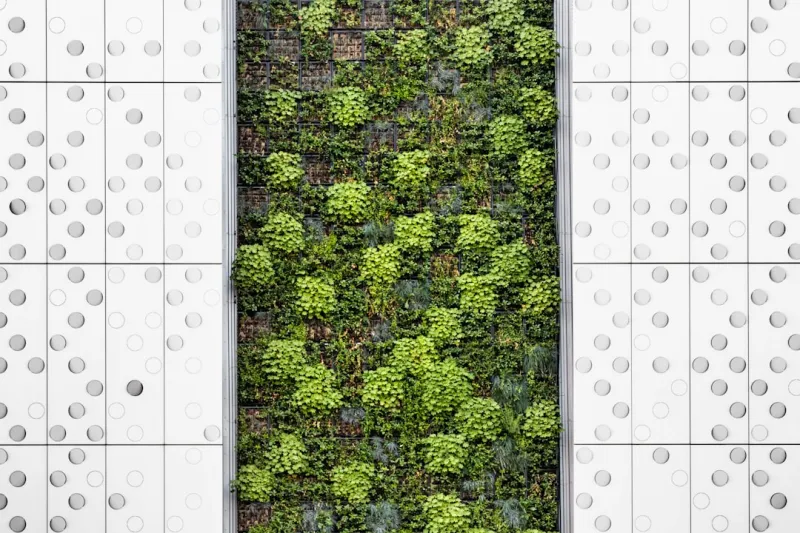
How to create a vertical garden using repurposed pallets and vertical planters
Setup & Materials
By Alex • November 14, 2025 • DIY Guide
Tools Needed
Creating a vertical garden using repurposed pallets and vertical planters can be a rewarding project that transforms your outdoor or indoor space. Below is a list of essential tools you will need for this project, along with brief descriptions of their usefulness.
1. Saw (Hand saw or power saw)
Used for cutting pallets to size, a saw will give you flexibility in designing your vertical garden. A power saw will make the job quicker, while a hand saw might be easier to handle for small projects.
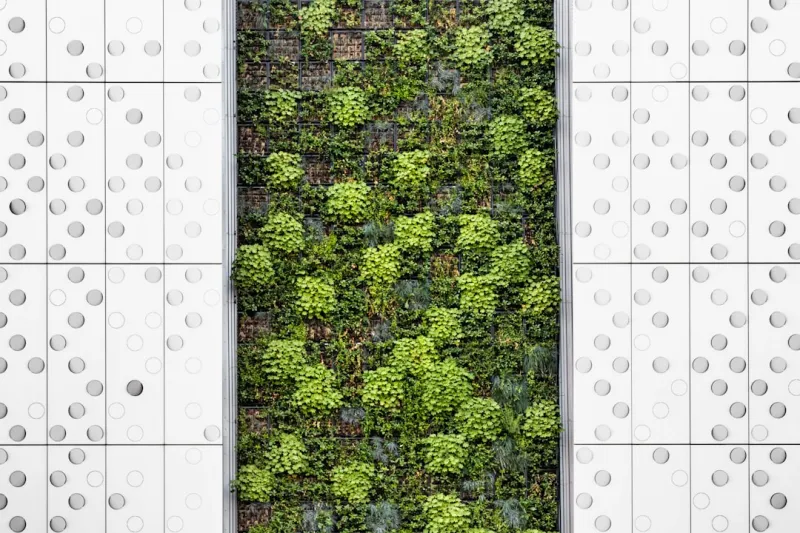
Final Result
2. Screwdriver or Drill
Essential for assembling and securing various components of your vertical garden. A drill with screw bits can speed up the process, allowing for easy attachment of planters and brackets.
3. Sandpaper or Sander
Important for smoothing rough edges of the pallets to ensure safety and improve aesthetics. You don’t want splinters ruining your gardening experience!
4. Garden Trowel
A small shovel specially designed for digging in tight spots, this tool is perfect for transferring soil into your vertical planters or adjusting plants.
5. Measuring Tape
Crucial for measuring the dimensions of your pallets and planters, ensuring that everything fits as expected. It's a must-have for planning layouts and ensuring uniformity.
6. Level
To ensure that your vertical garden is straight and secure when mounted, a level will help you avoid crooked arrangements, which can affect the stability and drainage of your plants.
7. Gardening Gloves
Protect your hands while working with wood, soil, and plant materials. They also provide a better grip when handling tools and materials.
8. Staple Gun or Garden Twine
A staple gun is useful for securely attaching fabric or mesh to the back of pallets to contain soil. Garden twine can be used to create a trellis for climbing plants.
Materials
Here’s a list of materials you will need to create your vertical garden, with suggested quantities. Depending on the size of your project, you may want to adjust quantities accordingly.
1. Repurposed Pallets (2-4 pallets)
These will serve as the structural base for your garden. Look for pallets that are clean and free of chemicals.
2. Vertical Planters (4-8 planters)
Consider buying or repurposing containers that can attach to your pallets.
3. Potting Soil (1-3 bags)
Quality potting mix is important as it retains moisture and provides essential nutrients for your plants.
4. Plants or Seeds (6-12 plant varieties)
Choose plants that thrive in vertical settings, such as herbs, flowers, or small vegetables.
5. Geotextile Fabric or Landscape Fabric (1 roll)
Used to line your pallets, allowing water drainage while retaining soil.
6. Wood Screws or Nails (1 box)
For securing the pallets and planters together; ensure they are weather-resistant if the garden is placed outdoors.
7. Wood Sealer (optional)
If you want to prolong the life of your pallets outdoors, applying a wood sealer can help protect them from the elements.
8. Zip Ties (optional)
Useful for securing planters, especially if you’re using lightweight materials.
9. Plant Labels (optional)
For keeping track of different plants, especially if you're planting various herbs or vegetables.
10. Hose or Watering Can
To keep your plants hydrated once the garden is complete.
Introduction
Creating a vertical garden using repurposed pallets and vertical planters is not just an eco-friendly project; it’s an innovative way to optimize space and bring greenery into your life. With urban living conditions tightening and outdoor spaces shrinking, a vertical garden allows plant enthusiasts—even those with limited horizontal space—to indulge in gardening. This form of gardening is visually appealing, making it an excellent addition to patios, balconies, and backyards. Furthermore, vertical gardens can improve air quality, reduce humidity, and even lower energy costs by providing shade and insulation.
This project requires only moderate DIY skills, making it accessible for beginners. You don't need to be an expert gardener or a seasoned woodworker to create a stunning vertical garden. The satisfying aspect of using repurposed pallets is that you not only save money but also contribute to sustainability practices by reducing waste. Plus, cultivating your own herbs, vegetables, or flowers has numerous benefits, from enhancing your cooking to improving your mood through direct interaction with nature.
Are you ready to transform your space? Let’s dive into the step-by-step process of creating your vertical garden!
Step-by-Step Instructions
### Step 1: Choose the Right Location
Before you start building, it’s important to find the ideal spot for your vertical garden. Consider the amount of sunlight your chosen location receives, as most plants need at least six hours of sunlight daily. Observe the area for wind exposure and accessibility for watering. Look for a flat wall or an outdoor space that could use some greenery. Make sure you also have easy access to your garden for maintenance purposes.
Tip:If your space receives less than ideal sunlight, consider planting shade-tolerant varieties such as ferns or shade-loving herbs like mint and lemon balm.
### Step 2: Gather and Prepare Your Pallets
Next, gather your repurposed pallets. Inspect them for any damage or rot that might compromise their structure. Once you’ve selected the pallets, you need to clean them thoroughly. Remove any dirt, dust, or debris, and sand down any rough edges to prevent splinters. If you want a polished look, consider applying a wood sealer or paint.
Tip:Make sure the pallets are marked with “HT” (heat treated), meaning they haven’t been treated with harmful chemicals.
### Step 3: Create a Design Layout
Lay out your pallets in your chosen location before securing them. This will help you visualize the setup and make adjustments if necessary. Think about whether you want a single stack of pallets or multiple arrangements. Additionally, experiment with the size and placement of your vertical planters along the pallets.
Tip:Before starting, sketch your layout on a notepad to have a clear picture of where everything will go. This will minimize mistakes during assembly.
### Step 4: Attach the Geotextile Fabric
Once your layout is finalized, it’s time to line the pallets with geotextile fabric. Cut the fabric to fit the back of the pallet, wrapping it around the sides. This will act as a barrier to hold in soil while allowing water to drain. Secure the fabric to the pallet using a staple gun or nails, ensuring it’s tight and secure.
Tip:Make sure there’s enough slack at the top of the fabric to fold over the soil later, creating a pocket that helps retain moisture.
### Step 5: Assemble Planters
After lining the pallets, it’s time to attach your planters. Use wood screws or zip ties to secure your vertical planters onto the pallets. Position them at various heights for a more dynamic look. If you prefer, you could also create additional planter boxes out of spare wood or use ready-made containers that fit.
Tip:Consider using hanging planters with drainage holes that can easily be removed and replaced or can be adjusted as your plants grow.
### Step 6: Fill with Potting Soil
With the planters secured in place, fill them with high-quality potting soil. Depending on the plants you’ve chosen, the type of potting mix may vary, but general potting soil works well for most herbs and flowers. Fill each planter almost to the top, leaving a bit of space to prevent spilling when watering.
Tip:Consider mixing in compost or slow-release fertilizer into the potting soil for added nutrients that will benefit your plants over time.
### Step 7: Plant Your Choices
Now comes the fun part: planting! Select plants that will thrive in your vertical garden setup. Herbs like basil, parsley, and chives are great for culinary uses and grow well in planters. If you're using annuals, consider colorful flowers for aesthetic appeal. Space your plants according to their mature size and adjust based on any climbing plants or cascading vines you may want to add.
Tip:Feel free to use smaller pots for individual plants, allowing for easier management. Additionally, cluster plants with similar care requirements together for simplicity.
### Step 8: Water and Maintenance
After planting, give your vertical garden a good watering. Ensure all plants receive adequate moisture but avoid over-saturating, as this can cause root rot. Moving forward, establish a watering schedule based on the plant types you’ve chosen. Regularly check for dry soil and adjust your watering routine accordingly, especially during hotter months.
Tip:Use a watering can with a spout to limit the amount of water you pour into each planter, soaking the soil without creating a mess.
### Step 9: Provide Support for Climbing Plants
If you have included climbing plants in your vertical garden, you’ll need to provide them with proper support. Attach trellis or garden twine vertically alongside your wood structure. This will guide your plants as they grow, allowing them to reach new heights and maximizing space.
Tip:Maintain regular trimming of climbing plants to keep them in check and promote a bushy appearance.
### Step 10: Regular Check-Ups and Adjustments
A vertical garden, like any garden, requires ongoing care. Regularly inspect your plants for signs of pests or disease. Deadhead flowers and prune herbs to encourage new growth. You may also need to replace any plants that didn’t thrive, make adjustments to watering schedules, or switch out plants seasonally.
Tip:Keep a gardening journal to track your plant growth, changes, and successes. This will be invaluable for future gardening projects.
Troubleshooting
While creating and maintaining a vertical garden can be highly rewarding, you may encounter some common issues. Here are five pitfalls along with strategies to overcome them.
1. OverwateringProblem: Plants with droopy leaves, yellowing, or root rot usually indicate overwatering. Fix: Check the moisture level of the soil; if it’s overly damp, let it dry before watering again. Adjust your watering schedule moving forward.
2. UnderwateringProblem: Dried out or wilted plants signal a lack of moisture. Fix: Assess the soil moisture and increase your watering frequency, particularly during hot weather.
3. Insufficient SunlightProblem: Plants may become leggy or stop growing if they aren’t receiving enough sunlight. Fix: Evaluate the location of your vertical garden and consider moving it to a sunnier spot or using grow lights indoors.
4. Pests or DiseasesProblem: You might notice discoloration or tiny bugs on leaves. Fix: Inspect your plants regularly, treating minor infestations with insecticidal soap or neem oil. Remove infected leaves immediately.
5. Falling PlantersProblem: Securely attached planters may still fall if they are overcrowded or overloaded. Fix: Ensure that each planter’s weight is manageable, and consider using heavier-duty attachments or reinforcements.
Conclusion
In summary, creating a vertical garden using repurposed pallets and vertical planters is an engaging and eco-friendly project that can breathe life into your home or outdoor spaces. You now have the knowledge to transform your environment while enjoying the benefits of gardening, even in limited spaces. Remember to experiment with different layouts, types of plants, and aesthetics to make your garden genuinely unique.
Maintaining your vertical garden requires regular care, but the beauty and functionality it adds to your space are well worth the effort. As you grow more experienced, you may even consider experimenting with hydroponic systems or different arrangements to expand your gardening repertoire.
Enjoy your gardening adventure, and remember that each plant you nurture is a step towards a greener world!