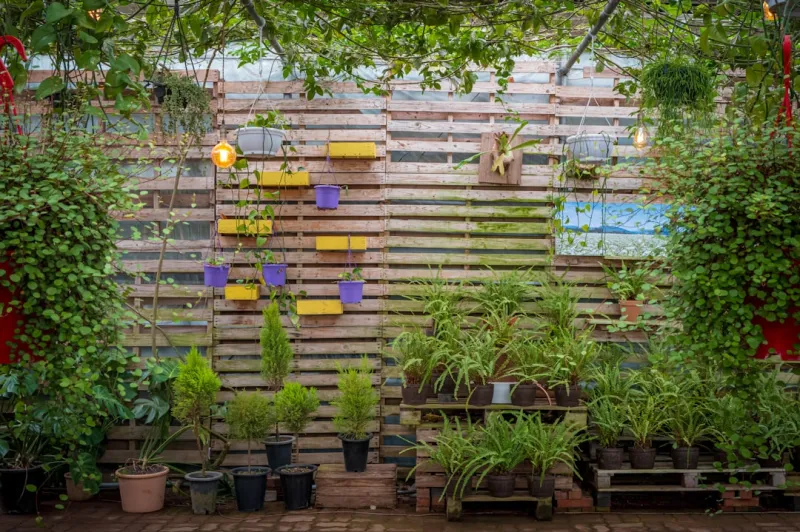
How to create a vertical garden using repurposed pallets and sustainable materials
Setup & Materials
By Alex • November 13, 2025 • DIY Guide
Vertical gardening has surged in popularity in recent years and for good reason. Not only does it help maximize space in often crowded urban environments, but it also allows individuals to grow their own food, contribute to sustainability, and enhance their home’s aesthetic appeal. Utilizing repurposed pallets for this project significantly reduces waste and gives you a customizable structure that is both durable and eco-friendly. In this guide, we will show you how to create a vertical garden using repurposed pallets, thereby turning your eco-conscience into action.
This DIY project is perfect for beginners, providing a simple yet highly rewarding endeavor that’s achievable with a bit of time and effort. Not only will you gain a hands-on sense of accomplishment, but you’ll also cultivate your very own patch of greens, enhancing your daily meals with fresh herbs and vegetables. Moreover, vertical gardens significantly improve air quality, reduce noise pollution, and provide natural insulation, adding to your home's overall value.
Skill Level: Beginner
Benefits of a Vertical Garden:
Space Efficiency: Ideal for urban settings with limited outdoor space.
Sustainable Gardening: Use of recycled materials promotes eco-friendliness.
Increased Aesthetics: Adds beauty and greenery to your surroundings.
Homegrown Food: Access to fresh herbs and plants right outside your door.
Gather your tools and materials, and let’s get started on creating a vertical garden that will not only beautify your space but also nurture your green thumb.
Tools Needed
Rubber Mallet: Helps build the pallet structure without damaging the wood.
Screwdriver or Drill: Essential for securing the pallets and adding hooks or supports.
Saw: Needed for cutting the pallet down to size or shaping it to fit your space.
Measuring Tape: Ensures you get precise dimensions for your garden setup.
Paintbrush: For applying protective coatings or stains.
Gloves: Protects your hands while working with wood and soil.
Level: Ensures your completed vertical garden is straight and stable.
Trowel: Useful for planting your herbs or flowers within the pallets.
Materials
Repurposed Pallet: 1-2 pallets depending on the size of your project.
Burlap or Landscape Fabric: About 5 to 10 yards for lining the pallet and retaining soil.
Potting Soil: Approximately 2 to 3 bags, depending on how densely you fill the pallet.
Plants/Seeds: Choose 8-10 plants or seeds to fill your vertical garden, such as herbs (basil, mint, parsley) or small vegetables (lettuce, radishes).
Wood Stain or Natural Sealant (optional): 1 quart, for protection from the elements if your garden is outdoors.
Nails or Screws: About 50 pieces for securing the pallet and any additional supports.
Hinges (optional): 2-4 pieces if you want to create a hinged frame for easy access.
Watering Can: For keeping your plants hydrated.
Pest Control (if necessary): Natural options like neem oil or diatomaceous earth to keep pests away.
Step 1: Choose the Right Location
What: Start by selecting an appropriate site for your vertical garden.
How: Look for a sunny location, as most plants require at least 6 hours of sunlight a day. Check for available wall space or a sturdy fence that can support the weight of the pallet once it’s filled with soil and plants.
Tips: Consider the wind direction; you may want to avoid areas that are too windy to prevent damage to your plants.
Safety: If using power tools, ensure the area is clear of obstructions to prevent accidents.
---
Step 2: Prepare the Pallet
What: Thoroughly prep your repurposed pallet for gardening.
How: Clean the pallet by removing any dirt or debris and checking for any sharp nails sticking out. Sand down rough edges to prevent splinters.
Tips: Using a rubber mallet can help to re-secure any loose blocks or boards on the pallet.
Safety: Always wear gloves while handling the pallet to protect your hands.
---
Step 3: Line the Pallet with Fabric
What: To prevent soil from falling out of the pallet, line the back and sides with burlap or landscape fabric.
How: Cut the fabric to size, allowing a few inches extra to fold over and secure. Use a staple gun or nails to fasten the fabric to the inside of the pallet.
Tips: Make sure that the fabric is secure without any bunches, as this can affect water drainage.
Safety: Use caution when handling the staple gun to avoid injury.
---
Step 4: Seal the Wood (Optional)
What: If you want to extend the lifespan of your pallet garden, consider sealing it.
How: Using a brush, apply wood stain or a non-toxic sealant to the exterior of the pallet, which will protect it from the elements.
Tips: Choose a sealant that is environmentally friendly and will not leach chemicals into your plants.
Safety: Work in a well-ventilated area and wear a mask to avoid inhalation of fumes.
---
Step 5: Fill the Pallet with Soil
What: Start filling the palate with your potting soil.
How: Begin at the bottom layer, working your way up. Use a trowel to pack the soil gently into the lined pallet, ensuring there’s no excessive air space.
Tips: Mix in some organic compost to boost nutrients and improve overall soil quality.
Safety: Maintain a good posture while lifting and filling the soil, as awkward positions can lead to strains.
---
Step 6: Plant Your Herbs/Vegetables
What: Select and plant your chosen herbs or vegetables.
How: It’s best to arrange your tallest plants at the top and shorter ones below for good sunlight access. Dig small holes in the soil and gently place your seedlings or seeds in, covering them lightly with soil.
Tips: Water each section as you plant to help settle the soil around the roots.
Safety: Be sure the soil is moist before working with your plants; dry soil can lead to a dusty mess.
---
Step 7: Secure the Pallet
What: Ensure stability by securing the pallet to a wall or fence.
How: Use screws and a drill or nails to attach your pallet to the structure. Ensure it’s level and adjust as needed.
Tips: If you want mobility, consider mounting it on hinges to allow easy access to the plants.
Safety: Always wear goggles when using power tools to prevent injury to your eyes.
---
Step 8: Watering and Maintenance Routine
What: Establish a routine for maintaining your vertical garden.
How: Use a watering can to gently water the plants, allowing for drainage through the bottom of the pallet. Given that it’s vertical, monitor the moisture levels closely, as they can dry out faster than traditional gardens.
Tips: Keep a consistent schedule based on the plants chosen; herbs might need more frequent watering than larger vegetables.
Safety: Always be cautious of slippery surfaces, especially if you water too much.
---
Step 9: Pest Management
What: Be attentive to potential pests that could harm your vertical garden.
How: Regularly inspect your plants and use natural pest control methods, such as neem oil or a soap solution, to deter pests.
Tips: Companion planting – placing basil near tomatoes, for example – can naturally ward off certain pests.
---
Step 10: Harvesting
What: Enjoy the fruits of your labor!
How: Once your plants have grown sufficiently, start harvesting. Regularly prune and cut herbs to encourage further growth and maintain the health of your plants.
Tips: Aim to harvest early in the morning or late in the evening when the essential oils in the plants are most concentrated.
Safety: Use garden scissors or snippers to avoid damaging the plants while harvesting.
---
Troubleshooting
Here are five common issues you may encounter while managing your vertical garden, along with fixes:
1. Issue: Soil Draining Too Quickly
Fix: Add organic matter or mulch to retain moisture within the soil.
2. Issue: Plants Wilting
Fix: Check for dry soil and water immediately; establish a consistent watering routine.
3. Issue: Inconsistent Growth
Fix: Ensure proper sunlight exposure by adjusting the placement of the vertical garden.
4. Issue: Pests Infestation
Fix: Inspect plants for signs of pests and apply natural remedies regularly.
5. Issue: Pallet Rotting
Fix: If the pallet begins to rot, replace it or reinforce weak sections. Using a sealant can help prevent premature rot.
---
Conclusion
Creating a vertical garden using repurposed pallets is not only a rewarding DIY project but also a step towards sustainable living. This guide has provided you with a foundational path to cultivate your own green space while emphasizing the importance of using recycled materials.
Feel free to experiment with different plant varieties or incorporate decorations like fairy lights for an enchanting evening aesthetic. Maintenance is key, so regularly check on your plants, water them, and manage any pests that arise.
Let your vertical garden be a reflection of your creativity and commitment to sustainable gardening. Happy planting!