Introduction
Garden Using Repurposed Pallets And Self Watering System
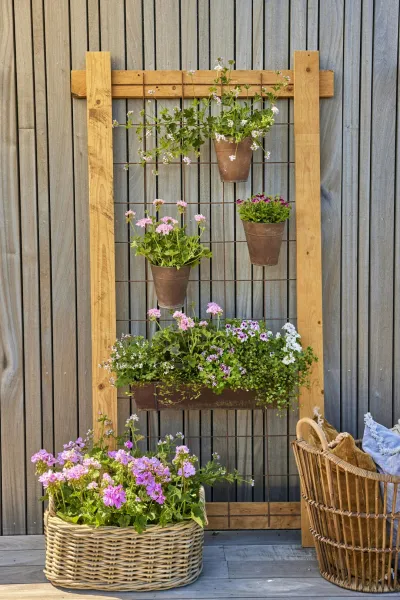
Garden Using Repurposed Pallets And Self Watering Systembody.navh1.rating.hero-img.share.btn Garden Using Repurposed Pallets And Self Watering System5 (62In a world where urban spaces are continuing to shrink, many people are looking for creative ways to connect with nature and bring greenery into their lives. One fantastic solution is creating a vertical garden using repurposed pallets and a Selfng system. Not only does this combine sustainability with creativity, but it also allows you to grow your own herbs, flowers, and even vegetables in limited spaces.Vertical gardens have been gaining popularity due to their ability to maximize space and add aesthetic appeal to any environment. They can transform dull walls into vibrant displays of life, break up monotonous urban settings, and even improve air quality. Plus, growing your plants means having access to fresh duce right at your fingertips—perfect for cooking enthusiasts and Healthous individuals alike.This DIY is perfect for beginners, requiring minimal prior gardening knowledge or woodworking skills. It’s an engaging way to learn about plant growth, irrigation, and environmental stewardship. As you build your vertical garden, you’ll gain hands-on experience that extends far beyond the confines of the .So roll up your sleeves, gather your
materials
, and let your creativity bloom as you construct a vertical garden that is not only resourceful but also serves as a sustainable solution to urban gardening challenges!
Tools
- Needed
- Screwdriver: Essential for screwing and unscrewing the wood screws, allowing you to build sturdy structures with ease.Drill: A Batteryed drill makes drilling pilot holes and securing screws much simpler and faster than using a manual screwdriver.
- Saw (Hand or Power): Perfect for cutting pallets down to desired sizes, enabling you to customize your garden’s shape and height.
- Measuring Tape: Necessary for ensuring accurate dimensions of your pallets and planned garden layout, keeping all pieces uniform.
- Level: Important for ensuring that your vertical garden hangs straight on the wall to prevent undue stress on plants and ensure even drainage.
- Gloves: protect your hands from splinters and rough edges, particularly when handling used pallets or working with hardware.
- Staple Gun or Tacks: Useful for securing landscaping fabric or breathable material against the back of the pallets to create pockets for your plants.
- Bucket or Container: A large container to mix soil and organic fertilizers ensures you have everything you need at hand while building your vertical garden.
Materials
- Repurposed wooden pallets: 2-4 pallets depending on your desired height (usually can be found for free or at a low cost).Landscaping fabric: 1-2 yards to line the back of the pallets for soil retention.
- Nails or screws: A box of 1-2 inch screws or nails for securing pieces together.
- SElfng system kit: 1 kit includes a water reservoir, tubing, and a wicking mechanism.
- Potting soil: 4-5 bags of potting soil to fill the pallet planter.
- Organic fertilizers: 1-2 bags to enrich the soil and feed your plants.
- Plants or seeds: 6-12 plants or seeds depending on your garden size; herbs like basil, parsley, or flowers like marigolds work well.
- Wood sealer or paint: Optional to finish the pallets and protect against moisture and pests.
- Watering can or hose: For initial watering and adjusting the Selfng systems.Steps to Create Your Vertical Garden
Step 1:
Select Your LocationBefore starting the construction, you'll want to pick a suitable location for your vertical garden. Look for a sunny spot that receives at least 6 hours of sunlight daily. This could be an outdoor wall, patio, or even a spacious balcony.
Tips: Ensure the area allows for accessibility to maintain and harvest your plants easily. Look for spots sheltered from high winds or where you won't be too disturbed by traffic.
Safety: Be mindful of electric wires, gas lines, or other installations nearby when choosing a wall or location for your vertical garden.
Step 2:
Prepare the PalletsOnce your location is chosen, assess the condition of your repurposed pallets. Look for ones that are sturdy, with no rotting wood or loose slats. Clean them up by removing any dirt or debris and, if desired, giving them a light sanding to flatten splinters.
Tips: If the pallet is noticeably dirty, a simple solution is to power wash it or scrub it with a gentle bleach solution to get rid of mold or mildew.
Safety: Wear gloves while handling pallets to protect yourself from splinters.
Step 3:
Line the Back of the PalletNext, cut a piece of landscaping fabric to fit the back of your pallet. This fabric will help retain soil while allowing excess water to drain through. Secure it with a staple gun or tacks to prevent any soil from spilling out when it’s filled.
Tips: Make sure you leave the top open to allow for planting. An additional sturdiness can be gained by running some screws through the fabric into the wood of the pallet.
Safety: Keep fingers clear of the staple gun or tacks while securing the fabric.
Step 4:
Assemble the Pallet Garden StructureIf you are connecting multiple pallets, use the drill and screws or nails to attach them together. Create a structure that fits well in your chosen space. Make sure the pallets are even and level for a professional look.
Tips: If stacking pallets, ensure they’re secured tightly together to avoid wobbling or falling. You may also want to keep the pallets at a slight angle to facilitate drainage.
Safety: Ensure the structure is stable before ceeding to fill it with soil.
Step 5:
Install the Self-Watering SystemFollow the instructions that come with your Selfng system kit to set up the water reservoir and tubing. You’ll typically place the reservoir at the bottom of the structure, which will allow the soil to draw water up through a wicking action.
Tips: Often, you can punch holes in one of the side panels of the pallet to connect tubing directly to your reservoir. Be sure to check for even distribution of water.
Safety: Ensure all connections are secured to prevent leaks.
Step 6:
Fill with Potting Soil and FertilizerStart to fill each pocket of the pallet with potting soil mixed with organic fertilizers. Aim to keep a good balance; don’t overpack the soil as it may harm root growth.
Tips: Water the soil slightly before adding plants; moist soil is easier to work with and reduces any air pockets.
Safety: Wear a mask if you are sensitive to soil dust and ensure you are lifting properly to avoid back injury.
Step 7:
Plant CareNow it’s time to introduce your selected plants or seeds into the soil. Arrange them in a way that larger plants won’t overshadow smaller ones. Ensure the roots are adequately placed and lightly press the soil around them.
Tips: Consider spacing based on the plants’ expected growth. Group plants with similar watering needs together for easier maintenance.
Safety: When handling seeds or seedlings, avoid direct contact with substances you might be allergic to.
Step 8:
Set Up a Watering ScheduleEven though you have a Selfng system, it’s wise to establish a regular schedule for checking moisture levels in the soil. Initially, test the system by filling the reservoir and ensuring water flows as expected.
Tips: Consider setting reminders on your calendar or phone for watering and regularly monitoring the plants.
Safety: Be cautious when using water near electrical equipment. Always turn off the system during maintenance.
Step 9:
Monitor and AdjustOver the first few weeks, keep an eye on your garden. Monitor the growth of plants, check the moisture level, and ensure everything is functioning correctly.
Tips: Keep a gardening journal to note which plants are thriving and any changes you want to make in the future.
Safety: If you notice stagnant water, be sure to empty it quickly to avoid mosquito breeding or other pest issues.
Step 10:
Maintenance and HarvestContinue caring for your vertical garden by watering, fertilizing, and pruning as necessary. When your herbs or veggies grow, monitor them for ripeness and harvest them before they decay.
Tips: Frequent harvesting often encourages more robust growth. Regularly remove any dead or yellowing leaves to keep your plants healthy.
Safety: Always wash your hands after handling soil or plants to prevent any possible Gardend contaminants.
2026 •