Introduction
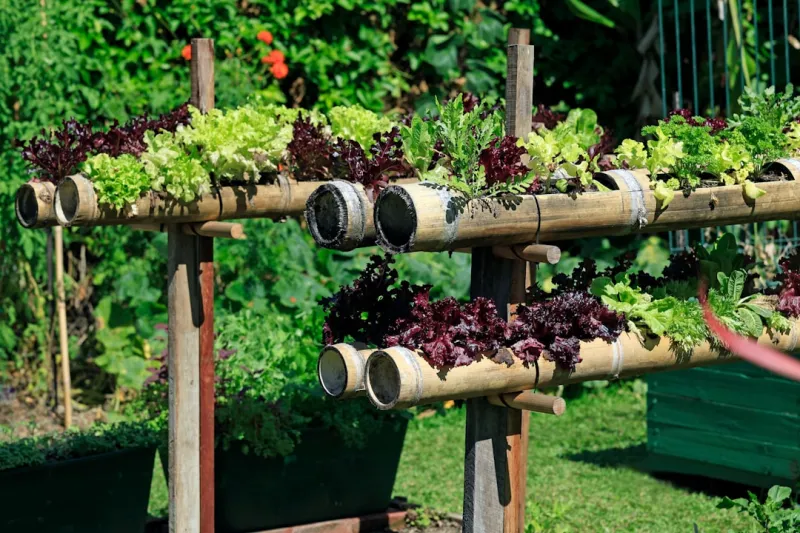
Garden Using Repurposed Pallets And Edible Plants
5 (96)
Garden Using Repurposed Pallets And Edible Plantsbody.navh1.rating.hero-img.share.btn Garden Using Repurposed Pallets And Edible Plants Garden Using Repurposed Pallets And Edible Plantsh2.content p Garden Using Repurposed Pallets And Edible Plants Garden Using Repurposed Pallets And Edible Plants Garden Using Repurposed Pallets And Edible Plants Garden Using Repurposed Pallets And Edible Plantsh2a Garden Using Repurposed Pallets And Edible Plants Garden Using Repurposed Pallets And Edible Plantsh2a Garden Using Repurposed Pallets And Edible Plants Garden Using Repurposed Pallets And Edible Plantsh2a Garden Using Repurposed Pallets And Edible Plants Garden Using Repurposed Pallets And Edible Plantsh2a Garden Using Repurposed Pallets And Edible Plants Garden Using Repurposed Pallets And Edible Plantsh2a Garden Using Repurposed Pallets And Edible Plants Garden Using Repurposed Pallets And Edible Plantsh2a Garden Using Repurposed Pallets And Edible Plants Garden Using Repurposed Pallets And Edible Plantsbody.Nav.Nav ah1.rating-chip.hero-imgh2pulli.social-share.share-grid.btn#fb-root} Garden Using Repurposed Pallets And Edible Plants5 (60 Garden Using Repurposed Pallets And Edible Plantsimgh2.btn-box.btn Garden Using Repurposed Pallets And Edible Plants Garden Using Repurposed Pallets And Edible PlantsCreating a vertical garden is a rewarding and practical way to bring greenery into your life, especially if you have limited space for traditional gardening. By repurposing pallets, which are often discarded or unused, you not only give new life to what might be considered waste but also create a unique and functional piece for your garden or patio. Edible plants, such as herbs, lettuces, peppers, and strawberries, can flourish in these vertical structures, providing fresh duce right at your fingertips.This is perfect for beginners because it requires minimal expenses and tools, making it accessible for anyone looking to dip their toes into gardening. A vertical garden not only offers the visual appeal of lush greenery but also has multiple benefits for your well-being and the environment. Gardening reduces stress, improves air quality, and contributes to eco-friendly practices, while homegrown duce enriches your meals. Additionally, by using pallets, this motes sustainability, encouraging you to embrace the DIY lifestyle.While getting started may seem intimidating, this guide breaks down the process into manageable steps, ensuring that anyone can successfully create their own vertical garden. By the end of this , you'll have a stunning display of edible plants right in your backyard, balcony, or kitchen—ideal for gardeners of all skill levels!
Tools
- Needed
- Screwdriver or Drill: Essential for assembling the pallet and securing it to your wall or support structure.Utility
- Knife: Useful for cutting the landscape fabric and any excess
materials
- Measuring Tape: Helps ensure accurate dimensions and placement of your pallet garden.
- Wood Sanding Block or Sandpaper: Smooths down any rough edges on the pallets to ensure safety during handling.
- Gloves: protects your hands from splinters and dirt while working with wood and soil.
- Landscape Fabric: Acts as a barrier between the soil and the wood, preventing rot.
- Staple Gun: Quickly secures the landscape fabric to the pallet.
- Watering Can or Hose: For regular watering, ensuring your plants remain hydrated.
Materials
- Repurposed Wooden Pallet: 1 pallet, ideally in good condition (check for rot or chemical treatments).Landscape
- Fabric: approximately 2-3 yards, to line the inside of the pallet.
- Potting Soil: 4-5 bags, suitable for edible plants, providing the necessary nutrients for growth.
- Edible Plants: A selection of plants (e.g., herbs like basil, thyme, or rosemary; vegetables like lettuce, spinach, or peppers; strawberries), approximately 6-12 plants depending on the pallet size.
- Wood Screws: 1 pack, to reinforce and secure components of the pallet garden.
- Strong Twine or Wire: For additional stabilization of plants if necessary
- Paint (optional): Non-toxic sealant or paint to protect the wood and add personality to your pallet.
- Brackets or Wall Hooks: 2-4 units, if you plan to secure the pallet to a wall.Step-by-Step Guide
Step 1:
Gather Your
Materials
Start by collecting all the
materials
you need for this . Look for a wooden pallet that is intact and free of chemicals; it should feel sturdy and not have any broken slats. Check with local stores or warehouses for discarded pallets, ensuring they haven't been treated with harmful substances. Next, cure the other
materials
, including landscape fabric, potting soil, edible plants, screws, and twine or wire. Organizing everything beforehand will save you time and keep the process smooth.
Tip: When selecting edible plants, consider your local climate and the amount of sunlight your vertical garden will receive. Herbs like mint and basil do well in smaller spaces, while strawberries will thrive in a bit more light.
Step 2:
Clean and Prepare the PalletOnce you have your pallet, it’s essential to clean and prepare it for planting. Use a stiff brush to scrub off any dirt and debris. If necessary, sand down rough areas to ensure there aren’t any splinters when handling the pallet. If you wish to paint or seal the wood, apply a non-toxic sealant or paint to protect the wood from moisture, which can lead to wood rot. Allow the paint or sealant to dry completely before moving on to the next step.Safety
Tip: Always wear gloves when handling pallets, especially if the wood feels rough. Be cautious around splinters!
Step 3:
Line the Pallet with Landscape FabricCut a piece of landscape fabric large enough to cover the back and sides of the pallet (you can ensure that the entire interior is lined). Starting from the base of the pallet, secure the fabric using a staple gun. This barrier will prevent soil from exiting the pallet while allowing for drainage. Be sure to leave some extra fabric at the top to fold over when you fill it with soil.
Tip: Ensure that the fabric is tight against the wood to avoid soil leakage. Double layer it if needed for increased durability.
Step 4:
Secure the FabricOnce the fabric is in place, secure it adequately with staples. Fold the edges over, creating a pocket, which will help hold the soil in place and also provide added support to the overall structure. For extra stability, consider using small wood screws at the top of the pallet (where the fabric meets the wood) to keep everything secure.
Tip: If you notice the fabric loosening over time, check it periodically and Re it as necessary.
Step 5:
Position the PalletChoosing the right location for your vertical garden is crucial. Ideally, select a spot that receives ample sunlight and is protected from strong winds. You can hang the pallet on a wall or p it against a sturdy fence. If you prefer not to hang it, consider placing it on a sturdy table or creating a frame for added support.
Tip: Make sure the surface underneath where the pallet will sit is level to avoid it tipping over.
Step 6:
Fill the Pallet with Potting SoilNext, fill the lined pockets of the pallet with potting soil. Leaving a small gap from the top will help ensure that when you water, the soil does not overflow. Make sure it is compacted but still loose enough for roots to grow comfortably. Ensure that each section is filled well to provide a solid foundation for your plants.
Tip: Use Highy potting soil designed for edible plants to provide them with the best nutrients for growth. You can blend it with compost for an extra boost.
Step 7:
Plant Your Edible PlantsNow comes the fun part—selecting and planting your edible plants! Gently remove them from their pots and plant them in the soil, taking care not to damage the roots. Be mindful of the amount of sunlight each plant will need when arranging them in the pallet; for instance, larger plants will need more space and possibly less direct sun. After carefully positioning each plant, gently pat down the soil around them to secure their placement.
Tip: Consider companion planting—certain plants grow better together. Herbs like basil grow well with tomatoes, while strawberries can flourish alongside various leafy greens.
Step 8:
Water and Maintain proper CareAfter planting, give your vertical garden a good watering to help settle the soil and ensure each plant is Welled. Regular care is essential; monitor the water levels—make sure the soil stays moist but is not waterlogged. Fertilization will also help mote growth; use an organic fertilizer periodically, especially when actively ducing fruit or foliage.
Tip: Designing a drip irrigation system may save you time and ensure your plants are consistently watered, especially during hot weather.
Step 9:
Monitor Plant Growth and AdjustAs your plants start to grow, keep an eye on their health—yellowing leaves, stunted growth, or pests may indicate issues. Prune any dead leaves and stems to mote airflow and encourage growth. If any plants outgrow their designated space, consider replanting them in separate pots for encouragement.
Tip: Introduce natural repellents like neem oil to combat pests without harming the plants or the environment.
Step 10:
Harvest and EnjoyOnce your plants begin to mature, you can start harvesting! Timing depends on the specific plant types; for example, cut herbs can be harvested multiple times, while vegetables and fruits will require a different approach. Remember to pick in the early morning or late evening to ensure flavor and nutrients are at their peak.
Tip: Regularly harvesting encourages new growth, leading to more yield and healthier plants.
2026 •