How to create a vertical garden using repurposed pallets and a drip irrigation system
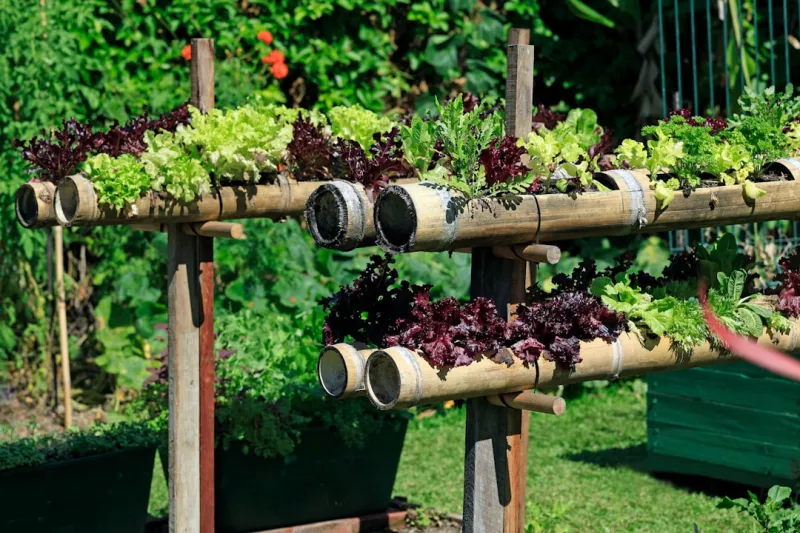
Creating a vertical garden using repurposed pallets is a fantastic way to get the most out of your gardening space, especially if you’re limited on land or want to add greenery to your urban environment. Vertical gardening not only optimizes limited space, but it also brings lush life and beauty to your surroundings. This DIY project allows you to utilize materials you may already have on hand, reducing waste and environmental impact. Moreover, incorporating a drip irrigation system ensures that your plants receive consistent moisture, making them healthier and easier to care for.
This project is perfect for beginners interested in gardening, sustainability, and DIY crafts. It’s a fulfilling way to cultivate food, herbs, or decorative plants while learning valuable skills. The combination of repurposing materials and implementing an efficient watering system illustrates a commitment to eco-friendly practices. As you engage in this project, you'll gain hands-on experience without the need for extensive gardening knowledge. Overall, transforming a simple pallet into a vertical garden can invigorate your living space, foster a love for gardening, and enhance your home’s aesthetics.
Let’s delve into the specifics of this rewarding project.
Tools Needed
1. Saw (Hand saw or power saw) - To cut the pallets to the desired size. A power saw will significantly speed up the process.
2. Drill with Drill Bits - For making holes for the drip irrigation system and screws for attaching hooks or additional supports.
3. Stapler or Heavy-Duty Stapler - For securing landscaping fabric to the back of the pallets, helping to retain soil and moisture.
4. Screwdriver - Needed for screws when fastening parts together in assembly.
5. Level - To ensure your vertical garden is mounted straight. A level isn’t just for aesthetics; it ensures water drains properly.
6. Measuring Tape - Essential for achieving the right dimensions, ensuring precision in your measurements for cutting and fitting.
7. Utility Knife - Useful for cutting soft materials like landscape fabric or for cleaning up edges on your pallets.
8. Gloves - To protect your hands from splinters, nails, and rough edges while working with pallets.
Materials
1. Repurposed Pallets - 2-3 pallets (depending on desired garden size, the average pallet size is 48"x40").
2. Landscaping Fabric - 1-2 yards (to hold the soil and avoid spillage).
3. Planting Soil - 2-3 bags, depending on the size of your pallets and the dimensions of the planting sections.
4. Drip Irrigation Kit - 1 kit (these are available at gardening stores or online and include tubing, emitters, and connectors).
5. Plants/Seeds - Choose a mix of herbs, flowers, or vegetables (e.g., basil, succulents, or strawberries) based on your interest.
6. Screws or Nails - 1 box (for securing parts together, when necessary).
7. Wood Primer and Paint/Stain (optional) - 1 can (to protect and beautify the pallets).
8. Hangers or Hooks (optional) - 4-6 large hooks (for hanging planters or additional decorations).
9. Plastic mesh or chicken wire - For extra support between the fabric and pallets (optional).
Intro
Creating a vertical garden with repurposed pallets is not just a gardening project; it’s a statement of sustainability and creativity. As urban living spaces become more confined, traditional gardening can feel like a distant hobby. However, vertical gardens offer a brilliantly compact solution, allowing you to bring nature into your home, even if you live in an apartment. Utilizing pallets helps minimize waste, transforming discarded materials into functional art that beautifies your space.
The project caters to various interests – whether you’re looking to cultivate food for your kitchen or simply want to add a splash of green to your wall, a vertical garden can accommodate both. It also promotes better air quality, provides insulation, and supports local ecosystems by attracting pollinators. Gardening has mental health benefits as well, including stress relief and a sense of accomplishment. This DIY guide is tailored for beginners, ensuring that anyone can create a stunning vertical garden with minimal experience. Let’s dive into the detailed steps to help you realize your vertical garden dream!
Step 1: Choose Your Location
Choosing the right location for your vertical garden is crucial for its success. Look for a spot that receives adequate sunlight, as most edible plants and many flowers need at least 6 hours of light each day. A south-facing wall or a fence is often ideal. Consider accessibility: your garden should be reachable for maintenance and harvesting. If the site is close to a water source, it will make the irrigation process easier. Inspect the area for any pests or drainage issues before proceeding.
Tip: Before setting up your vertical garden, use a measuring tape to gauge the space available. This will allow you to know how many pallets you can incorporate without overcrowding the area.
Step 2: Prepare Your Pallets
Once you've secured your pallets, it’s time to prepare them for planting. Inspect each pallet for any damages, rotting, or splintered areas. Remove any nails or screws and sand down rough edges to prevent injuries and create a smoother surface for planting material. If you desire, apply a non-toxic wood stain or paint to protect against moisture and pests and enhance aesthetics.
Tip: If you're going to grow edibles, steer clear of pallets that were previously used to transport chemicals or potentially harmful materials – look for "HT" (heat-treated) pallets instead of chemically treated ones, which are safer for gardening.
Step 3: Attach Landscaping Fabric
The next step is to prevent soil from falling through the pallet slats while providing drainage. Cut the landscaping fabric to the size of the pallet and stretch it across the back and bottom slats. Use a heavy-duty stapler or a utility knife to secure it in place. Ensure the fabric overlaps the sides slightly, as this will help retain soil effectively.
Tip: For extra support, you could also use plastic mesh or chicken wire, stapled over the fabric, for sturdiness especially if you plan to add heavy soil or larger plants.
Step 4: Mount the Pallet Vertically
To mount your pallet, you will likely need to secure it against a wall or fence. Use a drill and screws to fasten it in place, ensuring it’s straight by checking with a level. You might opt to mount it at a slight angle for better drainage. Ensure your structure is strong enough to support the weight of the soil and plants.
Safety tip: If working on a ladder, make sure it’s stable and positioned on a flat surface.
Step 5: Fill the Pallet with Soil
Now that your pallet is securely fastened, it’s time to fill it with soil. Begin with a layer in the pockets where your plants will grow, then press down slightly to avoid air pockets. Use high-quality planting soil to promote strong growth. Leave enough room at the top to prevent soil from spilling out.
Tip: Adding nutrients, such as compost, can enhance soil quality and provide plants with beneficial microorganisms, further promoting growth.
Step 6: Plant Your Chosen Plants
Begin planting your chosen herbs, vegetables, or flowers into each compartment you’ve prepared. Make sure to follow the recommended spacing guidelines for the specific plants. Densely packed plants can compete for nutrients, light, and water. If you’re planting seeds, ensure to follow their specific planting instructions regarding depth and spacing.
Tip: Consider the sun and shade needs of your chosen plants; arrange taller plants at the back and shorter ones at the front for optimal growth and aesthetic appeal.
Step 7: Set Up the Drip Irrigation System
A drip irrigation system allows the water to be delivered directly to plants' roots, conserving water and ensuring even distribution throughout the pallet garden. Install according to the instructions in your irrigation kit – usually, it involves running tubing from a water source to each planting area in the pallet. Make sure to place emitters near plant bases.
Tip: Connect it to a timer for easy watering, ensuring your plants remain hydrated, especially during the drier months.
Step 8: Test and Adjust the System
Before fully closing the system, turn on your irrigation to test how well it functions. Observe whether water is adequately reaching all areas of the garden. Adjust the placement of emitters if necessary to ensure each plant receives adequate moisture. Check for leaks and make any necessary repairs.
Tip: Inspect this system regularly, especially after storms or windy days – the elements can sometimes shift the tubing or displace emitters.
Step 9: Maintain Your Vertical Garden
Regular maintenance is essential for the longevity and health of your vertical garden. Schedule time each week or biweekly to check on your plants, water them (if necessary outside of the irrigation system), trim any overgrowth, and remove dead leaves or flowers. Fertilizing every few weeks can help nourish your plants and maintain vigor.
Tip: Pay attention to pest signs, such as discoloration or sticky residue, and treat infestations promptly.
Step 10: Enjoy Your Garden!
After spending all that time creating your vertical garden, it's time to enjoy your hard work! Harvest herbs and vegetables as they mature, and take pride in the aesthetic charm your vertical garden brings to your space. Spend some moments in front of your green wall, watching the plants flourish, and enjoy the beauty of nature and gardening.
Tip: Take photos of your garden as it grows; it can be inspiring to track your progress!
Troubleshooting
Even with the best-laid plans, gardening can present challenges. Below are some common issues you might encounter with your vertical garden and potential fixes:
1. Plant wilting or yellowing: This can often indicate over-watering or underwatering. Adjust your watering schedule or test the soil moisture to determine the need for water.
2. Soil drainage issues: If water pools, check to ensure that the fabric and drainage holes are functioning as intended. Elevate the pallet slightly at the bottom to encourage drainage if needed.
3. Pest infestations: If you notice pests, remove any infested leaves manually. You might also utilize some natural deterrents, like neem oil, to combat the problem.
4. Inconsistent watering: If you find that some plants are drying out while others are waterlogged, revisit your drip irrigation adjustments. Ensure each plant's emitter is functioning well.
5. Plant diseases: If you spot signs of disease (like mold or unusual spots), remove the affected plants immediately, as they can spread. Ensure good airflow around your plants to minimize disease risk.
Conclusion
Creating a vertical garden with repurposed pallets and a drip irrigation system is a fulfilling project that not only beautifies your environment but also promotes sustainable living. As you've learned, this project is manageable for beginners, requiring only essential tools and a bit of creativity. The use of recycled pallets is an excellent way to reduce waste while augmenting your gardening experience.
Remember, maintenance is key to a thriving vertical garden. Consider varying your plant choices for enjoyment throughout the seasons, whether planting herbs for culinary use, flowers for aesthetic appeal, or even succulents for low-maintenance charm. With regular care and some patience, your vertical garden can flourish, serving as a vibrant testament to your efforts.