Real DIY Projects • Real Photos • Real Results

How to create a vertical garden using repurposed old pallets and drip irrigation systems
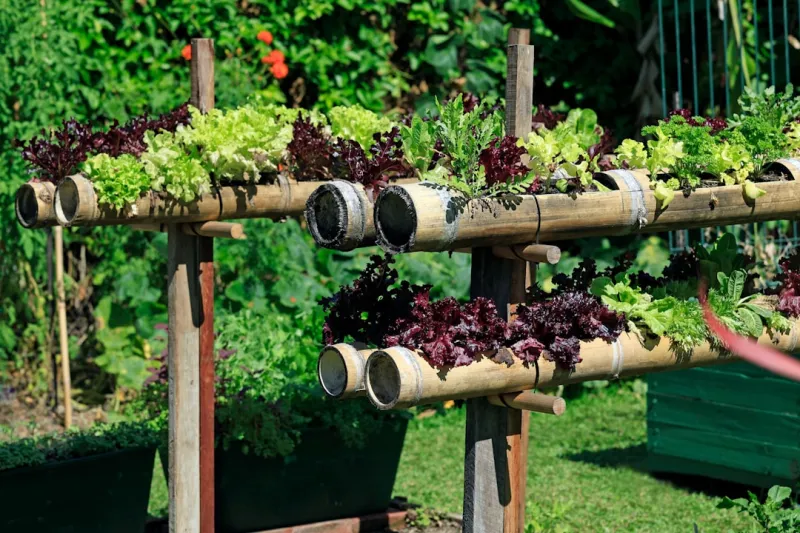
create a vertical garden using repurposed old pallets and drip irrigation systems setup
Setup & Materials
By Alex • November 15, 2025 • DIY Guide

Creating a vertical garden can be both an aesthetic and practical solution to many common gardening challenges, such as limited space and poor soil quality. With urban living becoming increasingly popular, homeowners and renters alike are often searching for creative ways to cultivate greenery without sacrificing precious floor space. Using repurposed old pallets not only promotes recycling and sustainability but also enables you to add a unique touch to your outdoor or indoor space. Additionally, integrating a drip irrigation system can simplify maintenance, ensuring your plants receive adequate water without daily attention.

Benefits of a vertical garden using pallets include optimal use of vertical space, easy accessibility for plant care and harvesting, and the ability to create a stunning focal point in your environment. Incorporating a drip irrigation system can further enhance this experience, allowing for efficient watering even when you're busy or away.

Skill Level: This project is designed for beginners, and though some tools and techniques may seem new, with patience and careful execution, you'll find the methods accessible.

In this detailed DIY guide, you'll learn how to create a vertical garden using repurposed old pallets and a drip irrigation system, ensuring your new garden thrives while adding beauty to your space.

Tools Needed

Materials

Step-by-Step Instructions

#### ### Step 1: Gather and Prep Your Pallets To begin, gather the pallets you plan to use. Look for pallets made from untreated wood, especially those marked with the heat stamp "HT," which indicates heat treatment instead of chemical treatment. Inspect them carefully for damage, rot, or mold. Replace any broken slats if necessary.

#### ### Step 2: Select a Location Choose a suitable location for your vertical garden, keeping sunlight requirements and aesthetics in mind. Aim for an area that receives at least 6 hours of sunlight per day, such as south-facing walls. Ensure that the ground is level if placing directly on soil, or prepare a sturdy support if it’s to be mounted on a wall.

#### ### Step 3: Assemble the Pallets Start aligning your pallets in the desired configuration—this could be vertical or staggered. Use nails or screws to secure them together for stability. Make sure to leave space for adequate drainage as well as easy access for planting.

#### ### Step 4: Add Landscape Fabric Cut the landscape fabric to fit the back and sides of the pallets. This fabric will prevent soil erosion while allowing excess water to drain out. Use a staple gun to secure the fabric tightly.

#### ### Step 5: Fill the Pallets with Soil Begin to fill each section of the pallets with potting soil. Avoid compacting the soil too firmly; a light touch allows for air to circulate and supports healthy root growth. Aim to leave about an inch of space at the top to prevent soil from spilling out during watering.

#### ### Step 6: Plant Your Selection This is the fun part! Choose your plants and begin to place them within the soil, pressing gently to ensure they’re secure. Consider mixing herbs, flowers, or small vegetables. Group plants with similar watering and sunlight needs together.

#### ### Step 7: Set Up Drip Irrigation Refer to your drip irrigation kit instructions to properly install the system. Typically, you will attach tubing to a water source, running the tube along the top of the garden where it can reach all plants. Use drip emitters for effective watering.

#### ### Step 8: Secure the Structure Once everything is in place, ensure the vertical garden is secure and stable. If desired, you can attach it to a wall using brackets or post it firmly on the ground. Double-check your work for stability, especially if you’ve constructed it at any height.

#### ### Step 9: Initial Watering Water the vertical garden thoroughly to ensure the soil is well-moistened. Be mindful of the drip irrigation system during this process; you want to establish a baseline for how the plants will absorb water.

#### ### Step 10: Monitor and Adjust As the plants begin to grow, monitor for any signs of stress or nutrient deficiency. Adjust watering schedules as needed to account for changing weather. Ensure that the structure remains stable and that the drip system continues to work properly.

Troubleshooting

Even the best-laid plans may encounter obstacles. Here are five common issues you might face with your vertical garden and their fixes:

Conclusion

Creating a vertical garden from repurposed old pallets is not just a sustainable choice; it’s a fulfilling project that allows you to showcase your creativity while benefitting the environment. With the addition of a drip irrigation system, maintaining your garden becomes a breeze, allowing you to enjoy your green space without stressing over daily watering.

As you embark on this journey, consider variations such as using different types of pallets, experimenting with plant selections, or incorporating decorative items like fairy lights. Regular maintenance—monitoring plants for health, adjusting the irrigation system, and ensuring structural integrity—is critical to keeping your vertical garden flourishing.

With some care, time, and a little ingenuity, you’ll soon have a splendid display of greenery that adds charm and functionality to your space. Enjoy your gardening adventure!

By Alex, Home Hack Lab

Back to Home