How to create a vertical garden using reclaimed pallets and a drip irrigation system
Intro
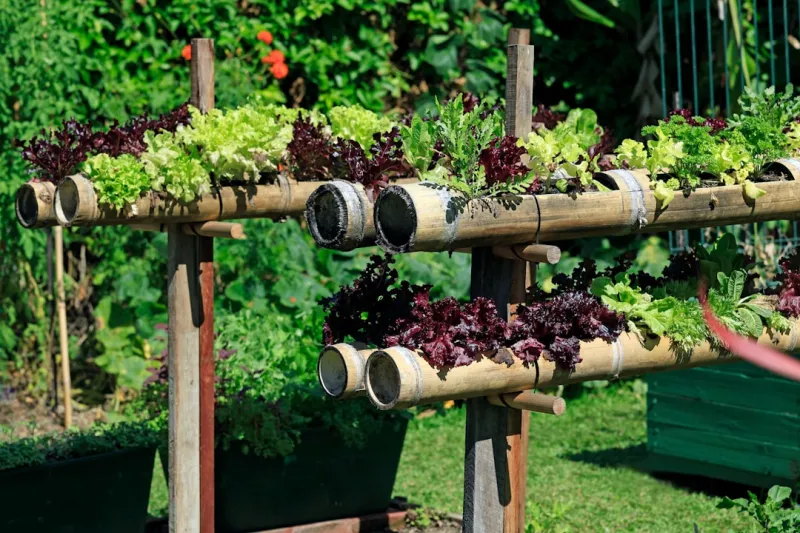
Creating a vertical garden using reclaimed pallets is an innovative and eco-friendly project that allows anyone to transform their urban spaces into lush green retreats. With the increase in urbanization, gardening spaces have become limited, making vertical gardening a perfect solution for those wishing to grow herbs, vegetables, or ornamental plants while conserving precious ground space. Utilizing reclaimed pallets not only promotes sustainability but also adds a unique rustic charm to your garden.
Benefits of Vertical Gardening
Vertical gardens offer various advantages:
- Space Saving: Ideal for small yards, balconies, and patios, maximizing space usage for more significant returns.
- Improved Aesthetics: They create stunning visual impact, enhancing your home’s exterior while providing greenery.
- Enhanced Air Quality: Plants filter air by absorbing carbon dioxide and releasing oxygen, improving indoor and outdoor air quality.
- Easier Maintenance: Elevated growing areas reduce bending over, making it easier on your back while allowing for better drainage.
- Water Efficiency: Implementing a drip irrigation system conserves water while ensuring that plants receive the necessary moisture at their roots.
Skill Level
This project is designed for beginners, making it accessible to everyone, from hobbyist gardeners to eco-conscious households. With just a splash of creativity and a willingness to learn, anyone can create an inviting and functional vertical garden.Tools Needed
1. Power Drill: Essential for making holes in the pallet for drainage and anchoring your irrigation system. 2. Saw (Hand or Power): For cutting the pallets to the desired size and possibly for shaping the planter boxes. 3. Staple Gun: Ideal for securing landscaping fabric to the pallet for soil retention, creating a barrier that holds soil in place. 4. Level: Ensures that your vertical garden is properly aligned. A level garden not only looks nicer but also allows even moisture distribution. 5. Measuring Tape: crucial for determining the dimensions of your area and ensuring your pallets fit snugly against the wall or free-standing. 6. Garden Gloves: Protects your hands from splinters and dirt, ensuring safety as you work with wood and soil. 7. Garden Trowel: Perfect for planting and digging within the pallet’s planters once constructed. 8. Pliers: Handy for removing nails or adjusting items as needed during the assembly process.
Materials
1. Reclaimed wooden pallets (2-4): Look for sturdy pallets in good condition; the quantity depends on your desired garden size. 2. Landscaping fabric (1 roll): This will hold the soil while allowing excess water to drain. 3. Soil (3-4 bags): Potting soil or a mix suitable for your chosen plants. The number of bags might vary based on the pallet size. 4. Plants/Seeds (various): Select a mix of herbs, vegetables, or flowers that thrive well vertically. 5. Nails or screws (1 box): Used for securing the pallets together and the irrigation system components. 6. Drip irrigation kit (1): A complete system will ensure efficient watering with minimal effort. 7. Wood stain or sealant (1 can): To treat the pallets, protecting the wood from rot and enhancing its visual appeal. 8. Brackets or wall anchors (4-8): Needed if you plan to mount the pallet on a wall, providing stability. 9. Watering hose (1 roll): Connecting your drip irrigation system to a water source. 10. Timer (optional): If you want to automate the irrigation process, investing in a timer is wise.
Steps to Create Your Vertical Garden
### Step 1: Choose and Prepare Your Location
Determine where you want to install your vertical garden. Look for locations that receive ample sunlight (at least 6-8 hours) daily. Ensure there are no overhanging trees or structures that could block sunlight or precipitation. Once you’ve identified the right spot, clear the area of any debris to create a clean working environment. If mounting against a wall, it’s beneficial to test the area for moisture levels and confirm it is free from pests.
### Step 2: Gather Your Materials and Tools
Before starting, organize all your materials and tools. Having everything on hand ensures a smoother workflow. Double-check that you have the right quantity of soil, plants, and irrigation supplies. Spending a little time preparing can prevent headaches later and allow you to focus on the fun aspects of building your garden.
### Step 3: Prepare Your Pallets
Inspect your reclaimed pallets carefully. Remove any loose or broken boards, splinters, or sharp points to avoid injury. If desired, apply a coat of wood stain or sealant to protect the wood from moisture and pests. Let the stain dry completely before proceeding. Use a level to set the pallets on a flat surface, making sure they’re stable if standing alone. This attention to detail is crucial for the long lifespan of your vertical garden.
### Step 4: Attach Landscaping Fabric
Using the staple gun, attach the landscaping fabric to the back and sides of the pallet. This will act as a barrier that keeps the soil in while allowing water to drain. Ensure that the fabric extends to the bottom of the pallet and is tightly secured, as loose fabric can cause the soil to escape during watering. For better soil retention, you can fold the fabric over at the corners for extra support.
### Step 5: Fill the Pallet with Soil
Begin filling the pallet with potting soil. It’s best to pack the soil firmly to eliminate air pockets while ensuring it doesn't become too compacted. When using multiple pallets, you may want to identify which plants will be placed in each. For example, place deep-rooting plants in lower sections to support their growth better, while shallow-rooted plants can be positioned higher.
### Step 6: Arrange Your Plants
Plan how you want to arrange your plants. It’s helpful to think about plant height, color, and growth patterns. As a guide:
- Top Section: Fast-growing herbs like basil or mint.
- Middle Section: Lettuce, strawberries, or small flowering plants.
- Bottom Section: Taller plants like tomatoes or vining crops like cucumbers.
### Step 7: Install the Drip Irrigation System
Follow the instructions in your drip irrigation kit to set up the system effectively. Generally, this involves laying the main hose along the top of the pallets and attaching drip tubing that leads to each plant. Ensure that the hoses are securely anchored to prevent any movement that could disrupt watering. Check for even distribution of water by running the system and examining if all plants are getting adequate moisture.
### Step 8: Secure Your Vertical Garden
If the vertical garden will be freestanding, you may not need additional supports. However, if it’s mounted against a wall, secure it using brackets or wall anchors. Follow the manufacturer's instructions and ensure that the structure is stable enough to support the weight of soil and plants. Remember, safety is paramount; it’s essential to double-check your mounting to prevent accidents due to instability.
### Step 9: Water and Monitor
Initially, water your vertical garden gently to allow the soil to settle. Monitor your drip irrigation system closely to ensure it operates without leaks or blockages. This step is critical during the first few weeks as plants acclimate. You’ll want to check moisture levels in the soil regularly, adjusting drip settings as necessary to avoid over or under-watering.
### Step 10: Enjoy and Maintain
Once everything is set up, take time to enjoy your new vertical garden! Regular maintenance is essential; trimming dead leaves, ensuring plants get enough sunlight, and checking the irrigation system should become part of your routine. Consider adding fertilizer or compost as needed based on your plants’ requirements, adjusting for seasonal changes and growth patterns.
Troubleshooting
Even the best plans might hit snags; here are common issues and their fixes:
- Problem: Plants are wilting or dying: Check the irrigation system. Ensure that you are watering enough without over-watering. Adjust the watering timer if it's automated, or modify the drip output.
- Problem: Soil is spilling out: If the landscaping fabric isn't secured tightly, soil can escape. Re-check the fabric attachment and add more staples or ties where necessary.
- Problem: Pests like aphids or whiteflies: Regularly inspect plants. Introducing beneficial insects like ladybugs or applying insecticidal soap can help control their populations.
- Problem: Tall plants tipping over: If plants are not stable, consider using bamboo stakes or other supports to provide additional strength. It might be necessary to transplant excessively tall plants to lower sections.
- Problem: Uneven growth: This might be due to inconsistent sunlight or water distribution. Remove any obstructions causing shade and adjust your irrigation tubing for more even coverage.
Conclusion
Creating a vertical garden using reclaimed pallets and a drip irrigation system is not only achievable but also rewarding. By repurposing materials, you can enjoy a beautiful garden that enhances your living space, provides fresh produce, and demonstrates sustainable practices.
Don’t hesitate to experiment! Vertical gardens can be tailored in countless ways; try different plant combinations, sizes, or even colors for the pallets, depending on aesthetics or functional needs. Remember that like any garden, consistent maintenance, and adjustments will yield the best results. So roll up your sleeves, put your skills to the test, and enjoy your journey into vertical gardening!