How to create a vertical garden planter from repurposed pallet wood and wine bottles
Tools Needed:
1. Saw (Hand Saw or Circular Saw): Essential for cutting pallet wood and wine bottles to the desired length. A circular saw speeds up the process but requires familiarity with power tools. 2. Drill with Drill Bits: Needed for making holes in the pallet wood for drainage and securing the wine bottles. A good quality drill will save time and frustration. 3. Screwdriver: Necessary for tightening screws and assembling parts. A set with both Phillips and flat-head options is recommended. 4. Measuring Tape: Ensures accurate measurements of the pallet wood and placement of wine bottles. Precision is key in creating aesthetically pleasing and functional planters. 5. Sandpaper or Power Sander: Smoothens rough edges on the wood, making it safer to handle and improving the overall look of the finished project. 6. Level: Makes sure your planter is aligned properly and won't topple over. A level prevents you from addressing stability issues after the fact. 7. Paint or Wood Sealer: Optional but recommended. It protects the wood from the elements and can enhance the aesthetic by adding color or a finish. 8. Gloves and Safety Goggles: Safety gear is essential. Protects your hands and eyes from splinters and debris while you’re working on the project.
Materials:
1. Repurposed Pallet Wood (1-2 pallets): The main structure of your vertical garden. Aim to find pallets that are in good condition. 2. Wine Bottles (10-15 bottles): Used as planters. You can collect these from friends or local eateries. 3. Wood Screws (1 box): To secure pieces of the planter together. A box of around 50 screws will suffice for a medium-sized project. 4. Wooden Dowels (6-8 pieces): To help secure the bottles further or join pieces of the planter if necessary. 5. Potting Soil (2 bags, 1 cubic foot each): Provides a nutrient base for your plants. Choose a quality soil mix suitable for vertical gardens. 6. Plants or Seeds (as desired): Choose hardy plants that thrive in vertical settings. Herbs, succulents, and small flowering plants are excellent options. 7. Hanging Hardware (1 set): If you plan to suspend your vertical garden, you'll need hardware such as hooks and anchors. 8. Plastic Hammock Straps (if hanging): These can be used to wrap around the sides of the pallet to attach securely to a wall, or for added stability. 9. Optional: Decorations (String Lights, and Paint): Customize your vertical garden to fit your aesthetic mood. Choose decorative elements that weather well.
Introduction
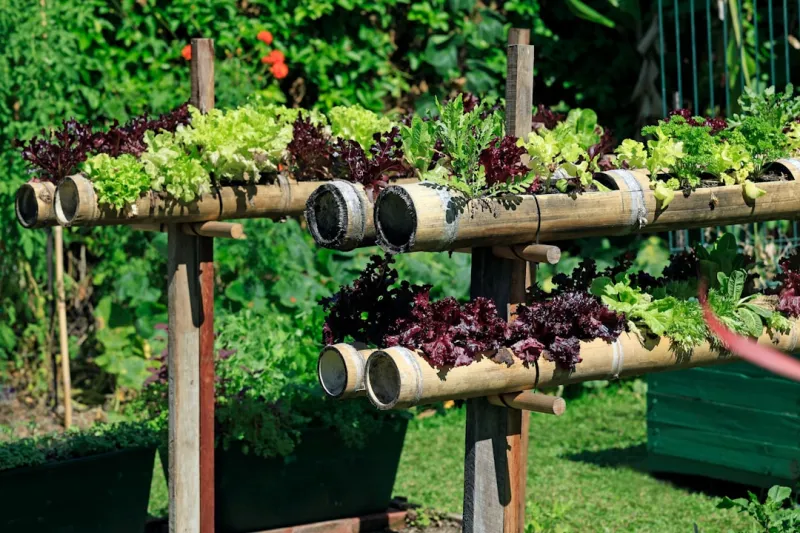
Creating a vertical garden planter from repurposed pallet wood and wine bottles is an eco-friendly project that not only serves a practical purpose but also adds a touch of beauty to any space. With limited outdoor space becoming a common challenge for urban dwellers, vertical gardening has gained traction as a popular solution, allowing you to maximize plant growth in a small footprint. This DIY project not only makes use of reclaimed materials, reducing waste and promoting sustainability, but it also enables you to showcase your creativity and style.
The benefits of a vertical garden are numerous. They enhance your space by bringing a splash of greenery to walls and fences, improving air quality and providing a natural habitat for friendly insects. They also allow for easy access while reducing the need for bending over, making gardening more comfortable. Plus, growing your own herbs and vegetables right at your fingertips encourages healthy eating and can save you money on groceries.
This project is designed for beginners; no advanced woodworking skills are required. With basic tools and readily available materials, you can create a functional and attractive vertical planter that is both rewarding and satisfying. Be prepared to unleash your creativity, soak up some vitamin D, and take your gardening to new vertical heights!
Step-by-Step Instructions
#### ### 1. Gather Your Materials Gather all the tools and materials listed earlier before commencing the project. Having everything on hand will streamline your process and keep distractions to a minimum. Make sure your pallet wood is dry and has no signs of mold or pests. If you're using recycled wine bottles, rinse them out to avoid any leftovers from whatever delightful beverage they once contained.
Tip: Collect some friends and make an event out of the project by gathering the bottles and other materials together. This can turn into a fun afternoon!
#### ### 2. Choose a Location Before you start building, decide where you want your vertical garden to be. While indoor locations can be wonderful, selecting an outdoor wall or fencing allows your plants to receive natural sunlight. Consider the amount of sunlight the chosen spot gets throughout the day and select plants that are suitable for that light exposure.
Tip: Avoid places too close to the ground to prevent pests and muddy conditions. A slight elevation will yield better results.
#### ### 3. Prepare the Pallet Wood Once the location is decided, it's time to prepare the pallet wood. Begin by disassembling the pallet if necessary, using your saw to cut it down to size if it’s too large. Make sure to sand all rough edges, as this will help prevent splinters and improve aesthetics.
Safety tip: Wear gloves while handling the pallet wood to prevent splinters, and goggles to protect your eyes from dust when sanding.
#### ### 4. Assemble the Vertical Frame Construct the frame of your vertical planter by aligning wooden planks vertically or horizontally, depending on your design preference. Secure the planks in place using wood screws to create a sturdy frame. Ensure that everything is level and stable, as a well-supported structure is vital for successful plant growth.
Tip: Consider creating a design that allows you to securely attach wine bottles to the pallet. This could mean adding extra support beams or dowels where the bottles will sit.
#### ### 5. Attach Bottles to the Pallet Select your wine bottles, preferably those with necks that can easily fit within the frame you've made. Cut the bottoms off the bottles if needed to create an opening large enough for the plants. Using the dowels, secure the bottles horizontally to the frame with screws, ensuring they are tightly fastened to prevent them from falling.
Tip: Use a level to maintain consistency in alignment as you add bottles. This adds visual flair and encourages uniformity in plant growth.
#### ### 6. Prepare the Bottles for Planting Once the bottles are housed within the frame, it’s time to add potting soil. Fill each bottle with soil, ensuring that you leave some space for your plants or seeds. Add enough to cover the bottom of the bottles to support plant roots adequately.
Tip: Consider adding some small stones or pebbles to the bottom of each bottle for drainage. Plants will thrive better with proper water management.
#### ### 7. Plant Your Seeds or Plants Now, it’s time to bring your vertical garden to life! Choose your desired plants based on sunlight exposure and care requirements. Carefully place them in the soil, ensuring that they fit snugly within the bottle. If using seeds, follow the recommended planting depth for the specific seeds you’ve chosen.
Tip: Research the growth habits of your chosen plants to ensure they won’t crowd each other as they mature.
#### ### 8. Secure and Finalize the Structure Once the plants are in place, double-check the stability of the entire structure. If hanging, install hanging hardware as appropriate, ensuring a sturdy connection to the wall or other support. Reexamining each bottle’s positioning and the overall stability will prevent any disaster later on.
Safety tip: For hanging garden planters, ensure you use appropriate anchors and screws to support the weight once the bottles are filled with soil and plant matter.
#### ### 9. Water and Maintain After assembling your vertical garden, give your plants a good watering to help them settle in. Monitor moisture levels regularly; vertical gardens may require more frequent watering due to drainage and evaporation. Fertilize as needed, depending on the types of plants you selected.
Tip: Create a watering schedule tailored to your plant types to keep vegetation vibrant and healthy.
#### ### 10. Enjoy and Monitor Growth Take time to enjoy your new vertical garden! Monitoring plant growth will not only foster patience but will also let you enjoy the burgeoning greenery. Adjust care routines based on how well your plants are doing, and observe for any pests or diseases that may arise.
Tip: You can keep track of your plants' progress by taking photos or using gardening apps to note growth patterns and care needs.
Troubleshooting
While creating a vertical garden can be relatively straightforward, you may encounter some common challenges:
1. Plants Failing to Thrive: If your plants are wilting or not growing, assess sunlight exposure and watering frequency. Insufficient light or over- or under-watering could be the culprits.
2. Drainage Issues: Water pooling in the bottom of your wine bottles can lead to root rot. Ensure you've added drainage stones and that holes exist for proper water escape.
3. Pests Invading: Ants or aphids may take a liking to your plants. Neem oil can help deter pests; ensure you inspect thoroughly and apply any treatments recommended for your specific plants.
4. Structural Integrity: If the planter starts to wobble or lean, recheck all screws and supports. Reinforce any weak spots with extra support if needed.
5. Dying Plants: Lack of humidity or improper plant choices may lead to failure. Consider utilizing moisture-retaining materials or selecting more resilient plants that withstand your gardening conditions better.
Conclusion
Creating a vertical garden planter from repurposed pallet wood and wine bottles is an enriching journey that combines sustainability with creativity. It enables you to create a living canvas that not only enhances your environment but also showcases your fruits (and veggies) of labor. With proper planning and consistent care, your vertical garden can flourish beautifully.
This structure allows for numerous variations according to your preferences—experiment with different bottle sizes, paint colors, or plants to make it truly yours. Remember that maintenance is key: consider checking the soil's moisture, sunlight exposure, and plant health regularly.
Ultimately, your hard work will reward you with a thriving garden that adds beauty to any space—without needing a vast expanse of green thumb expertise.