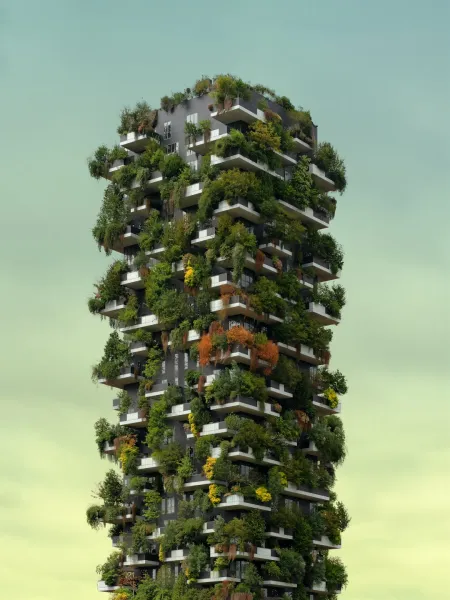
Introduction
Create A Sustainable Vertical Garden Using Upcycled Plastic Bottles And Old Pallets
5 (70)
is beneficial in urban settings where space is limited. It allows you to grow herbs, flowers, and even vegetables on walls and fences—bringing greenery to concrete jungles. Imagine having fresh basil for your pasta dish, or colorful marigolds lining your patio—all while contributing to a healthier planet! The skill level required for this is Beginner-friendly, meaning that anyone can embark on this journey without prior gardening or woodworking experience. It involves basic tools and
materials
, with easily understandable steps that guide you through the making of your vertical garden from scratch. Engaging in such a not only provides joy and satisfaction but also serves as a valuable learning experience about biodiversity and Selfnability.
Tools Needed
Utility Knife – Essential for cutting the plastic bottles to size. Ensure it's sharp to make clean cuts without extra effort.Drill with Drill Bits – For making holes in the pallets and plastic bottles. It’s necessary to create drainage holes to prevent overwatering, which can rot the roots.Screwdriver – To secure the pallets to your wall or a sturdy support structure. A power screwdriver can expedite this process and make it easier.Tape Measure – Ensures accuracy in cutting and spacing your installations. It will help prevent wasted
materials
and keep the design symmetrical.Sandpaper (medium and fine grit) – Necessary for smoothing out any rough edges on the pallets and ensuring the safety of those working with the garden.Paintbrush or Roller – If you choose to paint or seal your pallet for preservation or aesthetics, a Goody paintbrush is vital for an even application.Gloves – protects your hands from sharp edges and potential hazards while working with pallets and plastic
materials
Watering Can or Hose – Essential for maintaining your garden once it’s installed. A watering can gives precision, while a hose can cover larger areas.
Materials
Old Pallets – 2–3 pallets, depending on your desired size for your vertical garden.Plastic Bottles – approximately 15-20, depending on the design and the number of plant slots you want.Potting Soil – About 2-3 bags (1.5 cubic feet each), enough to fill your bottles adequately.Nails or Screws – 1-2 boxes to secure the pallets, which should be WEatherant for outdoor use.Landscape Fabric or Old Cloth – 1-2 yards to line the bottles; this helps retain soil and moisture while allowing drainage.Plants or Seeds – 6–10 (such as herbs, flowers, or small vegetables), choose varieties that thrive in containers.Wood Sealer or Exterior Paint – 1 quart, to protect the pallets from rot, especially if they’re going to be outdoors.Hook-and-loop straps or wire – For securing the bottles in place if needed, a few packs for added stability.Fertilizer – 1 small bag; opt for an organic option to complement your sustainable approach. Steps to Create the Vertical Garden
Step 1:
Gather
Materials
and ToolsBefore diving in, ensure you have all necessary
materials
and tools gathered in a designated workspace to streamline the process. Check your pallets for any nails sticking out or damage. Sift through your collection of plastic bottles and select ones without cracks or substantial wear. Make a quick list of plants you want to grow and gather those seeds or seedlings as well.
Tips: Create a checklist of tools and
materials
to ensure nothing is missed. Safety first— wear gloves when handling pallets and utility knives, and dispose of any sharp remnants properly.
Step 2:
Prepare the PalletIf you’re using old pallets, start by cleaning them to remove dust and grime. Using sandpaper, smooth out any rough edges that could be potential hazards later. If desired, paint or seal your pallets with a wood sealer or exterior paint. This step not only offers weather protection but also adds an aesthetic touch.
- What to do: Lay the pallet on its side and apply a coat of sealer. Allow it to dry completely according to package instructions before ceeding.
Tips: For an extra layer of protection, apply two coats of paint or sealer, ensuring the first dries completely before applying the second.
Step 3:
Cut the Plastic BottlesNext, prepare your plastic bottles. Use a utility knife to cut each bottle in half vertically, leaving you with two halves. For drainage, use a drill to make a few holes in the bottom of each bottle. You can also cut smaller holes along the sides for additional airflow.
- How to do it: When cutting, take your time to ensure straight edges and a clean cut. Wear safety gloves and protect your workspace from scratches.
Tips: Clean and dry each bottle before use to avoid any unwanted residue affecting your plants.
Step 4:
Line the BottlesTo prevent soil from spilling out of the bottles, line the insides with landscape fabric or cloth. Cut your material into appropriate sizes so that it fits snugly against the sides and bottom, leaving space for water drainage.
- What to do: Place the fabric inside each bottle, securing it in place with a bit of soil at the bottom to hold it down, ensuring that it covers the holes.
Tips: You can also use biodegradable coffee filters as a lining if you want to keep things eco-friendly.
Step 5:
Fill the Bottles with SoilNow, fill each lined bottle with potting soil, leaving about an inch or so from the top. Ensure that you distribute the soil evenly and pack it down lightly to avoid air gaps.
- How to do it: Use a small trowel or your hands for more control, moistening the soil slightly to make packing easier.
Safety: Be cautious when handling soil; consider wearing a mask if you are sensitive to dust.
Step 6:
Plant Your Seeds or SeedlingsWith the soil in place, it’s time to plant! Follow seed or plant instructions for depth and spacing. Generally, place seeds or seedlings in the center of the soil, gently pressing them down, and cover them with a light layer of soil.
Tips: Consider companion planting to optimize space utilization; for example, plant basil alongside tomatoes for added flavor.
Step 7:
Attach the Bottles to the PalletUsing screws or nails, securely attach the filled bottles to the pallet in a staggered position for visual appeal. Make sure each bottle is securely held in place to avoid tipping over.
- How to do it: Work from the bottom of the pallet upward, ensuring stability as you add additional bottles.
Tips: Leave enough space between the bottles to allow room for plants to grow without crowding.
Step 8:
Install the Vertical GardenOnce you’ve finished attaching the bottles, it’s time to mount the pallet to a wall or sturdy vertical surface. Make sure the surface can support the weight of the plants and water in the bottles. You'll want to position it where it can receive ample sunlight.
- What to do: Use a drill and guarantee that you screw the pallets securely into the wall.
Safety: If hanging on a wall, ensure that you are screwing into a stud or using appropriate wall anchors to avoid accidents.
Step 9:
Water and CareAfter installation, thoroughly water each bottle, allowing excess water to drain out. Ensure that your plants receive the correct amount of sunlight, and check moisture levels regularly.
Tips: Use a watering can with a narrow spout for precise watering. Setting up a scheduled watering plan will help maintain plant health.
Step 10:
Maintenance and ObservationRegularly check your vertical garden for any signs of pest infestation or water imbalance. Trim any overgrown leaves as needed, and replant any seedlings that don’t thrive in their locations.
- What to do: Keep a notebook to track which plants are doing well and which need more care or changed conditions.
Tips: Use organic fertilizers periodically to enhance the growth of your plants.
2026 •