How to create a sustainable vertical garden using repurposed pallet wood and drip irrigation techniques
Introduction
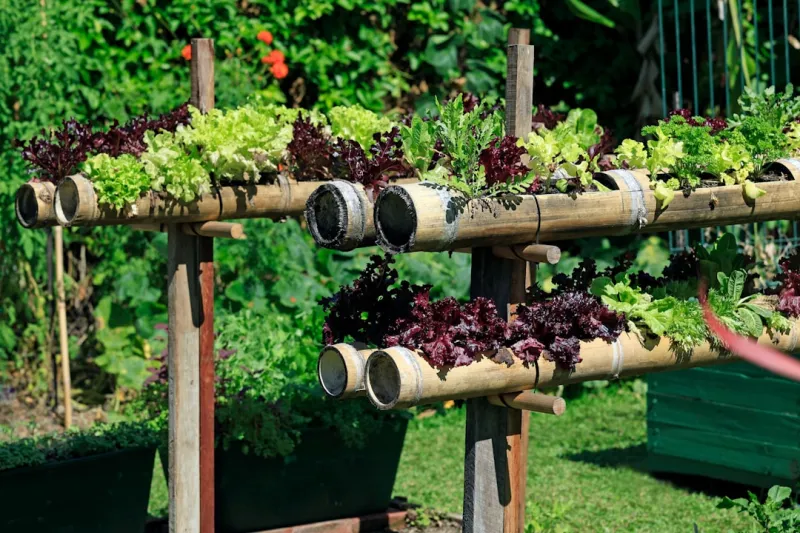
In today's world, where urbanization is on the rise, the need for green spaces has never been more pressing. Vertical gardening is an innovative solution that maximizes limited space while providing an array of benefits for health, sustainability, and aesthetics. This DIY guide explores the rewarding experience of creating a vertical garden using repurposed pallet wood and effective drip irrigation techniques. Not only do pallet gardens reduce waste, but they also serve as a bounty of fresh herbs, vegetables, and ornamental plants, right outside your door.
By using repurposed pallet wood, you're not only saving money but also contributing to a more sustainable environment. This project speaks to the eco-conscious individual, inviting you to transform something discarded into a thriving ecosystem. Furthermore, integrating drip irrigation means that your plants receive just the right amount of water, conserving resources and minimizing maintenance.
This project is designed for beginners looking to dip their toes into gardening and DIY. The skill level involves basic woodworking skills and some fundamental understanding of gardening, which makes it approachable for anyone with enthusiasm and a willingness to learn. Whether you’re seeking to beautify your home, grow your own food, or reduce your carbon footprint, this vertical garden project empowers you to take command over your green thumb.
Tools Needed
1. Screwdriver (Manual or Electric) – Essential for assembling and securing the pallet boards together, allowing you to build a solid structure.
2. Drill – Required for creating drainage holes in the wood and for attaching the drip irrigation system securely.
3. Saw (Handsaw or Power Saw) – Necessary for cutting the pallet wood to your desired dimensions or if you need to resize or customize pallets.
4. Measuring Tape – To ensure accuracy while measuring pallet pieces and spacing for your vertical garden layout.
5. Sandpaper (Various Grits) – Important for smoothing down the pallet wood to avoid splinters and to ensure durability and aesthetics.
6. Level – Ensures that your vertical garden stays straight and visually appealing, making it easier to maintain water flow across the growing medium.
7. Garden Trowel – Useful for digging and planting, this small hand tool allows you to move soil and fill the planters efficiently.
8. Watering Can or Hose – Handily serves for the initial watering of your plants before you install the complete drip irrigation system.
Materials
1. Pallet wood (2-3 pallets) – Depending on your size needs, quantity may vary. Ensure the pallets are safe and free from pesticides.
2. Wood screws (1 lb.) – To fasten the pallet pieces together, providing stability to the vertical structure.
3. Commercial-grade drip irrigation kit (1 kit) – This will typically include drip tubing, emitters, connectors, and stakes.
4. Landscape fabric (1 roll, 3 ft. x 20 ft.) – To line the inside of your planter boxes, keeping soil contained while allowing water drainage.
5. Potting soil (2 bags, 1.5 cu. ft. each) – Quality soil is vital for healthy plant growth; choose a mix suitable for the specific plants you intend to grow.
6. Plants or seeds (6-10 plants or packets) – Depending on your vertical space, select appropriate species such as herbs, strawberries, or leafy greens.
7. Wood sealant (1 can) – Protects the wood from moisture and decay, prolonging the lifespan of your garden.
8. Fertilizer (1 lb.) – Essential for promoting healthy growth; use a slow-release, organic type for optimal results.
9. Brackets for mounting (8-12 brackets) – Depending on your installation method, ensure you have an adequate amount to secure the structure on the wall or stand.
10. Plastic or wooden supports (optional, 4) – If you need additional stability for your vertical garden, these can help prop up the pallets.
Step-by-Step Guide
#### ### Step 1: Choosing the Right Pallet
Begin by sourcing your pallet wood. Not all pallets are created equal—look for heat-treated (HT) pallets, which are safe for planting. Inspect them for any damage like rot or breakage. When choosing pallets, aim for ones that are sturdy and free from chemical stains or markings.
Tip: Local stores and warehouses may be a good starting point to find free or inexpensive pallets.
Safety: Wear gloves during handling as pallets can have sharp edges.
#### ### Step 2: Preparing Your Pallets
Next, you’ll want to prepare the pallets for building. Sand down any rough areas to prevent splinters, checking for any nails or sharp pieces sticking out that could be hazardous. Use a saw to trim any excess wood if necessary.
Tip: Clean the pallets with a biodegradable cleaner to remove any dirt or potential contaminants.
Safety: Always use gloves and a dust mask while sanding to protect your skin and lungs from dust particles.
#### ### Step 3: Assembling the Vertical Garden Frame
Once your pallets are prepared, it’s time to assemble your vertical garden. Lay the pallet flat and attach other pallets vertically, using wood screws for stability. You may position them in a tier format or simply stack them based on available space.
Tip: Consider using brackets to secure the pallets to a wall for additional support.
Safety: Ensure the structure is sturdy; a wobbly garden could lead to injuries or plant losses.
#### ### Step 4: Adding Landscape Fabric
To keep your soil contained while allowing water to drain, line the inside of the pallets with landscape fabric. Cut the fabric to size and staple it securely along the edges of the pallet. This step is crucial as it prevents soil erosion.
Tip: Leave some excess fabric at the top so you can fold it over when adding soil.
Safety: Be cautious while using staples and ensure there are no exposed staples that could grow plants.
#### ### Step 5: Filling with Potting Soil
Now it’s time to fill your newly created planter boxes with potting soil. Use a garden trowel to fill each section, pressing down lightly to eliminate air pockets but not compacted too tightly.
Tip: Moisten the soil slightly before planting to ensure that it holds moisture better when first installed.
Safety: Wear a dust mask if you’re sensitive to soil dust.
#### ### Step 6: Installing the Drip Irrigation System
With the soil filled, it’s vital to install a drip irrigation system. Follow the instructions provided with your kit to properly connect the tubing and position the emitters. This will ensure that each plant efficiently receives the necessary water.
Tip: Make sure the emitters are placed close to the plant roots to minimize water evaporation.
Safety: Ensure all connections are tight to prevent leaks which can cause unwanted mess.
#### ### Step 7: Selecting and Planting Plants
Select the types of plants suitable for your vertical garden, taking into account the amount of light each type needs. Once you have your plants or seeds, carefully plant them in their designated spots and ensure they have adequate space to grow.
Tip: Consider spacing plants according to their mature sizes for optimal growth.
Safety: Be cautious with smaller plants or seeds during planting so as to avoid overcompacting the soil.
#### ### Step 8: Sealing the Wood
To enhance durability, treat the exterior of the pallet wood with wood sealant. This will help protect it against moisture and wear, significantly prolonging its life. Follow the instructions for application and ensure you apply it in a well-ventilated area.
Tip: Reapply the sealant annually to maintain protection against the elements.
Safety: Use gloves and a mask when applying sealant, as fumes can be harmful.
#### ### Step 9: Initial Watering
Before completing setup, give your plants a thorough initial watering using your watering can or hose. This helps to settle the soil around the roots and ensures they have enough moisture, especially during the first few days.
Tip: Check the drip irrigation system after watering to see if all emitters are working properly.
Safety: Look for any puddles that may accumulate to ensure your system is working effectively.
#### ### Step 10: Mounting Your Vertical Garden
Lastly, carefully mount your vertical garden on a wall or secure it with supports. Ensure that it’s centered and stable before taking a step back to admire your handiwork. This is also when you should check the drip system and make final adjustments.
Tip: Hold the garden in place while your partner checks and levels it before securing it fully.
Safety: Be careful when using ladders or tools for mounting, ensuring they are safely positioned.
Troubleshooting
Here are a few common issues you may face along with easy fixes:
1. Plants Drooping: Often a sign of underwatering. Check your irrigation system for proper operation or water plants manually if needed.
2. Pests: Look out for insects. Using natural pest repellents or introducing beneficial insects can help control the population.
3. Water Pooling: If you notice excess water accumulating, check if your drip emitters are blocked or if drainage is insufficient; consider adjusting emitter placements.
4. Soil Erosion: If soil is washing out, ensure that the landscape fabric is secure, and reinforce it if necessary.
5. Mold or Mildew: This can occur due to poor air circulation. Prune some leaves to allow better airflow and reduce water on the foliage during watering.
Conclusion
Creating a sustainable vertical garden using repurposed pallet wood and a drip irrigation system is a gratifying process that not only brings beauty to your living space but also fosters an environment conducive to healthy plant growth. Each step of the way, you contribute to reducing waste, conserving resources, and nurturing your green thumb.
To maintain your garden, regularly check your drip system, water levels, and health of your plants. You can also experiment with different types of plants or herbs, introducing seasonal flowers for novelty.
Don’t hesitate to adjust and change your approach as you learn what works best in your environment, making this project unique to your space. Your vertical garden can become a lush oasis that transforms your living space.