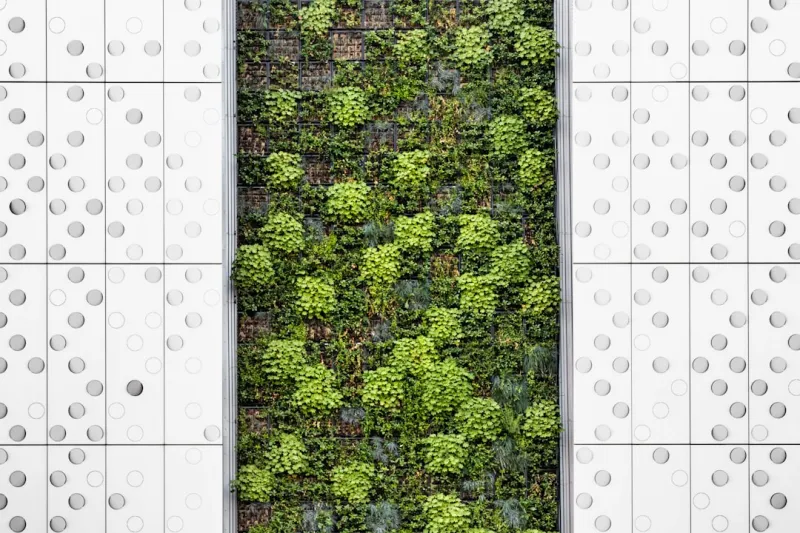
How to create a multi-tiered vertical garden using repurposed pallets and biodegradable materials
Setup & Materials
By Alex • November 15, 2025 • DIY Guide
Creating your own vertical garden can be an incredibly rewarding experience, especially when it combines sustainability with creativity. In this guide, we will walk you through the exciting project of building a multi-tiered vertical garden using repurposed pallets and biodegradable materials. This project is not only eco-friendly but also provides a functional way to grow your favorite flowers, herbs, or vegetables, making use of limited space in your yard, balcony, or terrace.
Why This Project? Vertical gardens are an excellent solution to combat space constraints. With urban living on the rise, many people face challenges related to gardening due to small yards or insufficient ground space. This DIY vertical garden allows you to cultivate plants upwards rather than outwards, optimizing available air and sunlight. Furthermore, using repurposed pallets diverts waste from landfills while biodegradable materials ensure that your garden maintains minimal environmental impact.
Benefits of creating a multi-tiered vertical garden include:
Space Efficiency: Utilize vertical space to grow more plants in a confined area.
Customization: You can tailor your garden to suit your specific needs and preferences, whether it's decorative flowers or practical herbs for cooking.
Easy Maintenance: Vertical gardens are more accessible for watering, pruning, and harvesting, which makes maintaining your plants much easier, especially for those with physical limitations.
Environmental Impact: Using repurposed materials and biodegradable components keeps your gardening practice sustainable, promoting a greener planet.
Skill Level: This project is ideal for beginners with minimal garden or carpentry experience. While some basic tools and techniques are required, step-by-step instructions will guide you through successfully completing your vertical garden.
Tools Needed
1. Saw (Hand saw or Circular saw): Essential for cutting the pallets down to the desired size or removing unwanted sections.
2. Drill with drill bits: For making necessary holes and securing screws; a cordless drill is particularly convenient for mobility.
3. Screwdriver: By having a screwdriver on hand, you will be able to tighten screws easily and make adjustments as needed.
4. Stapler or Staple Gun: Useful for securing landscaping fabric to the pallets. A staple gun will make this step faster and more effective.
5. Measuring Tape: To ensure you cut the pallets to precise dimensions and position them correctly.
6. Gloves: Protect your hands from splinters or sharp edges of the wood.
7. Sandpaper or Sander: For smoothing rough edges of the pallets to prevent injuries.
8. Trowel: Ideal for planting and digging in soil as you fill your vertical garden.
Materials
1. Repurposed Pallets: 2-4 pallets (ensure they are free of chemicals; look for pallets marked HT for heat treated)
2. Biodegradable Landscape Fabric: 1 roll (this will line the inside of your pallets to hold soil)
3. Potting Soil: 2-3 bags (this will provide the nutrients your plants need)
4. Compost: 1 bag (creates an organic growing medium, enhances soil quality)
5. Watering Can or Hose: For easy watering of your vertical garden.
6. Screws: 1 box (to secure the pallets together in a tiered formation)
7. Wood Sealer or Non-toxic Stain (Optional): 1 can (for weatherproofing, ensuring durability)
8. Plants/Seeds: Choose according to your preferences (herbs, vegetables, flowering plants) based on availability and climate.
9. Brackets or L-brackets (Optional): 4-8 brackets, for additional stability if placing the vertical garden against a wall.
10. Plastic Plant Pots or Reusable Containers (optional): If you want to use them instead of filling the whole pallet with soil directly.
Step-by-Step Guide
#### ### Step 1: Gather Your Pallets Start the project by sourcing pallets. You can often find free pallets at hardware stores, wholesale suppliers, or local businesses. Ensure they are intact and in good condition. Check for any toxic chemicals (look for markings like "HT" to indicate they are heat-treated). Select two to four pallets depending on how tall or wide you want your garden. Remember, you'll need enough space for each tier.
Tips: Make sure to ask about the pallets' origins and avoid those that might be chemically treated. Consider avoiding painted pallets since they may have unknown substances.
#### ### Step 2: Prepare the Pallets Once you have your pallets, remove any nails, staples, or broken slats. Use the saw to cut the pallets to your desired height if variations in size are needed. Toward the end, use sandpaper to smooth any rough edges, making it safer to handle.
Safety Tip: Always wear gloves to protect your hands, and goggles if you’re using power tools. Keep your workspace organized to avoid accidents.
#### ### Step 3: Create the Garden Structure Start by laying two of the pallets horizontally to form the base of your vertical garden. Stack the additional pallets on top, securing them in place with screws. If you’re worried about stability, use L-brackets to reinforce the corners. Ensure each tier sits flushed and that the structure is level.
Tips: Consider painting or staining the wood for added durability before assembling. Non-toxic options are best for an eco-friendlier approach.
#### ### Step 4: Line with Biodegradable Landscape Fabric Cut pieces of biodegradable landscape fabric to fit the back and sides of each pallet. Using the staple gun, attach the fabric to the wood, ensuring it is secure yet allows water to drain. This lining keeps soil contained while letting excess moisture escape.
Tip: It's critical to staple down the fabric well. Uneven lining can lead to soil leakage and mess.
#### ### Step 5: Fill with Soil and Compost Now, prepare your potting mix by combining soil and compost. The healthy blend will provide essential nutrients for your plants. Carefully pour this mixture into each pallet tier, packing it firmly but not overly tight, allowing for root growth.
Tip: Leave some space at the top of the pallets to prevent soil from spilling over when watering.
#### ### Step 6: Select & Plant Your Vegetables or Flowers Now it's time to choose your plants! Opt for a variety of herbs, vegetables, or flowers that complement one another and thrive in your climate. Consider vertical growth potential, like climbing peas or trailing flowers. Carefully plant them in the soil, spacing them adequately to promote healthy growth.
Tip: If you’re using seeds, follow the package instructions on depth and spacing. For seedlings, gently tease the roots apart if they’ve become pot-bound before planting.
#### ### Step 7: Watering and Initial Care After planting, thoroughly water your new vertical garden. Ensure each plant receives adequate hydration. For the first few weeks, monitor your garden closely. Water whenever the top inch of soil feels dry.
Tip: A watering can or hose with a spray attachment can help you target specific areas without flooding the entire setup.
#### ### Step 8: Maintain Your Vertical Garden To ensure a thriving environment, regularly check for pests, diseases, and hydration levels. Consider rotating your plants seasonally and cleaning the pallet structure with a damp cloth to prevent mold.
Tip: Use organic fertilizers to keep your plants healthy and feed them as needed throughout the growing season.
Troubleshooting
Even with the best preparations, you might face some challenges during your vertical gardening adventure. Here are some common issues and solutions:
1. Soil Draining Too Quickly: If water runs through your soil immediately, it can hinder plant growth. Ensure your soil has adequate organic content. You could also mix in more compost to enhance water retention.
2. Pests Invading Your Plants: Aphids and snails can quickly ruin your plants. Utilize organic pest-repellent solutions like neem oil or introduce beneficial insects like ladybugs to combat these issues.
3. Mildew or Mold Growth: Excess moisture can lead to fungal problems. Ensure your garden is receiving sufficient sunlight and airflow. Consider reducing watering frequency or improving drainage.
4. Inadequate Plant Growth: If your plants aren’t thriving, assess their sunlight exposure. They may need more direct sun or require additional nutritional support via organic fertilizers.
5. Structural Instability: If your vertical garden feels wobbly after installation, use more screws or brackets for reinforcement. Ensure the base is planted firmly in the ground or secured against a stable wall.
Conclusion
In conclusion, creating a multi-tiered vertical garden using repurposed pallets and biodegradable materials is a fantastic project that combines sustainability and style. Through careful selection of materials and attention to detail in following the steps outlined above, you can cultivate a thriving living wall that beautifies your space and provides fresh produce right from your home.
Feel free to experiment with plant varieties and arrangements to make your garden uniquely yours. Remember, regular maintenance will ensure a flourishing garden that brings joy and satisfaction.