How to create a compact vertical garden using recycled plastic bottles and drip irrigation
Tools Needed
Creating a compact vertical garden from recycled plastic bottles and incorporating a drip irrigation system is a rewarding project that can yield beautiful greenery in limited space. Here are the essential tools you will need for this endeavor:
1. Scissors or Utility Knife - For cutting the plastic bottles, it’s important to have sharp tools to ensure clean cuts for safety and aesthetic.
2. Drill with Drill Bits - A power drill is necessary for making holes for drainage and attaching the bottles. It allows for precision and ease of use.
3. Ruler or Measuring Tape - Accurate measurements are crucial. This will help you gauge the placements of your bottles and irrigation system.
4. Permanent Marker - Useful for marking the points where you need to cut and drill. This will ensure you have clear, visible markings.
5. Wire Cutter/Strippers - If you’re using wire to secure bottles or part of your drip irrigation system, these will be handy to manipulate wire precisely.
6. Nails or Hooks - These can be used to hang or secure the vertical garden to a wall or trellis. Choose corrosion-resistant materials for durability.
7. Pliers - Handy for bending wire or tightening knots while working on your vertical garden.
8. Watering Can or Hose - Essential for the initial watering and maintaining the plants before the drip system is established.
Materials
Gathering your materials is a crucial step. Here’s what you will need:
1. Plastic Bottles - Approximately 15-20 bottles (2-liter size preferred) to create a decent-sized vertical garden.
2. Soil - Around 20 liters of potting mix; make sure it’s light and well-draining to promote healthy root development.
3. Plants or Seeds - Select around 10-15 plants such as herbs (basil, mint) or smaller flowers. Choose plants that thrive in shallow soil.
4. Hose for Drip Irrigation - About 5 meters long, enough to run from your water source to the first bottle in the row.
5. Drippers/Emitters - About 10-15 emitters; these control the flow of water to your plants.
6. Plastic Clips or Ties - Approximately 20-30 clips to hold your drip irrigation hoses in place.
7. Copper Wire or Strong Twine - About 2-3 meters for securely hanging the bottles or tying together structures.
8. Nutrient Supplement - Optional, about 1 kg of slow-release fertilizer to enrich the soil and promote plant growth.
9. Plastic Tray or Container - One, to catch excess water and prevent it from pooling on the ground.
10. Small Stones or Gravel - About 2-3 litres for drainage at the bottom of each bottle to avoid waterlogging.
Introduction
Creating a compact vertical garden using recycled plastic bottles is a fantastic way to merge sustainability with gardening, particularly for those with limited space. This project requires minimal investment and utilizes materials that might otherwise end up in landfills. The vertical aspect of this garden not only enhances the aesthetics of your home or balcony but also allows you to grow fresh herbs, vegetables, or flowers without occupying significant ground space.
The benefits of this type of gardening are immense. They include:
- Environmental Impact: Utilizing recycled materials reduces waste while promoting a greener lifestyle.
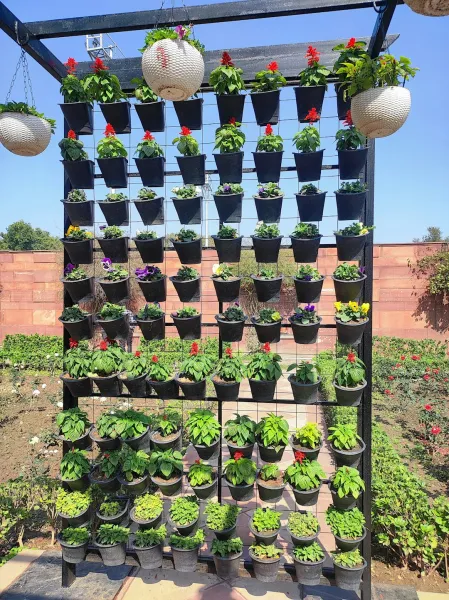
- Space Efficiency: Ideal for apartments, small yards, or urban dwellings where traditional gardening might not be feasible.
- Cost-Effectiveness: Most materials can be sourced inexpensively or for free, making it an economical hobby.
- Educational Experience: Engaging in the creation of a vertical garden is an enriching experience, especially for children, teaching them about plants, sustainability, and responsibility.
- Aesthetic Appeal: A vertical garden can serve as a living art piece, bringing life and color to any space.