How to craft a vertical garden using reclaimed pallets and repurposed containers
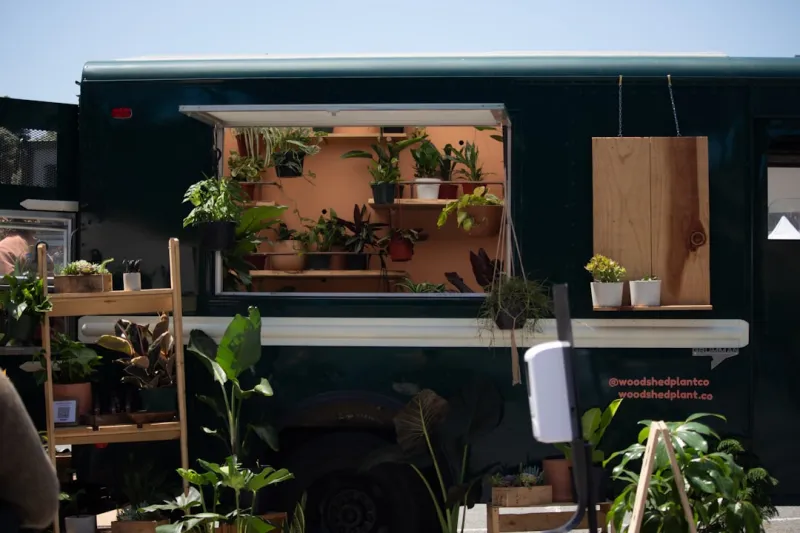
Creating a vertical garden can transform any outdoor or indoor space into a vibrant green oasis, and it is an excellent way to maximize limited space. This DIY project not only delivers stunning visual appeal but also promotes a sustainable lifestyle by using reclaimed pallets and repurposed containers. Vertical gardens are perfect for those living in apartments, small homes, or urban environments where horizontal garden space is limited.
As cities become increasingly urbanized, having a slice of nature becomes essential for mental health and well-being. A vertical garden can become a sanctuary—whether it's loaded with herbs, flowers, or small vegetables that supplement your meals. Using reclaimed materials reduces your carbon footprint and diverts waste from landfills, making this project high in both aesthetic value and environmental benefits.
Skill Level: Beginner Don’t worry if you’re not exactly a DIY guru! This project is designed for beginners and can be accomplished with minimal tools and skills. By the end of this guide, you’ll have a functional and beautiful vertical garden that will impress your friends and enhance your living space. With the right preparation and a little patience, you’ll craft something truly special.
Tools Needed:
- Screwdriver or Drill: Essential for fastening items together and also handy for creating pilot holes in wood.
- Saw: A handsaw or power saw will help you cut the pallets down to the desired size for your vertical garden.
- Sandpaper: For smoothing any rough edges on the pallets to prevent splinters and ensure a clean finish.
- Staple Gun: Used for securing landscape fabric or mesh to the back of the pallet. This will help hold the soil in place while allowing for good drainage.
- Measuring Tape: To ensure the dimensions of your garden fit your available space and meet your design vision.
- Gloves: Protects your hands from splinters and dirt while working with wood and soil.
- Paintbrush and Outdoor Paint or Sealer (optional): If you wish to customize the look of your pallet or protect it from the elements.
- Level: When mounting your vertical garden, using a level will ensure that it hangs straight and securely against a wall.
Materials:
- Reclaimed Wooden Pallet: 1-3 pallets depending on desired size (while maintaining structural integrity).
- Landscape Fabric: 1-2 yards for lining the back of the pallets.
- Soil: Approximately 2-3 bags of potting soil, depending on the size of your garden.
- Plants or Seeds: Choose based on your climate and personal preference; plan for 10-15 individual plants or seed packets.
- Wood Screws: 1 box (1-2 inches) to secure the pallets and any supports together.
- Container Options: 2-5 repurposed containers (e.g., mason jars, old cans, plastic pots) based on what you need for your different plants.
- Drill Bits: A set of drill bits for making drainage holes in containers if required.
- Optional Decor Items: (e.g., paint, stencils) for customizing containers and pallets to suit your style.
1. Gather Your Reclaimed Pallets
The first step is to source reclaimed pallets. You can often find these at local warehouses, grocery stores, or through online marketplaces like Craigslist or Freecycle. Make sure to choose pallets that are structurally sound (no broken boards) and free of chemicals. Look for the “HT” stamp which means they were heat-treated and safe for gardening.
- Tip: Check the condition of the pallets thoroughly. Avoid ones with excessive rot, pesticide treatments, or any strong odors.
- Safety: Always wear gloves to avoid splinters when handling pallets.
2. Prepare Your Pallet
Once you have your pallets, it’s time to clean and prepare them for use. Use a scrubbing brush and soapy water to clean them, removing any dirt, mold, or debris. Once dry, sand down rough areas where splinters may form. This will protect your hands and make your garden look nicer.
- Tip: If the pallet is stained or discolored but you want a rustic look, apply a light sanding lightly to maintain some color.
- Safety: Wear a mask and goggles while sanding to protect your lungs and eyes from dust.
3. Choose a Location
Finding a perfect spot for your vertical garden is crucial. Select a location with sufficient sunlight—most plants need between 6-8 hours of sunlight daily. Make sure the area allows for proper drainage, as excess moisture can kill your plants. The chosen spot should also be easily accessible for watering and maintenance.
- Tip: If your plants don’t thrive in direct sunlight, consider partial shade areas for shade-loving plants.
- Safety: Ensure the surface you're placing the vertical garden on can support its weight when filled with soil.
4. Assemble Your Pallet Garden
With your pallets prepared and the location selected, it’s time to assemble your vertical garden. Start by laying the pallet down on its back and decide if you want it standing upright against a wall or mounted flat against the wall. If upright, it may require additional support.
- Tip: If placing against a wall, secure the edges of the pallet with wood screws into wall studs or use L-brackets for better stability.
- Safety: Make sure to use a level to ensure your pallet is not leaning or unstable.
5. Line Your Pallet
To prevent soil from spilling out and help with drainage, line the back and sides of the pallet using landscape fabric. Staple the fabric to the pallet frame to ensure it stays attached. This will retain the soil while allowing water to escape.
- Tip: Cut holes in the fabric where your plants will go, allowing the plants to extend through.
- Safety: Ensure the staples are not sticking out, as these can snag on clothing or hands.
6. Prepare Your Containers
Now it's time to prep your repurposed containers. If using jars, cans, or plastic containers, clean them thoroughly and drill small holes in the bottom for drainage. When using smaller containers, it's easier to attach them to the pallet either by using wire or screws, depending on the materials.
- Tip: If the containers are metal, consider painting them in bright colors or patterns for a cheerful display.
- Safety: Use protective gloves when drilling to avoid cuts.
7. Fill Containers with Soil
Start filling your containers with potting soil, ensuring that the soil is loose and well-aerated. This step is crucial as it allows for healthy root development. Remember to mix in any slow-release fertilizers as needed for your specific plant choices.
- Tip: Use a moisture-retaining gel in the soil, especially if you live in a particularly dry climate.
- Safety: When filling containers, do so over a drop cloth to catch any spills.
8. Plant Your Choice of Flora
When it comes to the exciting step of planting, choose a diverse selection of plants suitable for your climate. Herbs like basil or mint, colorful flowers such as petunias, or even small vegetables can all thrive in a vertical garden.
- Tip: Place taller plants on the top and shorter plants toward the bottom for aesthetic appeal and to ensure that all plants receive adequate light.
- Safety: Always wash your hands after handling plant soil.
Troubleshooting Common Issues
Even the most well-thought-out plans can run into some issues. Here are five common problems and how to fix them:
1. Plants Wilting or Browning: This often indicates either too much or not enough water. Check the moisture level of the soil. If it feels dry deep down, water thoroughly. Conversely, if it's soggy, consider adjusting your watering schedule.
2. Containers Falling Off: Ensure that you've securely attached your repurposed containers using screws or wire. If they are still falling, consider securing them to the pallet with brackets.
3. Pests or Disease: Inspect your plants regularly and look for signs of pests or disease. If found, remove affected plants and treat the remaining ones with organic pesticides.
4. Drying Out: If your vertical garden dries out too fast, improve the soil’s moisture retention by mixing in organic matter or installing drip irrigation for efficient watering.
5. Inappropriate Plant Choices: If a plant seems not to thrive, consider its light and soil needs. Some plants may require more shade or richer soil; adapt your plants accordingly.
Conclusion
In wrapping up, creating a vertical garden with reclaimed pallets and repurposed containers is a rewarding project that combines sustainability, creativity, and gardening. By repurposing materials, you not only save costs but also contribute positively to the environment.
Explore variations by using different containers, plants suited to your climate, or paint styles for your pallets. Consistent maintenance, such as regular watering and pruning, will ensure your vertical garden thrives in the long run. Embrace the beauty and functionality that such a garden brings to your living space, and share your creation with neighbors and friends!