How to "transform your small space into an eco-friendly urban garden using vertical planter techniques"
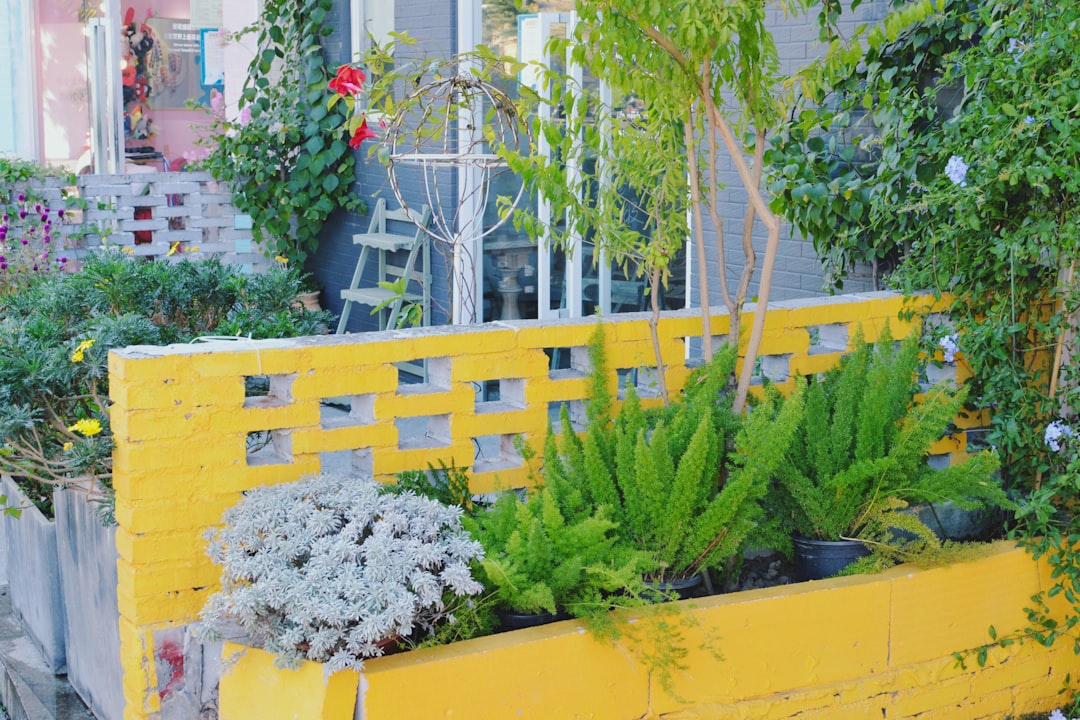
```markdown
Tools Needed
- Drill
- Screwdriver
- Measuring tape
- Level
- Paintbrush
- Safety goggles
- Utility knife
- Garden gloves
Materials
- Vertical planter boxes
- Potting soil
- Seeds or seedlings
- Watering can
- Fertilizer
- Landscape fabric
- Screws or nails
- Hooks or brackets
Introduction
In 2025, as urban living spaces shrink and the demand for sustainable practices rises, transforming a small area into an eco-friendly urban garden is both a practical and rewarding endeavor. Vertical planter techniques offer an excellent solution for maximizing limited space while allowing city dwellers to enjoy the beauty and benefits of gardening. This project is not only beginner-friendly but also provides a sense of accomplishment and connection to nature, which can be especially therapeutic in bustling urban environments.Creating a vertical garden can help improve air quality, reduce stress, and provide fresh produce or herbs at your fingertips. Moreover, it promotes biodiversity and can even attract beneficial insects to your space. The step-by-step guide outlined here will walk you through the process of creating your very own vertical garden, from gathering tools and materials to planting and maintaining your greenery. By following these clear instructions, you can achieve a stunning and functional green space that contributes positively to your urban environment.
Step 1: Choose the Right Location
The first step in creating your vertical garden is to identify the best location. Look for a spot that receives adequate sunlight—most plants require at least 6 hours of sunlight daily. Consider areas near a wall, balcony, or fence that can support your vertical planters. Ensure the location is accessible for watering and maintenance. Additionally, check for any overhanging branches or structures that may cast shadows on your plants. Once you’ve selected an ideal spot, use a measuring tape to mark the dimensions of your garden area, keeping in mind the height and width of the planter boxes you plan to use.
Step 2: Gather Your Materials
With your location chosen, it’s time to gather all necessary materials. Vertical planter boxes come in various styles, such as wall-mounted or freestanding, so choose what suits your space best. Ensure you have high-quality potting soil that provides good drainage and nutrients for your plants. Select seeds or seedlings based on your preferences and the climate in your area. You will also need a watering can for easy irrigation and fertilizer to give your plants an extra boost. Don’t forget landscape fabric, screws or nails, and hooks or brackets to secure your planters to the wall or support structure.
Step 3: Prepare the Planter Boxes
Before planting, prepare your planter boxes. If they are made of wood, consider applying a non-toxic sealant or wood preservative to extend their life, especially if they will be exposed to the elements. Use a paintbrush to evenly apply the sealant, making sure to cover all surfaces. For plastic or metal planters, ensure they are clean and free of any contaminants. If your planter boxes do not have drainage holes, use a utility knife to create several holes at the bottom. This is crucial for preventing root rot and ensuring healthy plant growth.
Step 4: Assemble the Vertical Planters
Once your planter boxes are prepared, it’s time to assemble them. If using wall-mounted planters, use a level and measuring tape to ensure they are evenly spaced and aligned. Mark the positions of the screws or nails on the wall, then drill pilot holes to prevent the wall from cracking. Secure the planters using screws or nails, ensuring they are sturdy enough to hold the weight of the soil and plants. For freestanding planters, follow the manufacturer's instructions for assembly and ensure they are stable on the ground.
Step 5: Add Landscape Fabric
To improve drainage and prevent soil loss, line the interior of your planter boxes with landscape fabric. Cut the fabric to fit the dimensions of each box, leaving some excess to fold over the edges. Staple or secure the fabric in place to ensure it stays put when you add soil. This step is essential for maintaining healthy roots and preventing weeds from growing through the soil. Ensure the fabric is breathable so that it allows moisture to escape while retaining soil.
Step 6: Fill with Potting Soil
Now that your planters are lined with landscape fabric, it’s time to fill them with potting soil. Use a quality potting mix that is light and well-draining. Fill each box, leaving about an inch of space from the top to prevent soil from spilling out during watering. Gently pat down the soil to eliminate air pockets but avoid compacting it too tightly, as this can hinder root growth. If you’re using multiple planter boxes, consider mixing different types of soil or fertilizers to enhance growth.
Step 7: Plant Your Seeds or Seedlings
With the soil in place, it’s time to plant! Depending on the types of plants you’ve chosen, follow the instructions on seed packets or consult a planting guide for seedlings. Make small holes in the soil using your fingers or a tool, then gently place the seeds or seedlings into the holes. Cover them lightly with soil and ensure they are spaced adequately for growth. If you’re planting multiple varieties, consider companion planting techniques that enhance growth and deter pests.
Step 8: Water and Fertilize
After planting, thoroughly water your vertical garden to help the soil settle around the roots. Be cautious not to overwater, especially if drainage is limited. A watering can with a narrow spout will help you reach plants in tight spaces. Depending on the type of plants you’ve chosen, apply a suitable fertilizer according to the instructions on the package. This will provide essential nutrients and promote healthy growth. Regularly check the moisture levels in the soil and adjust your watering schedule as needed.
Step 9: Maintain Your Urban Garden
Maintaining your vertical garden is crucial for its success. Regularly check for pests and diseases, and remove any dead or yellowing leaves to keep plants healthy. Ensure your plants receive adequate sunlight and water, adjusting as seasons change. You may also need to prune or pinch back growth to encourage bushier plants and prevent overcrowding. Fertilize every few weeks during the growing season to keep your plants thriving.
Step 10: Enjoy and Harvest
As your plants grow, take the time to enjoy your urban garden! Regularly check for ripe fruits, vegetables, or herbs, and harvest them at their peak for the best flavor. Share your bounty with friends or neighbors, or incorporate fresh produce into your meals. Take pride in your green oasis amid the urban landscape, and consider experimenting with new plants or designs for future seasons.

Troubleshooting
- Problem 1: Plants are wilting. Solution: Check the soil moisture; too much or too little water can cause wilting. Adjust your watering schedule accordingly, ensuring the soil is moist but not soggy.
- Problem 2: Leaves are yellowing. Solution: Yellow leaves can indicate nutrient deficiency or overwatering. If the soil is too wet, reduce watering; if the soil is dry, consider applying fertilizer to provide nutrients.
- Problem 3: Pests are infesting plants. Solution: Inspect plants regularly for signs of pests. Use organic pest control methods, such as neem oil, or introduce beneficial insects like ladybugs to combat pests naturally.
- Problem 4: Plants are not growing. Solution: Ensure your plants are in a location with adequate sunlight and check that they are not overcrowded. If they are root-bound, consider repotting them into larger containers.
- Problem 5: Soil is eroding from the planters. Solution: Ensure that the landscape fabric is properly secured and that there are enough drainage holes. You might also need to add more soil to compensate for erosion.
- Problem 6: Planters are unstable. Solution: Check that the planters are securely fastened to the wall or support structure. If freestanding, ensure the base is level and stable, and consider adding weight to the bottom for additional support.
Conclusion
Transforming your small space into an eco-friendly urban garden using vertical planter techniques is a fulfilling and sustainable project that can enhance your living environment. By following the steps outlined in this guide, even beginners can create a thriving green oasis that not only beautifies their space but also contributes to a healthier ecosystem. Don’t hesitate to experiment with different plants, designs, or layouts as you gain confidence in your gardening skills. Whether you’re growing herbs for cooking or simply enjoying the aesthetic of greenery, your vertical garden will be a testament to your creativity and commitment to sustainability.```