How to How to Create a Sustainable Vertical Garden Using Recycled Wood Pallets and Eco-Friendly Soil Mixes
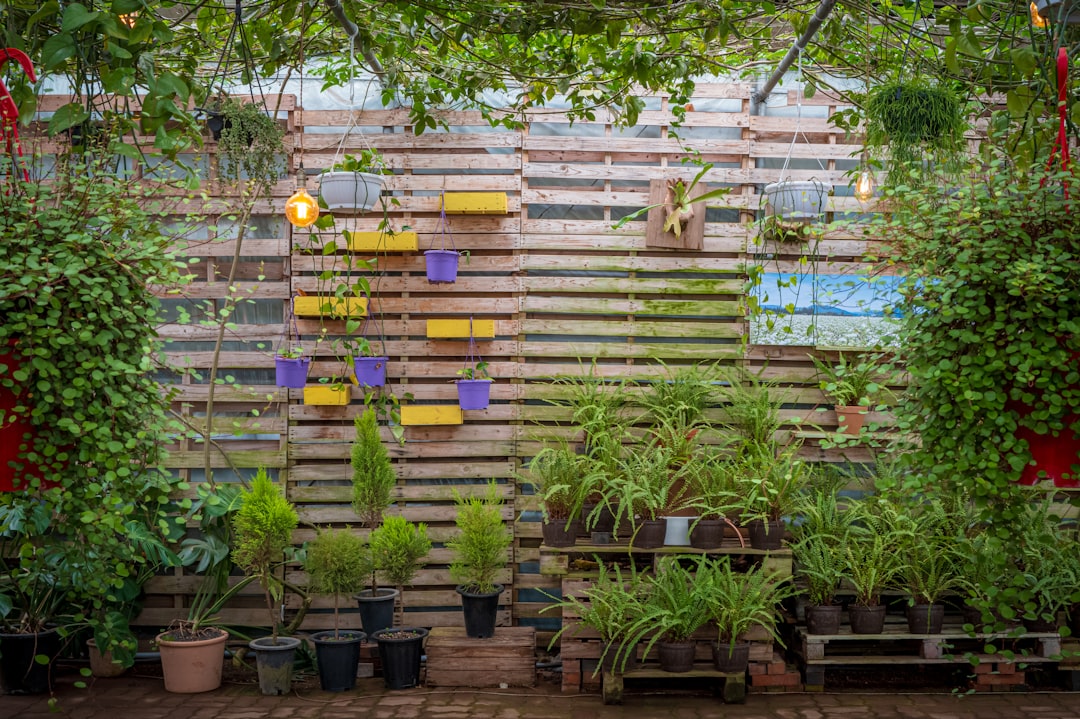
Tools Needed
- DeWalt Drill
- Measuring Tape
- Screwdriver Set
- Safety Gloves
- Sandpaper or Electric Sander
- Level
- Paintbrush (for staining or sealing)
- Trowel
Materials
- Recycled wood pallets
- Eco-friendly soil mix
- Landscape fabric
- Plants of your choice (herbs, vegetables, flowers)
- Wood screws
- Wood sealant or exterior paint
- Cotton rope or wire for support
- Plastic or metal brackets (for securing the pallets)
Introduction
Creating a vertical garden is an excellent way to embrace sustainable living while maximizing space, especially in urban environments. In 2025, with the rising emphasis on eco-friendly practices, establishing a vertical garden using recycled materials such as wood pallets is not only trendy but also beneficial for the environment. This DIY project is perfect for beginners due to its simplicity and affordability. You can transform discarded pallets into a beautiful garden feature without extensive gardening knowledge.Vertical gardens offer numerous benefits, including improved air quality, increased biodiversity, and a stunning visual impact that can enhance your home’s aesthetic. Plus, by using upcycling techniques, you contribute to a zero-waste lifestyle, reducing landfill waste and promoting sustainability. The estimated costs are relatively low, often requiring only a few tools and materials that you may already have at home.
With a little creativity and effort, you can create a thriving vertical garden that serves as a source of fresh herbs or vegetables, making it a rewarding endeavor for anyone looking to live more sustainably. Let's dive into the step-by-step process of building your own vertical garden with recycled wood pallets and eco-friendly soil mixes.
Step 1: Gather Your Materials and Tools
Before you start, ensure you have all the necessary tools and materials ready. This step is crucial for a smooth workflow. Safety should be your priority, so wear gloves to protect your hands from splinters and sharp edges. When choosing wood pallets, make sure they are free from chemicals; look for pallets marked with "HT" (heat-treated) instead of "MB" (methyl bromide treated).
Pro Tip: Measure your space carefully before cutting or modifying the pallets. Common mistakes include miscalculating dimensions, leading to an unstable structure. A level will help ensure that your garden is even, which is essential for proper drainage and plant growth.
Step 2: Prepare the Wood Pallets
Begin by sanding the wood pallets to remove any rough edges or splinters. This step not only improves safety but also enhances the overall appearance of your vertical garden. Use sandpaper or an electric sander for efficiency. Once sanded, apply a coat of wood sealant or eco-friendly paint to protect the wood from moisture and pests.
Common Mistake: Rushing through this step can lead to a poorly finished product. Take your time to ensure all surfaces are adequately prepared. A well-finished pallet will last longer and provide a better home for your plants.
Step 3: Assemble the Vertical Structure
Decide on the layout of your vertical garden. You can stack the pallets on top of each other or lean them against a wall. To secure the pallets, use wood screws to attach them together. If you are using multiple pallets, ensure they are level and stable.
Safety Tip: Always work with a partner when lifting and positioning heavy pallets. This will help prevent injuries and ensure that the structure is stable.
Step 4: Attach Landscape Fabric
Once your structure is sturdy, it's time to line the back and sides of the pallets with landscape fabric. This fabric serves to hold the soil in place while allowing for drainage. Staple or nail the fabric securely to prevent it from sagging.
Pro Tip: Ensure the fabric is high-quality and durable to withstand the weight of the soil and plants. This step is essential for preventing soil erosion and promoting healthy drainage, which is vital for plant health.
Step 5: Fill with Eco-Friendly Soil Mix
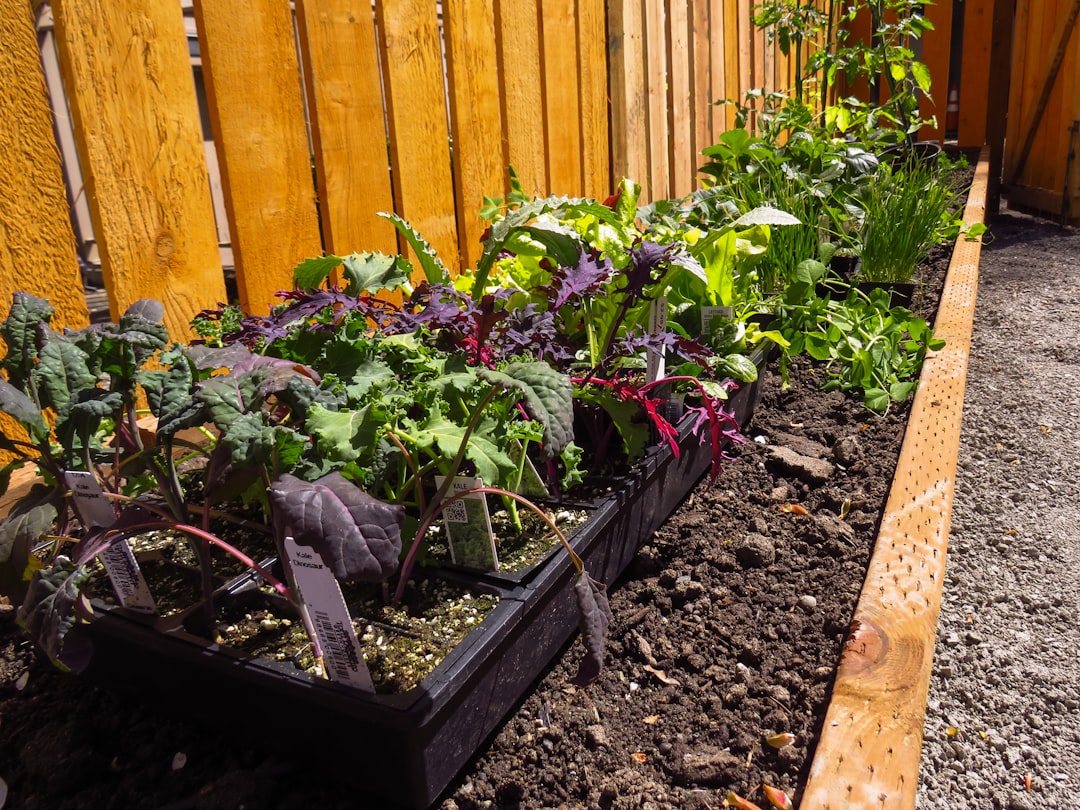
Select an eco-friendly soil mix that suits the plants you intend to grow. A good mix promotes drainage while retaining moisture. Fill each section of the pallet with the soil mix, leaving some space at the top for planting.
Common Mistake: Overpacking the soil can lead to poor drainage. Ensure you fill it loosely to allow air circulation and prevent root rot.
Step 6: Plant Your Chosen Flora
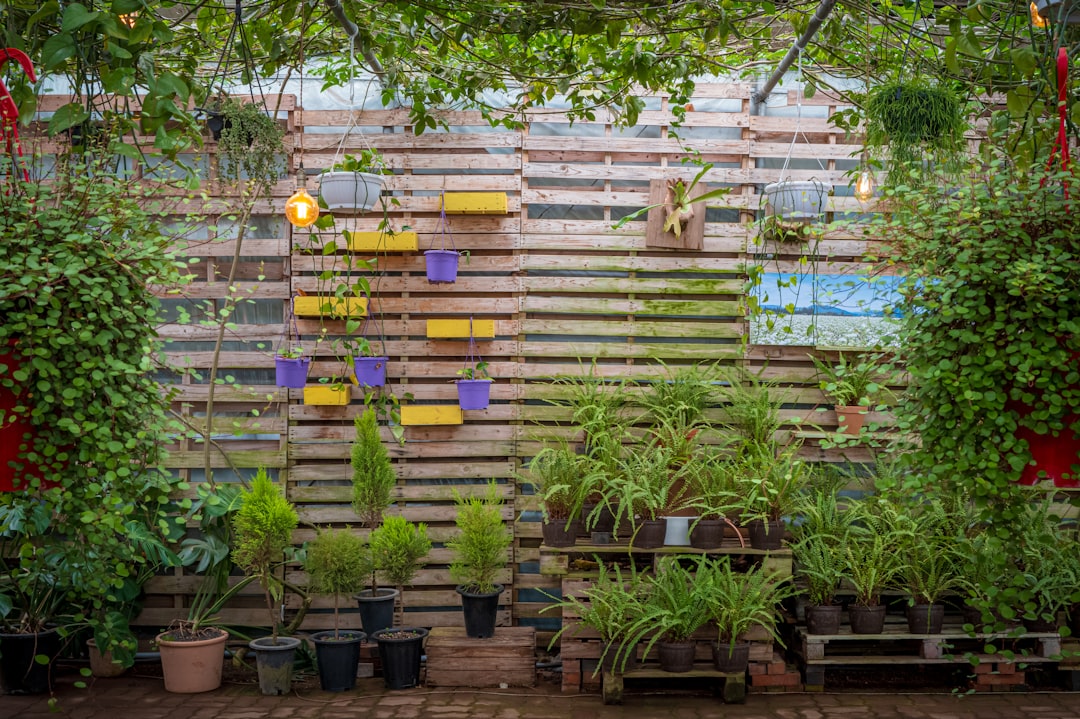
Now comes the exciting part—planting! Choose plants that thrive in vertical gardens, such as herbs, succulents, or cascading flowers. Make sure to consider sunlight and water requirements. Plant taller species at the top and trailing plants at the bottom for visual appeal.
Pro Tip: Water your plants thoroughly after planting. This helps settle the soil and provides your new plants with the moisture they need to establish their roots.
Step 7: Watering and Maintenance
Establish a regular watering routine, keeping in mind that vertical gardens may require more frequent watering due to increased exposure to sunlight. Monitor the moisture levels in the soil, and adjust your watering schedule as needed.
Safety Tip: Be cautious while watering, especially if your vertical garden is elevated. Use a watering can with a long spout for accuracy and to prevent spills.
Step 8: Adding Support for Climbing Plants
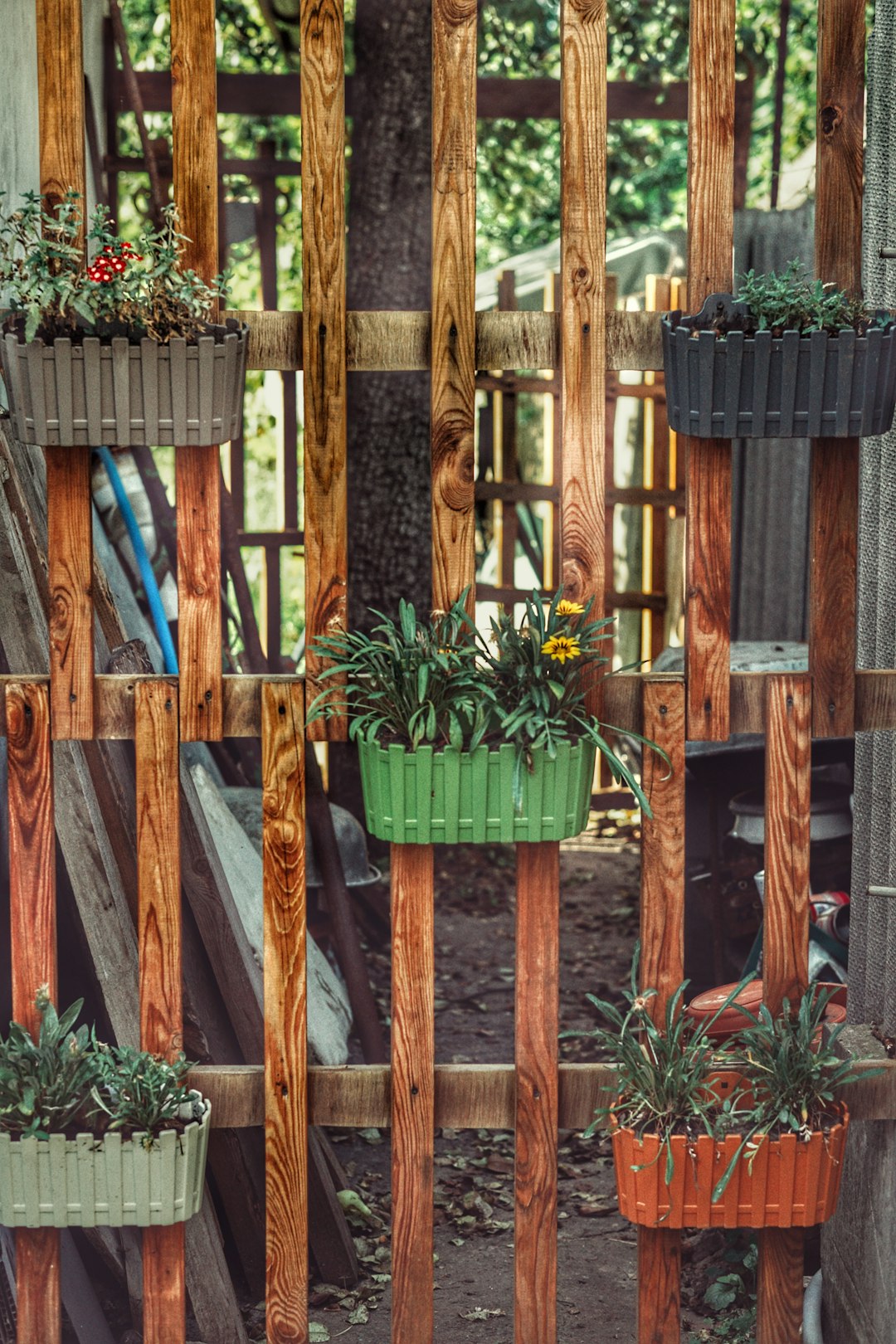
If you plan to grow climbing plants like peas or cucumbers, install support systems such as cotton rope or wire. Attach these supports vertically to provide a structure for the plants to climb.
Common Mistake: Not adding support in time can lead to sprawling plants that become heavy and may damage the structure. Plan ahead for the growth of your plants.
Step 9: Fertilization and Pest Control
To maintain healthy growth, consider using organic fertilizers. Regularly check for pests and diseases, especially in a vertical garden where airflow can be limited. Natural pest control methods, such as introducing beneficial insects or using neem oil, can help keep pests at bay.
Pro Tip: Rotate your plants each season to promote soil health and prevent pest infestations. This can lead to a more vibrant and productive garden over time.
Step 10: Enjoy and Harvest
As your plants grow, enjoy the fruits of your labor! Regularly harvest herbs and vegetables, which will encourage further growth. Share your bountiful harvest with friends and family or use them in your cooking.
Common Mistake: Forgetting to harvest can lead to overripe produce. Keep an eye on your plants and enjoy the rewards of your vertical garden!
Troubleshooting
Creating a vertical garden is a rewarding experience, but you might encounter some challenges along the way. Here are common issues and their solutions:
- Problem 1: Soil erosion from heavy rains. Solution: Ensure your landscape fabric is properly secured and consider adding a layer of mulch on top of the soil to retain moisture and prevent erosion.
- Problem 2: Plants wilting or dying. Solution: Check for overwatering or underwatering by assessing soil moisture. Adjust your watering schedule accordingly, and ensure proper drainage.
- Problem 3: Pests infesting your plants. Solution: Implement natural pest control methods, such as introducing ladybugs or using neem oil. Regularly inspect your plants for signs of infestation.
- Problem 4: Plants not thriving. Solution: Reassess your plant choices. Ensure they are suited to the amount of sunlight your vertical garden receives. Consider relocating plants that need more light.
- Problem 5: Structure instability. Solution: Reinforce the pallets with additional screws or brackets if you notice wobbling. Regularly check for wear and tear.
- Problem 6: Limited access for maintenance. Solution: Plan your vertical garden layout to allow easy access to all plants. Consider using a tiered design to maximize space while keeping maintenance simple.
- Problem 7: Soil compaction. Solution: Periodically loosen the soil around your plants to promote aeration. This helps roots grow and absorb nutrients more effectively.
Conclusion
Creating a sustainable vertical garden using recycled wood pallets and eco-friendly soil mixes is not only a fun and engaging project but also a significant step towards sustainable living. By upcycling materials, you contribute to a zero-waste lifestyle while enjoying the myriad benefits of gardening.Remember, this guide serves as a foundation. Feel free to get creative with your design, experimenting with different plants and layouts. As you gain experience, consider scaling up your project or even involving friends and family in future builds. Share your journey and inspire others to embrace eco-friendly practices in their homes.
For more DIY projects, consider exploring topics like creating a compost bin for beginners or building a rainwater collection system to further enhance your sustainable living efforts.
FAQ
- What is the estimated cost and time for creating a sustainable vertical garden using recycled wood pallets and eco-friendly soil mixes? The estimated cost can range from $50 to $150, depending on material availability and plant choice. The project typically takes 2-3 days to complete, including preparation, assembly, and planting.
- Is creating a sustainable vertical garden using recycled wood pallets and eco-friendly soil mixes suitable for renters? Yes! Vertical gardens are an excellent option for renters as they can be freestanding or mounted on walls, making them easy to remove without damaging the property.
- What types of plants work best in a vertical garden? Herbs, small vegetables, trailing flowers, and succulents are ideal for vertical gardens. Choose plants that have similar light and water requirements for best results.
- Can I use any type of wood pallets? It's best to use heat-treated pallets (marked "HT") to avoid harmful chemicals. Avoid pallets that have been treated with methyl bromide (marked "MB") as they can be toxic.
- How often should I water my vertical garden? Watering frequency depends on the plants and climate. Generally, check the soil moisture daily and water when the top inch feels dry.
- What should I do in winter? In colder climates, consider bringing potted plants indoors or protecting the vertical garden with frost cloth. Some plants may not survive harsh winters, so plan accordingly.
- How can I make my vertical garden more visually appealing? Mix various plant types, colors, and sizes to create visual interest. Adding decorative elements like garden art or fairy lights can enhance the aesthetic appeal of your vertical garden.