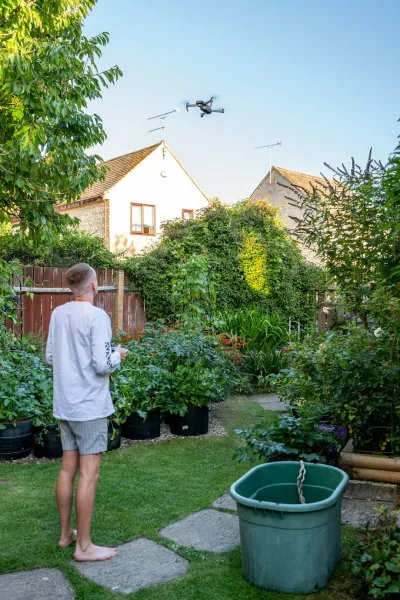
How to "how to create your own sustainable backyard garden"
Setup & Materials
By Alex • November 12, 2025 • DIY Guide
Creating a sustainable backyard garden is not just an eco-friendly choice, but also a rewarding adventure that can bring you closer to nature, provide fresh produce, and reduce your carbon footprint. Imagine stepping into your own lush oasis, filled with fragrant herbs, vibrant vegetables, and perhaps even a few delightful fruits. Developing a sustainable garden allows you to cultivate a habitat that works in harmony with the environment, benefiting both you and the local ecosystem.
In this guide, we'll take you through the entire process from conception to harvest. You don’t have to be a seasoned gardener; with the right tools, materials, and a little enthusiasm, starting your own sustainable backyard garden is entirely within reach. We will walk you through each step, ensuring you have a successful and fulfilling gardening experience. Whether you have a small balcony or a spacious backyard, these sustainable practices can adapt to fit your space. It’s time to dig into this green adventure, transforming your backyard into a sustainable gardening sanctuary!
Tools Needed
Hand Trowel: Essential for digging, planting, and moving soil.
Garden Rake: Useful for leveling soil and breaking up clumps.
Pruning Shears: Ideal for trimming plants and harvesting.
Watering Can or Hose: Necessary for watering your plants efficiently.
Gloves: Protect your hands while working in the soil.
Compost Bin: A key tool for creating nutrient-rich compost from kitchen waste and garden debris.
Pallets or Wooden Frames: Useful for raised garden beds if you choose to build them.
Soil Testing Kit: Helps to analyze soil quality and pH levels for optimum plant growth.
Materials
Seeds or Seedlings: Choose native plants, vegetables, and herbs that thrive in your climate.
Organic Soil: A good quality, organic potting mix or garden soil helps your plants grow.
Mulch: Organic materials like straw, leaves, or wood chips to retain moisture and suppress weeds.
Compost: Homemade or store-bought compost enriches the soil with nutrients.
Natural Fertilizers: Such as fish emulsion or seaweed extract to boost plant growth.
Native Plants: These require less water and less maintenance and attract beneficial insects.
Watering System: Drip irrigation or soaker hoses to minimize water waste.
Trellis or Cage: For support if you grow climbing plants like tomatoes or beans.
Bee Houses and Bird Feeders: Encourage pollinators and beneficial wildlife into your garden.
Organic Pest Control Products: Such as neem oil or insecticidal soap for maintaining pest control without chemicals.
Step-by-Step Guide
#### ### 1. Plan Your Garden Layout Decide where you want to establish your garden and how much space you can dedicate. Consider sunlight, access to water, and soil quality. Sketch a simple layout, noting which plants you want where.
#### ### 2. Choose the Right Plants Opt for seeds or seedlings suited to your climate and space. Select a mix of perennials and annuals, as well as some native plants, which are resilient and support local wildlife.
#### ### 3. Test Your Soil Use a soil testing kit to check pH levels and nutrient content. This will help you amend your soil appropriately, ensuring it provides a strong foundation for your plants.
#### ### 4. Prepare the Soil Clear weeds, grass, and debris from your chosen area. Using a hand trowel and rake, loosen the soil, mixing in compost and organic fertilizers to create a nutrient-rich base for planting.
#### ### 5. Create Garden Beds Depending on your preference, you can opt for in-ground rows, raised beds, or container gardens. If building raised beds, use pallets or wooden frames made from untreated wood.
#### ### 6. Plant Your Seeds or Seedlings Follow plant spacing guidelines and depth recommendations for each variety. If you’re using seeds, plant them in neat rows or clusters; for seedlings, create holes in the soil and place them gently inside.
#### ### 7. Watering and Mulching Water thoroughly after planting, ensuring moisture reaches the root zone. Follow up with a layer of mulch to conserve moisture, suppress weeds, and regulate soil temperature.
#### ### 8. Maintain Your Garden Regularly check your plants for pests, weeds, and diseases. Pruning shears will be handy for trimming dead leaves and encouraging growth. Water your garden regularly, using a soaker hose or a drip irrigation system for efficiency.
#### ### 9. Implement Companions Use companion planting techniques where certain plants benefit each other. For instance, tomatoes can thrive alongside basil, which helps deter pests, while providing more flavor to your tomatoes.
#### ### 10. Harvest and Enjoy! As your plants grow, monitor their maturity. Harvest fruits and vegetables when ripe to encourage further production. Utilize your fresh produce in meals or share with friends and neighbors!
Troubleshooting
As you embark on your sustainable gardening journey, you may encounter some challenges. Common issues include pest infestations, weeds, and nutrient deficiencies. If pests appear, try using organic solutions like neem oil or introduce beneficial insects, such as ladybugs. To tackle weeds, regularly check your garden and pull them out by hand; mulching can help in suppressing their growth. For nutrient deficiencies, revisit your soil composition and consider adding more organic matter or appropriate natural fertilizers. Remember that gardening is a learning experience, and patience is key—sometimes the best solutions come with time and observation.
Conclusion
Creating your own sustainable backyard garden might seem overwhelming initially, but by following these steps, you can cultivate an earthy paradise that’s beneficial for you and the planet. Remember that the key to a thriving garden lies in understanding your specific conditions, selecting the right plants, and following sustainable practices. Enjoy the process, connect with nature, and take pride in reaping the benefits of your hard work. You’re not just growing a garden; you’re contributing to the health of your local ecosystem while enhancing your wellbeing. Happy gardening!