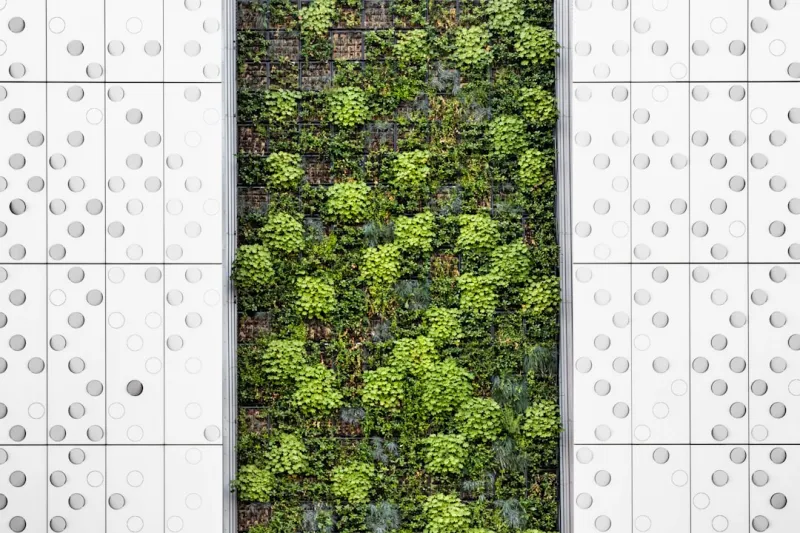
How to "how to create a sustainable vertical garden for small spaces 2025"
Setup & Materials
By Alex • November 12, 2025 • DIY Guide
Introduction
As urban living becomes increasingly popular, the scarcity of outdoor space poses a significant challenge for gardening enthusiasts. However, vertical gardening presents a creative and sustainable solution for those living in apartments or homes with limited ground space. In 2025, innovative techniques and eco-friendly materials have made vertical gardens more accessible than ever. A sustainable vertical garden not only beautifies your living area but also offers numerous benefits, including improved air quality and the availability of fresh herbs or vegetables right at your doorstep.
In this guide, we will take you through the step-by-step process of creating your own sustainable vertical garden, tailored for small spaces. Whether you're a complete beginner or someone with a bit of gardening experience, our comprehensive instructions, along with troubleshooting tips, will help you achieve a lush, thriving vertical garden. By incorporating local resources and eco-friendly practices, you can cultivate a green space that harmonizes with your surroundings while contributing positively to the environment. Let’s get started!
Tools Needed
Gardening gloves
Hand trowel
Level
Measuring tape
Drill
Screwdriver
Watering can or hose
Scissors or pruning shears
Materials
Vertical garden frame (wood, metal, or plastic)
Potting soil (preferably organic)
Nutrient-rich compost
Plant selection (herbs, vegetables, or flowers)
Plant pots or containers (if applicable)
Landscape fabric or breathable plastic sheets
Support strings or trellis (for climbing plants)
Watering system (drip irrigation or self-watering containers)
Mulch (cocoa hulls, wood chips, or straw)
Fertilizer (organic)
Step-by-Step Guide to Creating Your Vertical Garden
Step 1: Choose a Suitable Location
Identify a location for your vertical garden that receives at least 6 hours of sunlight per day. This could be on a balcony, patio, or even a sunny wall indoors. Ensure that the area is easily accessible for maintenance and watering.
Step 2: Determine the Size and Design
Measure the available space using your measuring tape and determine the dimensions for your vertical garden. Sketch a design that suits your needs—consider whether you want a simple frame or a more intricate structure. Keep in mind how you want to arrange the plants, with taller plants on the bottom and shorter plants at the top.
Step 3: Select Your Materials
Gather materials based on the design you've chosen. Purchase a vertical garden frame, which could be made from wood or recycled plastic, and gather soil, compost, and plants. Ensure that your selected frame is sturdy enough to support the weight of soil and plants when fully grown.
Step 4: Prepare the Vertical Garden Frame
If your vertical garden frame comes in pieces, assemble it according to the manufacturer's instructions. Use a level to ensure everything is straight. If necessary, drill pilot holes to secure brackets or shelf supports.
Step 5: Install Landscape Fabric
Cut and attach landscape fabric or breathable plastic sheets to the back of your vertical garden frame. This will help retain moisture and prevent soil from falling out while still allowing for drainage.
Step 6: Fill with Soil and Compost
Mix potting soil with nutrient-rich compost and fill your vertical garden frame with this mixture. Leave enough space at the top for planting. Ensure that the soil is packed firmly but leaves some air pockets for plant roots to grow.
Step 7: Plant Your Chosen Plants
Dig holes in the soil to accommodate your plants. If using pots, place them in their designated slots. Arrange plants according to their size, placing taller plants at the bottom and smaller ones at the top, ensuring that each plant has enough space to grow.
Step 8: Set Up a Watering System
Depending on your preference or the water requirements of your plants, set up a watering system. Consider using self-watering containers or a drip irrigation system to ensure consistent watering without daily effort. If opting for hand watering, keep a watering can or hose nearby.
Step 9: Mulch and Fertilize
Apply a layer of mulch on top of the soil to retain moisture, suppress weeds, and regulate temperature. Additionally, add an organic fertilizer according to the needs of your plants to encourage healthy growth.
Step 10: Maintenance and Care
Establish a routine for caring for your vertical garden. Regularly check for pest infestations, trim dead leaves, water your plants as needed, and reapply fertilizer every few months. Your vertical garden can thrive with consistent attention!
Troubleshooting Tips
Creating a vertical garden can be rewarding, but like any gardening project, you may encounter challenges. If you notice that your plants are drooping, this could be a sign of overwatering or underwatering—check the soil moisture level! If you notice yellowing leaves, this might indicate nutrient deficiency or over-fertilization. Ensure you follow packaging instructions for fertilizer. For pest control, use natural remedies or introduce beneficial insects, which can help keep your garden healthy. Finally, remember to adjust your watering schedule based on seasonal changes, as your plants might need more or less water as temperatures shift.
Conclusion
Creating a sustainable vertical garden is an engaging and eco-friendly way to enhance your living space, especially in urban environments where outdoor areas are limited. With careful planning and execution, you’ll cultivate a beautiful vertical garden that provides not only aesthetic pleasure but also homegrown herbs, vegetables, or vibrant flowers. Embrace this opportunity to connect with nature, contribute to environmental sustainability, and enjoy the fruits of your labor right at home.
Through this guide, you have learned to choose the right location, design, and materials for your vertical garden. Follow the step-by-step instructions, remain consistent in your care, and watch your garden flourish. Happy gardening!