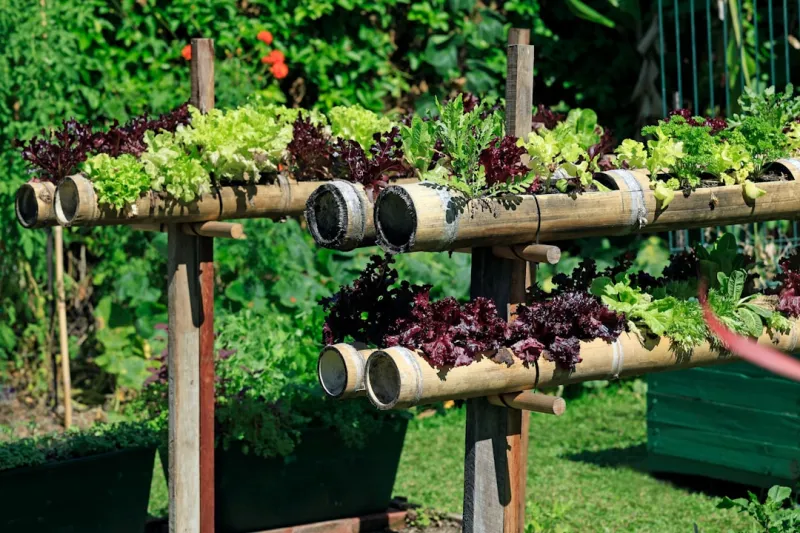
How to "how to create a sustainable vegetable garden at home"
Setup & Materials
By Alex • November 12, 2025 • DIY Guide
Creating a sustainable vegetable garden at home is not just a rewarding project but a significant step towards reducing your carbon footprint and ensuring access to fresh, organic produce. Growing your own vegetables allows you to control what goes into your food, providing you with an opportunity to eliminate pesticides and chemicals while engaging in a fulfilling pastime. Furthermore, vegetable gardening can enhance biodiversity in your backyard, attract beneficial insects, and promote healthy ecosystems.
Whether you have a sprawling backyard or a small balcony, it’s possible to cultivate your vegetable garden sustainably with some careful planning and a little effort. In this guide, we’ll provide you with clear steps to establish your vegetable garden, focusing on sustainability practices that respect the environment and foster healthy plant growth. Let’s get started on your path to having a productive and eco-friendly vegetable garden right at home!
Tools Needed
Gathering the right tools will make your gardening experience smoother and more enjoyable. Here’s a list of essential tools you will need:
Hand Trowel: For digging, planting, and transplanting seedlings.
Garden Fork: Useful for breaking up soil and aerating garden beds.
Pruning Shears: For trimming plants and harvesting vegetables.
Watering Can or Hose: Essential for watering plants, especially in dry spells.
Garden Gloves: Protect your hands from dirt and thorns while gardening.
Rake: Great for leveling soil and managing leaves or debris.
Compost Bin: To create nutrient-rich compost from kitchen scraps and garden waste.
Garden Spade: For turning soil and digging larger holes.
Materials
Your gardening project will require several materials to ensure a successful setup. Here’s a checklist of what you need:
Seeds or Seedlings: Choose a variety of vegetables suited to your climate and preferences.
Organic Soil: High-quality, organic potting soil or garden mix that encourages plant growth.
Mulch: Straw, wood chips, or grass clippings to retain moisture in the soil and suppress weeds.
Compost: To enrich your soil and provide nutrients to your plants.
Plant Markers: Helps identify your plants as they grow.
Row Covers: Protects young plants from pests and variable weather.
Watering System: Consider drip irrigation or soaker hoses for efficient watering.
Fencing (optional): To protect your garden from animals and pests.
Natural Pest Deterrents: Such as neem oil or diatomaceous earth.
Step-by-Step Guide
1. Choose the Right Location
Select a sunny spot in your yard or balcony that receives at least 6-8 hours of direct sunlight daily. Check the soil drainage as well—avoid areas that stay soggy.
2. Prepare the Soil
Clear the area of weeds and debris. Use a garden fork to break up the soil and mix in organic compost. Aim for a loose, well-draining structure that’s rich in nutrients.
3. Plan Your Garden Layout
Decide which vegetables you want to plant. Create a plan that includes row spacing, companion planting (a technique where specific plants benefit each other), and crop rotation strategies for the future.
4. Start Planting
Follow the instructions on seed packets for planting depth and spacing. For seedlings, carefully remove them from their pots and plant them at the appropriate depth in the amended soil. Water gently after planting.
5. Mulch Your Garden
Apply a layer of organic mulch around your plants. This will help retain moisture, suppress weeds, and add organic matter to the soil as it breaks down.
6. Water Wisely
Water your garden early in the morning or late in the evening to minimize evaporation. Check the soil moisture regularly—avoid over-watering as this can harm your plants.
7. Maintain Your Garden
Regularly check for weeds and pests. Hand-pull weeds and consider using natural pest deterrents. Add compost throughout the growing season to nourish your plants.
8. Harvest Your Crops
Harvest vegetables when they are ripe to encourage continued production. Many vegetables will produce more if picked regularly. Compost any leftover plant material to enrich your soil.
9. Practice Crop Rotation
Plan your planting for the next season by rotating crops. This helps prevent soil depletion and reduces the risk of pests and diseases that thrive on specific plant families.
10. Keep Learning
Join a local gardening group or online community. Share your experiences, ask questions, and learn from the successes and challenges of other gardeners.
Troubleshooting
Even the best-laid plans can face challenges. Common issues include pest infestations, wilting plants, or poor soil quality. If you notice pests, consider introducing beneficial insects like ladybugs or using insecticidal soap. If your plants begin to wilt, check for adequate watering or root rot caused by overwatering. Soil quality can often be improved through the regular addition of compost and organic matter, ensuring your plants remain healthy. Keep an eye on your plants and respond to their needs!
Conclusion
Establishing a sustainable vegetable garden may require time and effort initially, but the outcome is rewarding—both in a bountiful harvest and in supporting the environment. By following the steps outlined in this guide, you can cultivate a thriving garden filled with nutritious vegetables, all while embracing eco-friendly practices. Enjoy the journey of growing your own food, experimenting with new varieties, and connecting with nature in your very own backyard. Happy gardening!