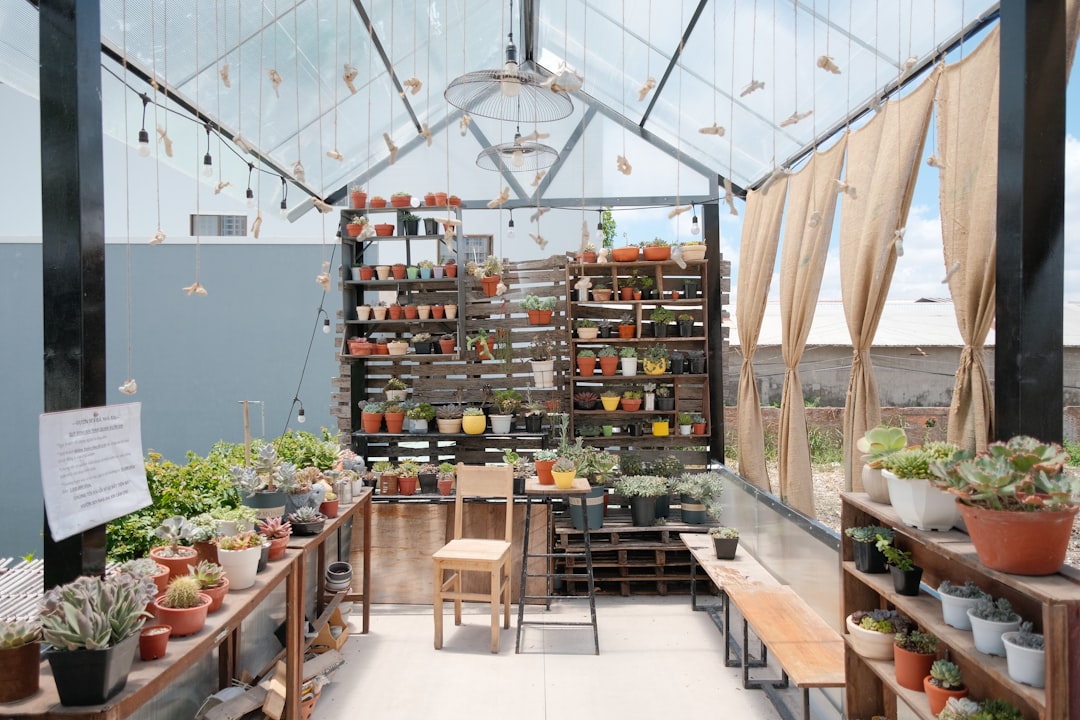
How to "how to create a sustainable indoor garden using recycled materials"
Setup & Materials
By Alex • November 12, 2025 • DIY Guide
Creating a sustainable indoor garden offers numerous benefits, from enhancing your living space with greenery to providing fresh herbs and vegetables for your meals. Moreover, using recycled materials makes this project eco-friendly and budget-conscious. Not everyone has the luxury of a sprawling outdoor garden, especially in urban settings, but with a little creativity and effort, you can cultivate your green oasis indoors.
This guide is designed for beginners, focusing on easy-to-find recycled materials to create planters, organize your plants, and nurture growth within your home. By repurposing items like bottles, jars, and cardboard, you’ll not only contribute positively to the environment but also bring a sense of satisfaction and pride in crafting your home with materials that might otherwise be discarded.
So roll up your sleeves and grab your tools! It’s time to dive into the world of sustainable gardening with a DIY approach.
Tools Needed
Scissors or utility knife
Drill or hammer and nails (for drainage holes)
Soil scooper or small hand trowel
Ruler or measuring tape
Paintbrush (if you’re painting planters)
Spray bottle (for watering)
Gloves (to protect your hands)
Labels (to identify different plants)
Materials
Plastic bottles (2-liter soda bottles, water bottles)
Glass jars (mason jars, old food jars)
Cardboard boxes (for seedling trays)
Egg cartons (for starting seeds)
Old wooden crates or pallets (for shelving)
Used coffee grounds (for compost)
Old newspapers (for potting material)
Natural string or twine (for support)
Potting soil (can be purchased or homemade)
Seeds or seedlings (herbs and vegetables)
Step-by-Step Instructions
Step 1: Plan Your Space
Before diving into creating planters, assess your living space for light availability. Choose a well-lit area, like a windowsill or a corner with indirect sunlight. If light is scarce, consider using grow lights.
Step 2: Collect Your Recycled Materials
Gather all your recycled items. Clean out the plastic bottles, jars, and any other materials you've collected. Ensure they are free of food residues and contaminants.
Step 3: Create Drainage Holes
Using a drill or hammer and nails, add drainage holes to the bottom of your planters. This step is crucial in preventing water logging which can harm your plants.
For plastic bottles: Cut the bottom off or poke holes using a heated nail.
For jars: If using jars, do not drill holes; instead, ensure the plants don’t require too much water when in jars.
Step 4: Prepare Soil Mix
Combine potting soil with used coffee grounds to boost nutrient content. If you want to go a step further, mix in pieces of old newspaper to retain moisture and help aerate the soil.
Step 5: Assemble Your Planters
Plastic bottles: Fill half with the soil mix. You can cut the bottle in half and use the top piece inverted as a mini greenhouse for sprouting seeds.
Jars: Fill jars with soil and leave some space for planting seeds or seedlings.
Cardboard boxes: Line the boxes with a plastic bag (to prevent leaks) then fill with the soil mix for planting.
Step 6: Plant Your Seeds or Seedlings
Plant seeds according to the instructions on the seed packet. If you're using seedlings, gently loosen them from their original packaging, and plant them at the right depth in your newly created pots.
Step 7: Water and Care
Using a spray bottle, gently mist your plants to provide moisture without risking overwatering. Ensure they receive adequate light and monitor their growth.
Step 8: Label Your Plants
Use small pieces of cardboard or old food packaging to create labels for your plants. This helps track progress and ensures you're caring for each species appropriately.
Step 9: Monitor Growth
Keep an eye on your indoor garden regularly. Check for pests, monitor growth rates, and ensure they are getting enough sunlight. Rotate the containers if necessary so that all sides receive equal light.
Step 10: Maintain and Harvest
As your plants grow, you may need to prune, repot, or refresh soil nutrients. When the time is right, harvest your produce, and enjoy the fruits of your labor!
Troubleshooting
Even sustainable indoor gardening can present some challenges. Here are a few common issues and how to address them:
Excessive moisture: If you notice mold or rot, make sure you're not overwatering. Check that drainage holes are clear and not blocked.
Low growth rates: If plants are not growing as expected, consider if they’re receiving enough light or nutrients. Perhaps add a homemade compost or additional natural fertilizers.
Pests: If you find pests, try using natural insecticides like diluted neem oil or simply removing them by hand. Keep your plants spaced out to improve air circulation.
Conclusion
Establishing a sustainable indoor garden using recycled materials is a fulfilling and environmental-friendly project. Not only do you enhance your living space, but you also engage in responsible waste management by repurposing items that would otherwise end up in landfills. As you tend to your indoor plants, you'll reap both the benefits of fresh produce and a profound sense of achievement. Ready to dig in? The world of indoor gardening is waiting for you!