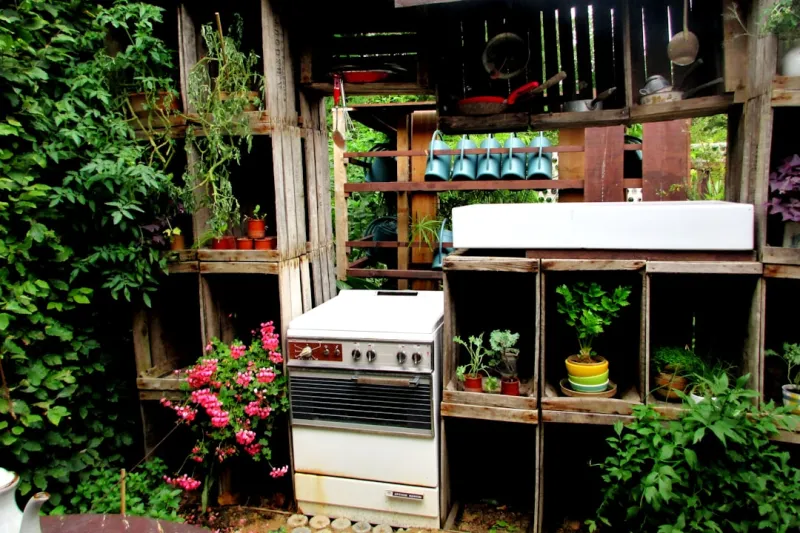
How to "how to create a sustainable home garden using recycled materials"
Setup & Materials
By Alex • November 12, 2025 • DIY Guide
Creating a sustainable home garden is not just an eco-friendly project; it's a way to reconnect with nature and provide for your family using minimal resources. By using recycled materials, you not only reduce waste but also give your garden a unique character. This guide will help you create a vibrant garden that thrives on sustainability, utilizing things that may otherwise end up in the landfill. Whether it's old containers for planting, palettes for building beds, or kitchen scraps for compost, the possibilities are endless. This project is perfect for beginners and can be adapted to any available space, whether it's a small balcony, a backyard, or even community spaces. Get ready to dig into the earth, plant some seeds, and embark on a journey toward a greener lifestyle. With just a little creativity and resourcefulness, you can cultivate your very own eco-friendly haven while fostering a sense of achievement and sustainability.
Tools Needed
Gardening gloves
Trowel
Pruners or scissors
Ruler or measuring tape
Garden fork
Watering can or hose
Bucket or wheelbarrow (for collecting materials)
Materials
Old containers (like buckets, bottles, or jars)
Cardboard boxes (for weed suppression and pathways)
Wooden pallets (for raised beds or vertical gardens)
Old tires (for planters)
Kitchen scraps (like vegetable peels for composting)
Plastic or glass bottles (for watering systems)
Eggshells (for calcium in the soil)
Newspaper (for mulch)
Soil (potting mix or compost)
Seeds or seedlings (of your choice)
Steps to Create Your Sustainable Home Garden
1. Plan Your Garden Space
Begin by selecting a suitable spot for your garden. Analyze available sunlight, drainage, and wind protection. Sketch out the layout, keeping in mind what plants you want to grow. This step is crucial as it guides you on where to place your recycled features.
2. Collect Recycled Materials
Spend a day or two gathering materials that you can repurpose for your garden. Collect old containers, wooden pallets, tires, and other usable items from your home or local community. Check with neighbors and local businesses that may be willing to donate materials.
3. Create a Compost Bin
Use an old bin or wooden pallets to build a compost bin. Start layering kitchen scraps like vegetable peels, coffee grounds, and eggshells, alternating with brown materials like dried leaves or shredded paper. Composting will enrich your soil and reduce waste.
4. Prepare the Soil
Clear the area of weeds and debris. If your garden beds will be raised, assemble them using wooden pallets or other structural elements. Fill the beds with a mix of soil and compost, ensuring good drainage and nutrients are present for plant health.
5. Design Your Planting Areas
Using old containers, tires, or vertical gardening systems made from pallets, designate planting areas. Ensure there’s adequate spacing according to the type of plants you choose. Vertical gardening can save space and is excellent for climbing plants like beans or tomatoes.
6. Plant the Seeds or Seedlings
Follow the instructions on seed packets for planting depth and spacing. For seedlings, carefully remove them from their containers, loosen the roots, and place them in the soil. Water them gently but thoroughly right after planting.
7. Create a Watering System
Use recycled bottles to create a simple self-watering system by cutting the bottom off and sinking them into the soil near plants, filling them with water. You can also poke holes in the lid of a bottle, bury it under the soil, and fill it to deliver slow moisture release.
8. Mulch Your Garden
Use shredded paper or cardboard as mulch to suppress weeds, retain moisture, and gradually add organic matter to the soil as it breaks down. Spread a layer of about 2-3 inches around your plants to keep them healthy.
9. Maintain Your Garden
Check your garden regularly for weeds and pests. Water the plants as needed and adjust your watering system if necessary. Regularly add compost to the soil to provide nutrients and maintain soil health.
10. Harvest and Share
Once your plants are ready, harvest them and enjoy the fruits of your labor! Share surplus produce with neighbors, friends, or local food banks. Remember that the cycle of sustainability continues here as you can compost any leftover food scraps.
Troubleshooting
Even the best garden plans may encounter hurdles. Here are a few common issues and their solutions:
Problem: Plants wilting or yellowing. This often indicates overwatering or underwatering. Check the moisture level of the soil before watering. Feel the soil; if it’s dry an inch down, it’s time to water. If it’s soggy, let the plants dry out and improve drainage.
Problem: Pests attacking your plants. A good practice is to introduce beneficial insects like ladybugs or to plant aromatic herbs (like basil or mint) alongside your vegetables, as they can deter pests naturally.
Problem: Weeds taking over. Regularly monitor your garden for weeds. Pull them out by hand before they set seed and spread. A good layer of mulch can help prevent weed growth.
Problem: Poor plant growth. If your plants aren’t thriving, check your soil’s nutrient levels. If you used heavy cardboard or untreated wood, it might be leaching beneficial elements. Refreshing the compost blend may help.
Conclusion
A sustainable home garden built with recycled materials can serve not only as a source of fresh produce but also as a reminder of sustainable practices and resourcefulness. By following these steps and engaging in proactive maintenance, you can enjoy a thriving green space that contributes positively to the environment. Every small step counts toward a larger movement of conscientious living, and your efforts can inspire others to join the cause. Happy gardening!