How to "how to create a sustainable home garden for beginners"
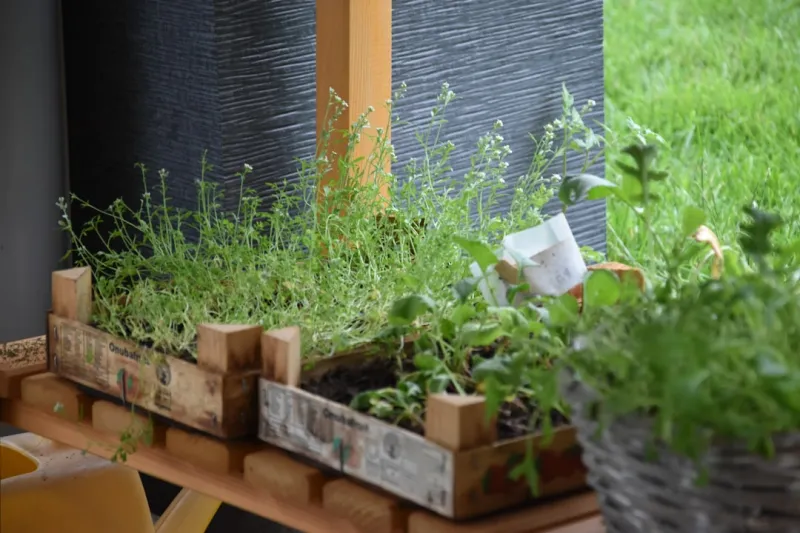
Creating a sustainable home garden is not only an enriching hobby; it’s also a great way to foster a deeper connection with nature and contribute positively to the environment. In recent years, more and more people have become aware of the benefits of sustainable gardening, from reducing carbon footprints to encouraging biodiversity. Starting your sustainable garden for the first time can seem daunting, but with the right tools, materials, and guidance, it can be an enjoyable and rewarding experience for beginners.
This guide will walk you through the essential steps required to create your own sustainable home garden. You will learn about the necessary tools and materials, step-by-step processes, and common challenges you may face along the way. Whether you have a small balcony, a backyard, or even just a few pots on a windowsill, this guide will help you get started on your journey toward green living.
---
Tools Needed
1. Garden Trowel: For planting, turning soil, and digging. 2. Watering Can or Hose: To efficiently water your plants. 3. Pruning Shears: For trimming and maintaining plant health. 4. Compost Bin: To turn kitchen scraps and yard waste into nutrient-rich compost. 5. Rake: For leveling soil and cleaning up debris. 6. Gloves: To protect your hands while gardening. 7. Spade: Ideal for turning soil and digging. 8. Soil Tester Kit: To check nutrient levels and soil pH.
Materials
1. Seeds or Seedlings: Choose native and heirloom varieties for biodiversity. 2. Organic Compost or Soil: To enrich your garden bed. 3. Mulch: Helps retain moisture and suppress weeds. 4. Natural Pest Control (e.g., neem oil): For managing pests sustainably. 5. Plant Labels: To keep track of different plants. 6. Raised Garden Bed Kits (optional): For better drainage and soil quality. 7. Organic Fertilizers (e.g., fish emulsion or bone meal): To enhance plant growth. 8. Rain Barrel: To collect rainwater for irrigation. 9. Cover Crops (e.g., clover): To improve soil health and prevent erosion. 10. Wood Chips or Straw (for mulching): To maintain moisture and improve soil quality.
---
Step 1: Choose a Suitable Location
Select a space with good sunlight, ideally at least 6-8 hours of sun each day. Consider proximity to a water source and accessibility for maintenance. If you have limited space, containers or vertical gardens can also be effective options.
Step 2: Assess Your Soil
Checking your soil is crucial. Use a soil tester kit to determine the pH and nutrient levels. Ideally, garden soil should have a pH between 6.0 and 7.0. Based on your test results, amend your soil with organic compost or other amendments as necessary.
Step 3: Plan Your Garden Layout
Create a blueprint of your garden. Consider plant height, growth habits, and compatibility. Group plants with similar watering needs, and consider companion planting techniques to promote healthy growth and pest control.
Step 4: Prepare the Soil
Clear the area of weeds, rocks, and debris. Turn the soil using your spade, adding organic compost to enrich it. The depth of your garden bed should be at least 12 inches to allow roots to establish. Mix the compost thoroughly with the existing soil to enhance nutrient availability.
Step 5: Plant Your Seeds or Seedlings
Follow the planting instructions specific to the seeds or seedlings you have chosen. Generally, seeds should be sown at a depth of about two to three times their size, and seedlings should be spaced according to their mature size. Label each plant for easier identification.
Step 6: Water Regularly
Initially, you may need to water daily. Once established, plants typically require watering 1-2 times per week, depending on rainfall and soil moisture. Use a watering can or hose to avoid over-saturating the soil. Consider installing a rain barrel to collect rainwater for sustainable watering.
Step 7: Mulch Your Garden
Apply a layer of mulch around your plants after they are established. Mulching helps retain moisture, suppress weeds, and improve soil quality as it breaks down. Organic options like straw, wood chips, or shredded leaves work well.
Step 8: Maintain Your Garden
Regular maintenance includes weeding, watering, and checking for pests. Prune plants as needed and use organic pest control methods when necessary. Periodically add compost to maintain soil nutrients and enhance plant growth.
Step 9: Harvest Your Produce
When your plants reach maturity, it’s time to harvest. Regular harvesting encourages more growth and keeps plants healthy. Always use clean, sharp tools like pruning shears to minimize damage to the plants.
Step 10: Compost Unused Garden Waste
As you harvest, collect any plant scraps such as leaves and stems to add to your compost bin. This not only reduces waste but also provides nutrient-rich compost for future planting. Make sure to also include kitchen scraps (vegetable peels, eggshells) to enrich your compost further.
---
Troubleshooting
Even with careful planning, you may encounter some issues in your gardening journey. Some common problems include:
- Pests: If you notice insects, use organic methods to handle them, like neem oil or insecticidal soap. Introduce beneficial insects like ladybugs that prey on aphids and other pests.