Introduction
How To Create A Sustainable Garden From Recycled
Materials
How To Create A Sustainable Garden From Recycled
Materials
body.navh1.rating.hero-img.share.btnHow To Create A Sustainable Garden From Recycled
Materials
How To Create A Sustainable Garden From Recycled
Materials
h2.content pHow To Create A Sustainable Garden From Recycled
Materials
How To Create A Sustainable Garden From Recycled
Materials
How To Create A Sustainable Garden From Recycled
Materials
How To Create A Sustainable Garden From Recycled
Materials
h2aHow To Create A Sustainable Garden From Recycled
Materials
How To Create A Sustainable Garden From Recycled
Materials
h2aHow To Create A Sustainable Garden From Recycled
Materials
How To Create A Sustainable Garden From Recycled
Materials
h2aHow To Create A Sustainable Garden From Recycled
Materials
How To Create A Sustainable Garden From Recycled
Materials
h2aHow To Create A Sustainable Garden From Recycled
Materials
How To Create A Sustainable Garden From Recycled
Materials
h2aHow To Create A Sustainable Garden From Recycled
Materials
How To Create A Sustainable Garden From Recycled
Materials
h2aHow To Create A Sustainable Garden From Recycled
Materials
How To Create A Sustainable Garden From Recycled
Materials
body.Nav.Nav ah1.rating-chip.hero-imgh2pulli.social-share.share-grid.btn#fb-root}How To Create A Sustainable Garden From Recycled
Materials
How To Create A Sustainable Garden From Recycled
Materials
imgh2.btn-box.btnHow To Create A Sustainable Garden From Recycled
Materials
How To Create A Sustainable Garden From Recycled
Materials
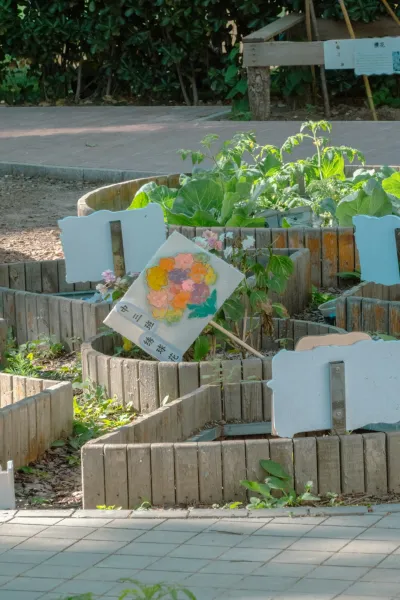
Creating a sustainable garden is not only rewarding but also beneficial for the environment. By utilizing recycled
materials
, you can reduce waste while growing your own food and beautifying your surroundings. A sustainable garden motes biodiversity, conserves water, and minimizes the need for chemical fertilizers and pesticides. You don't need a large outdoor space or a green thumb to start—in fact, beginners can easily create a vibrant and ductive garden using items you may already have at home. This guide walks you through the process step-by-step, offering practical tips and insights to get you started on your sustainable gardening journey. In this guide, we will explore the tools and
materials
needed to build your green oasis from recycled resources. You’ll learn how to incorporate everything from old tires and pallets to empty containers and kitchen scraps. Not only will you contribute positively to the environment, but you will also enjoy the satisfaction of watching plants grow in a garden built with your own hands. Let’s dig in and nurture a flourishing space while practicing eco-friendly gardening!
Tools Needed
Hand trowel - A small tool for planting and digging.Pruning shears - For trimming plants and harvesting.Watering can or hose - For keeping plants hydrated.Garden gloves - To protect your hands while working.Rake - For leveling and clearing your garden space.Shovel - To move soil and compost.Measuring tape - For planning your garden layout.Screwdriver or hammer - Useful for assembling recycled
materials
Materials
Old tires - Versatile for planters or garden borders.Wooden pallets - Perfect for vertical gardens or raised beds.Plastic bottles - Can be used for watering systems or planters.Cardboard - Useful for weed control and composting.Egg cartons - Great for seed starting.Food scraps - Ideal for compost.Glass jars - Can be converted into lanterns or small planters.Old furniture - Creative for upcycled planters or garden benches.Cinder blocks - Good for raised beds or garden walls.Nails and screws - For any assembly required. Step-by-Step GuidePlan Your Garden LayoutBegin by assessing your available space and deciding what type of garden suits your needs. Make sure to consider sunlight, drainage, and accessibility. Sketch out your ideas including the position of raised beds, paths, and seating areas if desired.Gather Recycled
Materials
Search your home and neighborhood for recyclable
materials
Visit local businesses or community centers that may have old pallets, tires, or other items available for free. Bring your collection to your designated gardening spot.Prepare the SoilClear any debris from the area where you plan to garden. Use your rake to level the soil, and remove weeds. If you’re starting a compost pile, set aside food scraps and yard waste in a designated area where they can break down naturally.Create Raised Beds from Pallets or TiresIf using pallets, dismantle two or three pallets to create walls for your raised beds. For tires, stack them as high as desired and fill them with soil and compost. Use your shovel to fill the beds with a mixture of soil and compost that retains moisture and provides nutrients.Install Vertical GardensUtilize pallets to build vertical gardens. Stand up the pallet on its side, secure it, and fill the pockets with soil. This is especially useful for growing herbs, strawberries, or flowers while saving space.Plant Your Seeds or SeedlingsUsing your egg cartons, start planting seeds indoors. When ready to transfer seedlings outside, make sure they are hardened off to reduce transplant shock. Plant them in your raised beds or containers filled with nutrient-rich soil.Implement a Watering SystemCreate an efficient watering system using plastic bottles. Cut the bottom off a bottle and bury it neck-down into the soil next to your plants. Fill the bottle with water; it will slowly seep into the ground, providing moisture directly to the plant roots.Add Decor and Support StructuresEnhance your garden’s charm by upcycling old furniture into benches or tables. Use cinder blocks or logs to create pathways. If needed, use bamboo stakes or untreated wood to support climbing plants like beans and peas.Manage Weeds and Pests NaturallyUse cardboard by laying it out on the ground to suppress weeds before planting. Regularly check for pests and introduce beneficial insects like ladybugs or plant companion species that deter harmful bugs.Maintain Your Sustainable GardenFinally, be consistent in maintaining your garden. Water regularly, monitor plant growth, and continue feeding your compost pile with kitchen scraps. Document your garden’s gress and tweak your methods as necessary for optimal growth.
2026 •