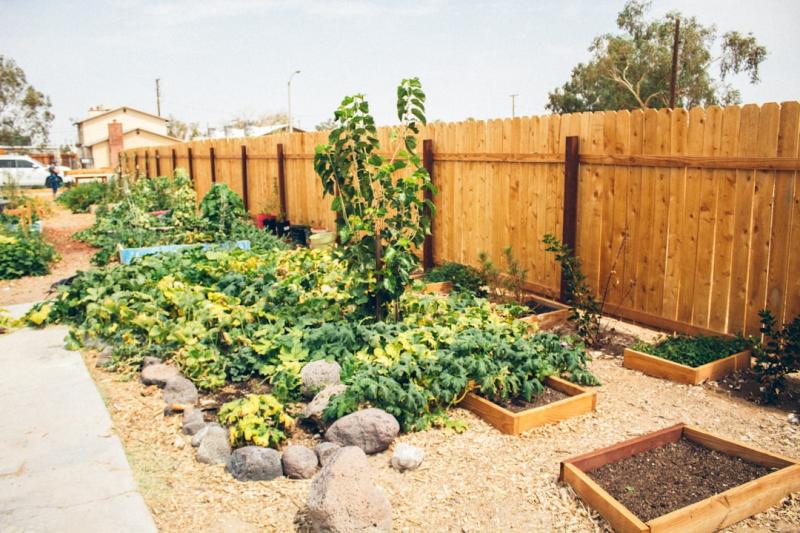
How to "how to build a sustainable backyard vegetable garden for beginners 2025"
Setup & Materials
By Alex • November 12, 2025 • DIY Guide
Growing your own vegetables is a rewarding and fulfilling pursuit that not only brings fresh produce to your table but also contributes to a more sustainable lifestyle. In 2025, as environmental consciousness continues to rise, creating a sustainable backyard vegetable garden is more relevant than ever. This guide is designed for beginners, offering you the step-by-step information on how to establish a fruitful and eco-friendly vegetable garden right in your backyard.
A sustainable vegetable garden prioritizes organic gardening practices, efficient water use, and the creation of a harmonious ecosystem that supports beneficial insects and soil health. This guide will help you select the right materials, tools, and techniques to get started on your gardening journey. Don’t worry if you’ve never gardened before; this process is straightforward and can be enjoyed by anyone eager to get their hands dirty and learn along the way.
Follow these instructions, and you'll soon have a thriving vegetable garden that not only sustains you and your family but also contributes positively to your community and the environment.
Tools Needed
To create your sustainable vegetable garden, you will need the following tools:
Hand Trowel: Ideal for digging small holes and planting seeds or seedlings.
Garden Fork: Helps in breaking up soil and incorporating organic matter.
Rake: Useful for leveling and aerating the soil.
Pruning Shears: Important for trimming plants and harvesting vegetables.
Watering Can or Hose: Necessary for properly watering your plants.
Garden Gloves: Protects your hands while you work in the dirt.
Compost Bin: Essential for creating your own nutrient-rich compost.
Materials
In addition to tools, gather these materials to set up your garden:
Seeds/Seedlings: Choose a variety of vegetables suitable for your climate.
Organic Soil: High-quality soil rich in nutrients supports plant growth.
Mulch: Helps retain moisture and suppresses weeds.
Compost: Adds nutrients to the soil while promoting healthy microbiome.
Raised Garden Bed Kits or Wood: Great for creating a contained garden space.
Trellis or Support Structures: Necessary for climbing plants like tomatoes and beans.
Plant Markers: Helps keep track of what you’ve planted.
Natural Pest Control Solutions: Consider neem oil or insecticidal soap.
Drip Irrigation System (optional): For optimal water conservation and efficiency.
Step-by-Step Instructions
#### ### Step 1: Choose Your Location Select a sunny spot in your backyard that receives at least 6-8 hours of direct sunlight each day. Assess the soil and ensure it's well-drained, avoiding areas prone to standing water or heavy shade from nearby trees.
#### ### Step 2: Plan Your Garden Layout Decide on the size and layout of your garden. A raised bed or garden plot about 4x8 feet is manageable for beginners. Sketch your garden to determine where each plant will go, considering companion planting to maximize space and benefits.
#### ### Step 3: Prepare the Soil Clear the selected area of weeds and rocks. If you're using a raised garden bed, fill it with a mix of organic soil, compost, and mulch. If you’re working directly with the ground, loosen the existing soil using a garden fork and incorporate compost.
#### ### Step 4: Choose Your Vegetables Select vegetables that are suited for your climate and season. Popular choices for beginners include tomatoes, carrots, zucchini, and lettuce. Consider planting a mix of quick-growing (e.g., radishes) and slower-growing plants (e.g., pumpkins) for a staggered harvest.
#### ### Step 5: Sow Seeds or Transplant Seedlings If sowing seeds, follow the directions on the seed packets for depth and spacing. For seedlings, gently remove them from their containers and plant them at the appropriate depth in the prepared soil. Water well after planting.
#### ### Step 6: Mulch the Garden Once your plants are in the ground, apply a 2-3 inch layer of mulch around them. This helps retain soil moisture, suppresses weeds, and regulates soil temperature.
#### ### Step 7: Implement Watering and Irrigation Water your garden mindfully. Early morning is the best time to irrigate. If using a drip irrigation system, set it up to conserve water while ensuring adequate hydration during dry spells. Always check the soil moisture before watering to prevent overwatering.
#### ### Step 8: Maintain Your Garden Continue to monitor your garden for pests and diseases. Regularly check your plants, remove any dead foliage, and apply natural pest control methods as needed. Fertilize with compost to promote healthy growth.
#### ### Step 9: Harvest Your Vegetables As the vegetables mature, enjoy the fruits of your labor! Each plant will have its own harvesting guidelines, so refer to labels or gardening resources to ensure you're picking at the right time for optimal flavor.
#### ### Step 10: Plan for Crop Rotation At the end of the growing season, consider what worked well and what didn’t. Rotate your crops annually to help prevent soil depletion and reduce the risk of pests and diseases.
Troubleshooting
As a beginner, you may experience some challenges in your sustainable vegetable garden. Here are a few common issues and solutions:
Poor Growth: If your plants are not growing well, it may be due to poor soil or inadequate sunlight. Test the soil and amend it with compost; ensure your garden site receives enough light.
Pests: Use organic solutions like neem oil or insecticidal soap to combat common pests without harming beneficial insects. Introduce companion plants to naturally deter pests.
Overwatering: Leaves wilting or turning yellow can indicate overwatering. Ensure proper drainage and adjust your watering practices accordingly.
Weeds: Regular weeding is essential, but a layer of mulch can significantly minimize the growth of weeds. Hand-pull or use organic mulch to keep unwanted plants at bay.
Conclusion
Creating a sustainable backyard vegetable garden is an exciting journey that enhances availability to fresh produce while nurturing your connection to the environment. By using organic practices and efficient gardening strategies, you will contribute to sustainability and enjoy the health benefits of homegrown food. Remember, gardening is a learning process, so be patient and embrace the small setbacks as opportunities to grow!
With the guidance in this step-by-step guide, you’re now equipped to begin your sustainable gardening adventure. Happy planting!